



Basic Maintenance Specifications for Forming Machines – Daily Checklist for Frontline Operators
Pre-Start Inspections
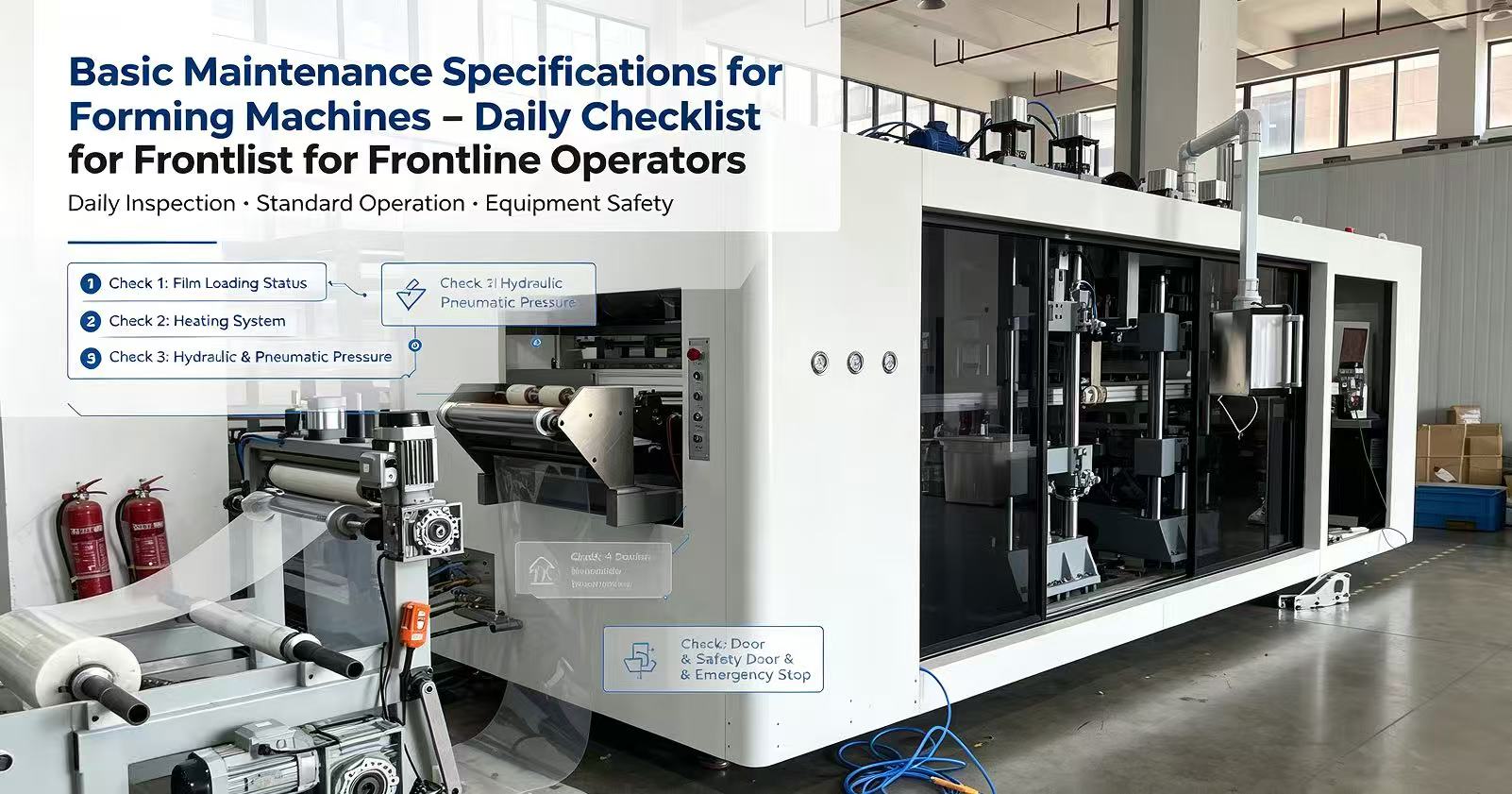
Proper everyday maintenance starts with careful preliminary inspections. Checking the machines for wear and tear will avoid properly working machines malfunctioning without any notice. The following lists what the operators should examine:
- Check for visible damage on machine surfaces and report any abnormalities.
- Ensure all safety guards are in place and secure.
- Verify hydraulic and lubricant levels, topping off if necessary.
Operational Checks
Once the inspections have been finished, operators need to perform a number of operational tests in order to confirm functioning. Below is a short outline:
- Start the machine and listen for unusual noises.
- Observe machine gauges and indicators for proper function.
- Test the emergency stop function to confirm its reliability.
End-of-day Maintenance
At the close of the operations, the most important element of the equipment maintenance is completing the shutdown process and cleaning the equipment. This involves the following actions:
- Power down the machine safely following manufacturer instructions.
- Clean the machine to remove dust and debris, ensuring all sensors are clear.
- Document any issues encountered during the day for maintenance follow-up.
FAQs
What inspections should be completed before starting the forming machine every day?
Operators need to monitor every part of the equipment for injuries, review the fluids in the machine and check that safety features of the equipment work.
Why is daily maintenance important for forming machines?
Performing maintenance on machines regularly helps to avoid unexpected equipment failures, guarantees safety, and prolongs the machines’ useful life.
Are there long-term benefits to regular equipment upkeep?
Indeed, regular maintenance not just increases efficiency in the short term but also decreases repair needs and replacement frequency over the years.
To conclude, it is vital to observe a daily maintenance routine so that Forming Machines can work effectively and last longer. Operators on the frontline must be diligent in making pre-operational and end-of-day checks in order to maintain production quality and safety. By following these recommendations, organizations can improve their operational processes significantly.