Leave Your Message
Vacuum Thermoforming is one of the most promising manufacturing processes for making any possible plastic part in the current picture of manufacturing. As per the MarketsandMarkets latest market report, the global vacuum thermoforming market is expected to grow significantly and reach a projected $3.6 billion by 2025, with a CAGR of 6.2% during the forecast period. The driving factors include the requirements of lightweight, pretty durable, and cost-effective plastic products, organized starvation across industries ranging from automotive and aerospace to consumer goods. For manufacturers looking for efficient production processes, Vacuum Thermoforming is a favorite for producing complex shapes with little waste.
For more than 15 years, Ruian Bocheng machinery co., Ltd. has been a spearhead in this innovation area by providing complete solutions to the plastic industry. Our company is located in Binhai Industry, Ruian city, Wenzhou, Zhejiang Province, China. We specialize in delivering vacuum thermoForming Machinery to meet different customer needs but with a guarantee of output quality. With forefront technology and strong adherence to quality, we enable manufacturers to take advantage of Vacuum Thermoforming for enhanced productivity and competitive power in the industry.
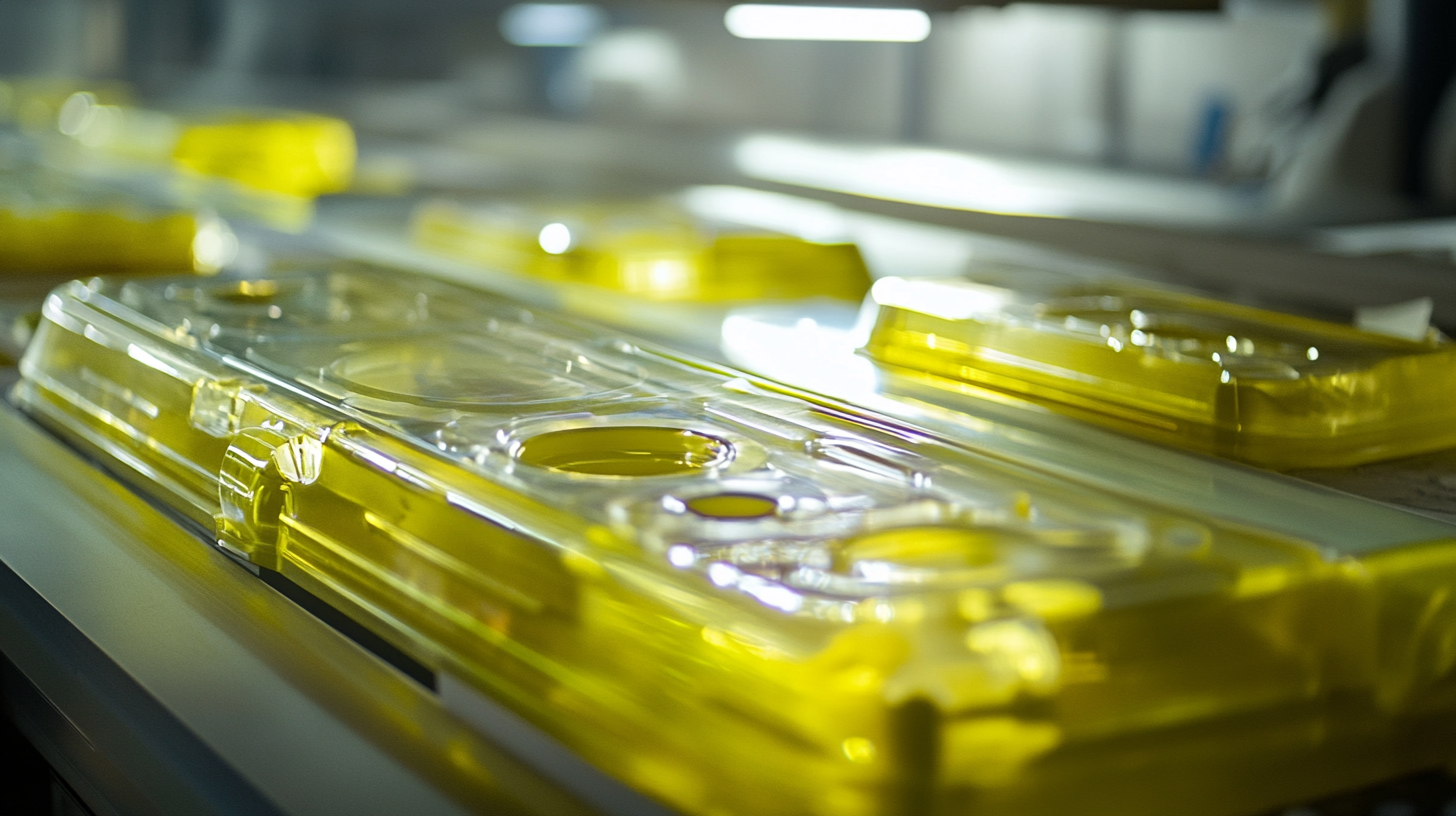
Vacuum thermoforming is an important process, attracting widespread interest in many industries, offers the flexibility and speed desired. The basic knowledge about this process is paramount to manufacturers for new product design and design modification. The process entails the heating of a thermoplastic sheet until it becomes compliant and subsequently formation into a mold by means of vacuum. This method presents a unique opportunity for large-scale production with cost benefits while maximizing fine detailing with customization of shapes. Some of the recent discussions at international forums centered around the further advancements in manufacturing processes, especially concerning advanced material composites and additive manufacturing. As has been exemplified by professionals in the area, now more than ever, modern manufacturing techniques, such as vacuum thermoforming, serve to vitalize the making of critical parts in aerospace and automotive applications. The example of aluminum hot forming available indicates how new techniques can give extra edge to product durability and performance, reminiscent of the capabilities vacuum thermoforming possesses. Furthermore, the push toward advances in materials fortifies the case for vacuum thermoforming to develop the targeted lightweight and effective materials, which are pivotal in improving fuel efficiency in aircraft and vehicle design. With increasing pressure on industries to become sustainable and effective in their manufacturing solutions, knowledge and maximization of vacuum thermoforming would strengthen competitiveness in evolving markets.

Vacuum thermoforming is turning out to be an imperative technology in modern manufacturing processes, providing several advantages in plastic part production. Among the core specifications of vacuum thermoforming machinery, important factors, such as heating systems, forming tools, and the vacuum system, represent key contributory factors in the overall efficiency and quality of any end products.
Heating systems used in vacuum thermoforming machines mostly utilize infrared heaters, which provide uniform heating and distribution that can be controlled. A study by the Society of Plastics Engineers describes how an increase in production rates may reach 30% with optimized heating parameters, thereby enhancing productivity. The choice of forming tools also plays a role, whether they are aluminum or steel, as they affect the costs of capital investments and the life span and thermal conductivity of the molds. Aluminum molds are estimated to cost 50% less than those made of steel, but with the understanding of the requirement for production for specific applications, this information is key for manufacturers.
In the forming stage, the vacuum system is important to control the pressure in maintaining forming accuracy and repeatability. The industrial standard states that at least 20 inches of mercury should be maintained as a vacuum level. A good vacuum system minimizes defects such as blisters and varying thicknesses, thus improving the functional and visual quality of the finished product. A report by the Plastics Industry Association noted that companies investing in advanced vacuum technologies could decrease their defect rate by 40%, significantly cutting costs in production and waste management.
To summarize, knowledge of the central specifications for vacuum thermoforming machinery allows manufacturers to make decisions that improve operational efficiency and product quality, which, in the long run, adds to competitiveness in the industry.

While vacuum thermoforming is one of the most popular processes for polymer component manufacture, it encompasses such a wide field that the choice of material affects the demands placed on the end product in terms of performance and application. The common materials used in vacuum thermoforming are polystyrene (PS), Polyethylene (PE), and Polyvinyl Chloride (PVC). To some extent, each of these materials possesses unique properties that suit them for varied applications. Demand for PS in thermoformed products has shown a steady annual increase, primarily fueled by the packaging and disposable sector, mainly in that such application has accounted for approximately 35% of the market in 2022, according to Smithers Pira.
Polyethylene, high-density polyethylene in particular, boasts extreme toughness and impact resistance, making it another common alternative. The plastic is fast gaining prominence in the automotive industry as well as the medical sector, where resistivity denotes durability. According to a market report by Technavio, the use of HDPE for thermoforming is expected to increase at a rate exceeding 7% per annum over the next few years, aided by the advanced manufacturing technologies rendering further improvements to its processing efficiency.
Likewise, PVC is extensively used owing to its benefits with both rigid and flexible applications; this involves construction and medical sectors. Grand View Research reported that the global PVC market is anticipated to amount to $87.8 billion by 2027, with packaging and medical devices using thermoforming guiding a massive chunk of that growth. Such ability to mold these materials into specific configurations without losing shape has been exerting evidence of the efficacy of vacuum thermoforming, thus qualifying it as an indispensable processing technique in today''s manufacturing.
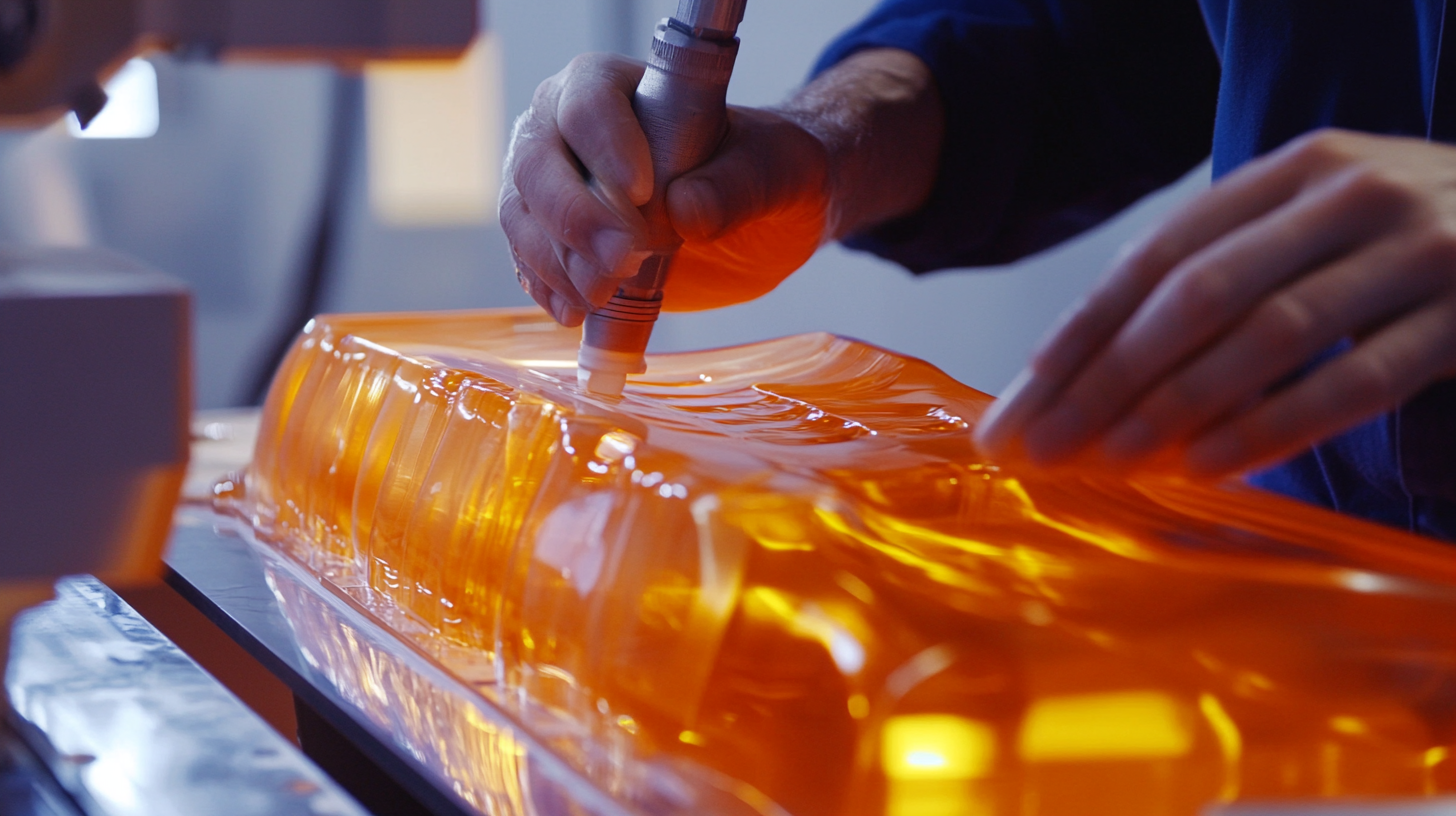
Vacuum thermoforming is changing the manufacturing landscape with distinct advantages over traditional methods. The most feasible feature is efficiency. Whereas traditional manufacturing techniques usually involve time-consuming and costly mold-making, especially low volume production runs, vacuum forming utilizes fewer resources for quick prototyping and shorten lead times. Such processes work fast to put products to market, thus capitalizing designs and products that startups and small businesses may want to experiment with without a substantial capital outlay.
Another big advantage is that the materials are pretty versatile. Vacuum thermoforming can successfully handle a variety of thermoplastics, from engineering-grade plastics to less-costly packaging films, which might not be so readily accommodated by the old-fashioned moulding techniques. This flexibility allows manufacturers to choose materials that suit the application best, while still imparting good durability and aesthetic qualities. Also, the process easily accommodates complex shapes and larger parts, making vacuum thermoforming ideally suited for use in the automotive, packaging, and consumer goods industries.
In addition, vacuum thermoforming also helps in sustainable manufacturing. The method results in lesser wastage as compared to its conventional process since the wastage material could in several cases be reused in the next run. Keeping in mind the present eco-conscious market, where firms are taking steps to mitigate their environmental footprint, this feature can prove useful. By utilizing the advantages of vacuum thermoforming, manufacturers are also improving their production capacities while adhering to sustainable practices, thus establishing a new industry standard.
Vacuum thermoforming is a kind of manufacturing processing related to making lightweight yet strong parts, and it's best known across the industry. In the packaging industry, it is mostly used to make clamshells along with other types of trays. Simply put, these products would hold the contents safe while in-transit and at the same time showcase them better on the shelves, which makes them a most preferable choice in food, electronics, or consumer goods packaging. In addition, design and material customization will assist the manufacturers to address specific market needs accordingly, equipping them with competitive advantages.
In terms of applications in the automotive industry, vacuum thermoforming offers fantastic new solutions for the external and internal components. These components may vary from dashboard panels to the lightest body parts, thereby significantly saving on the weight of cars, which contributes to fuel efficiency. Additionally, the process can produce very complex shapes and more intricate designs in pieces and components, thus allowing the aesthetic and functional requirements to be satisfied at once by a manufacturer. Also, the thermoformed components will be more durable, being strong enough to work in different environments, which makes them quite appealing for a new generation of automobile production.
The medical section has also gotten into vacuum thermoforming by making special types of bowls and cases for packaging medical devices. The fit is such that movement during transport is reduced significantly, which is important in ensuring that sensitive equipment remains intact. This process also uses biocompatible materials so that strict safety standards are maintained, thus making vacuum thermoforming an essential technique for medical supply and equipment fabrication. Adaptability across a broad spectrum of applications is what highlights the vacuum thermoforming potential for modern manufacturing practice.
The measures control the quality of final products in vacuum thermoforming so that they conform to industry requirements and customers' expectations. Vacuum thermoforming is a process in which heat is used to bend plastic sheets into the required shape or form. While such a process has its definition, it requires an exact measure of certain parameters throughout the entire process of manufacturing. Industry reports award an improper temperature control as a cause of common defects - found mostly in products-notably warping or lack of rigidity-affecting either the working features or the durability of a product. Thermoforming does not need inefficient heating of materials during the study or control approach; hence, it is quite an important observation-such as those brought about by the Plastic Industry Association-which emphasizes-the fact that as the correct temperature and pressure settings are maintained during production, material properties enhance to levels around 30% of the initial norms.
Quality effects beyond that of temperature are in close inspection throughout the production cycle. They introduce visual inspections and automated scanning systems to avoid or minimize wastes associated with defected products: Quality-inspected products delivered into the market break the evidence that organizations adopting very strict guidelines on quality control could reduce their defects by almost 50%, saving a lot in the costs of reworks and returns. Then, real-time monitoring of the thermoforming process would be for immediate adjustments for overall improvements in product quality; this is further evidence as modern applications like AI and machine learning come into the scene in incorporating high technology into the field of manufacturing.
They report quality processes as helping optimize the material use by manufacturers and show some facilities improving their control practices by up to 20% less waste. This adds to sustainability goals and grows into a demand for green manufacturing practices. Quality control processes develop into total importance in vacuum thermoforming manufacturing applications, not only regarding product integrity but even environmental responsibility.
Vacuum thermoforming management is gaining popularity in terms of sustainable manufacturing operations. Coupled with the deployment of thermoplastic materials, the procedure facilitates an efficient and friendly way of production otherwise than conventional ways, which, in most cases, lead to a massive quantity of waste and energy consumption. Vacuum thermoforming works its magic even with a lower resource footprint. It includes heating up a plastic sheet into a pliability condition, then forming it over a mold into which vacuum pressure is applied; scraps are often minimized and recycled, making it a more environmentally friendly choice.
The environmental impact of vacuum thermoforming is further optimized by the materials incorporated therein. Approved by some qualified implementing agencies, many manufacturers are now going for the use of biodegradable and recyclable plastics as these help further to minimize harm to the planet. With increasing awareness about environmental issues, more manufacturers consider the source of their primary raw materials through sustainable means. By selecting such environmentally friendly options, the lifecycle of the product may be improved rather than disposed of in waste, thus encouraging a circular economy. Besides, the energy saving vacuum thermoforming itself—typically much less energy than other techniques like injection molding—adds to the heritage of the entire sustainability initiative.
This has also been proven in the vastly different applications vacuum thermoforming has been applied to, from packaging to automotive parts. Herein lies the flexibility of a process that could reinforce the need for manufacturing practices to become more and more sustainable. With increasing consumer demand for responsible production methods, vacuum thermoforming enables manufacture such that it increasingly becomes relevant to an evolving commitment to the protection of the environment. This then is efficiency and ecological consciousness that places vacuum thermoforming in an avant-garde choice in manufacturing today.
The evolution of technology is set to truly change the vacuum thermoforming industry. Automation and robotics would be one of the major trends to affect the industry. As a result of such a major transformation, manufacturers have been able to increase the efficiency of their production processes due to a decreased incidence of human error. Automated tasks such as material handling and machine operation allow companies to operate at heightened levels of throughput. This is particularly important in being able to meet the growing demand for custom thermoformed products across different industries.
With this new trend comes the use of advanced materials that offer better performances and sustainability. Innovations in polymers have created other eco-positive materials that not only reduce adverse environmental impact but also enhance the properties of the final product. Biodegradable alternatives and recyclable materials are finding more acceptance in keeping with global sustainability moves. These advancements allow manufacturers to address years of environmentally conscious consumers while delivering products with integrity and practicality.
Moreover, with digitalization, there are increased applications of simulation software at the design phase of vacuum thermoforming. This helps enable manufacturers to visualize and optimize designs before going into production, greatly minimizing material wastes and lead times. By complementing digital tools with data analytics, the decision-making becomes more tailored towards accurate configurations to cater to demanding specific customer needs with minimal operating costs.
As these trends continue to mold the future of vacuum thermoforming, those companies that invest in innovations and automation will stand a better chance of doing well in the highly competitive market.
The core specifications include heating systems, forming tools, and the vacuum system, which are essential for determining the efficiency and quality of the final products.
Infrared heaters provide consistent heat distribution, and optimizing heating parameters can increase production rates by up to 30%, enhancing overall productivity.
Common materials for forming tools are aluminum and steel. Aluminum molds are cheaper (up to 50% less cost) but have a shorter lifespan than steel molds, which affects initial investment and longevity.
Industry standards recommend maintaining a vacuum level of at least 20 inches of mercury during the forming process to ensure accurate results.
Implementing stringent quality control measures can reduce defect rates by up to 50% and significantly save costs associated with rework and returns.
Adherence to established temperature and pressure settings can enhance material properties by up to 30%, helping to prevent defects like warping or insufficient rigidity.
Automation and robotics streamline production processes, enhance efficiency, and reduce human error, allowing manufacturers to meet increasing demand for custom products.
The industry is seeing the adoption of eco-friendly materials like biodegradable options and recyclable plastics, which align with sustainability efforts and enhance product performance.
The use of simulation software allows manufacturers to visualize and optimize designs before production, reducing material waste and lead times while enhancing decision-making.
Quality control measures help manufacturers optimize material usage, leading to waste reduction of up to 20%, which supports sustainability goals and eco-friendly practices in manufacturing.