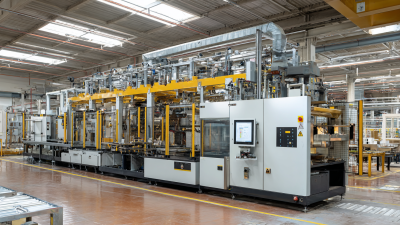
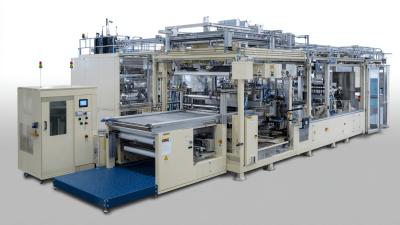
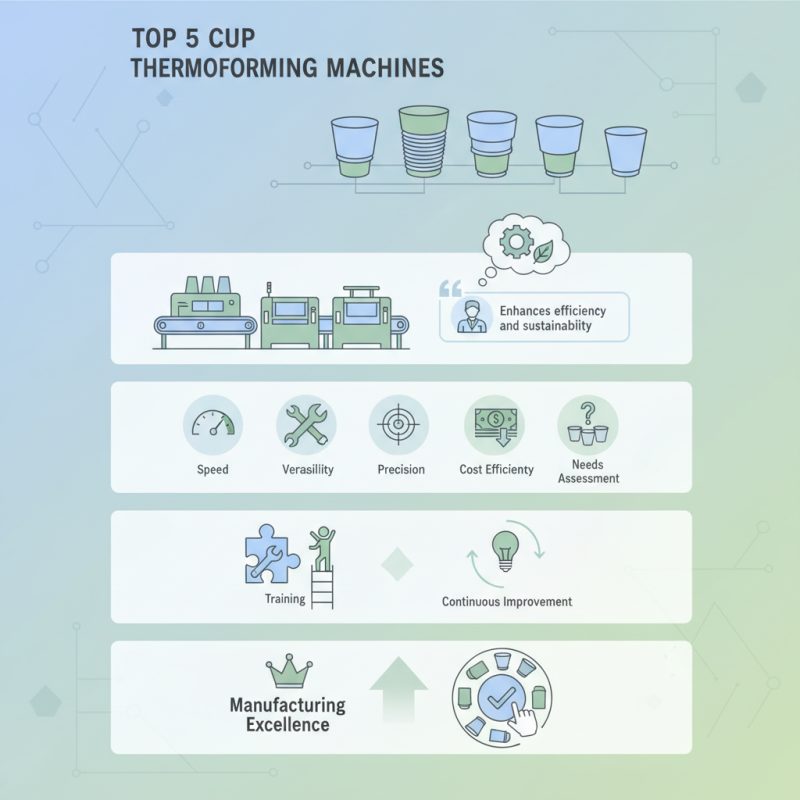
In today's fast-changing world of packaging, the Cup ThermoForming Machine really stands out as a game-changer. I caught up with industry expert John Smith from PackTech Innovations, and he pointed out something pretty interesting: "A well-designed Cup Thermoforming Machine boosts both efficiency and sustainability." It really hits home because, let's be honest, companies are trying hard to get the perfect balance between getting things done quickly and doing right by the environment.
When it comes to choosing the right machine, manufacturers have quite the array of options to sift through. Some machines are super fast, others are more versatile, and each one comes with its own set of features. But here’s the thing— not all equipment performs like clockwork. Some might lack the precision needed, which can waste materials and rack up costs. So, it’s really important to do your homework and carefully evaluate each model before pulling the trigger. Knowing exactly what your needs are can make all the difference.
Of course, even with all this fancy tech, it's not all smooth sailing. Many manufacturers bump into issues when trying to integrate new machines into their current setup. And let’s not forget, training staff on how to operate these new tools can sometimes feel overwhelming. It’s worth taking a step back and thinking about these challenges, because addressing them is key for continuous improvement. Picking the right Cup Thermoforming Machine isn’t just a simple purchase—it's a move that can really help steer your manufacturing process toward excellence.
Key Features to Consider in Cup Thermoforming Machines
When choosing a cup thermoforming machine, various features must be considered. The material compatibility is crucial. Some machines work better with specific plastics, while others offer versatility. Ensure the machine can handle the materials you plan to use. Consistency in temperature control is another vital aspect. A machine that fails in this area may produce cups with varying thicknesses.
Speed and efficiency can make or break production timelines. Look for machines that balance speed with precision. Automation features, such as automatic unloading and trimming, can save time and labor costs. However, not all automated systems guarantee the same level of quality. Regular maintenance is essential to avoid breakdowns, which often occur unexpectedly.
Investing in a model that allows for easy adjustments is wise. This flexibility can help optimize production runs for different cup designs. However, be mindful of the learning curve involved. Training staff efficiently is necessary to maximize the machine's potential. Selecting a cup thermoforming machine involves countless considerations, and each plant's needs will vary. Different priorities will shape the ideal choice.
Types of Materials Used in Cup Thermoforming Processes
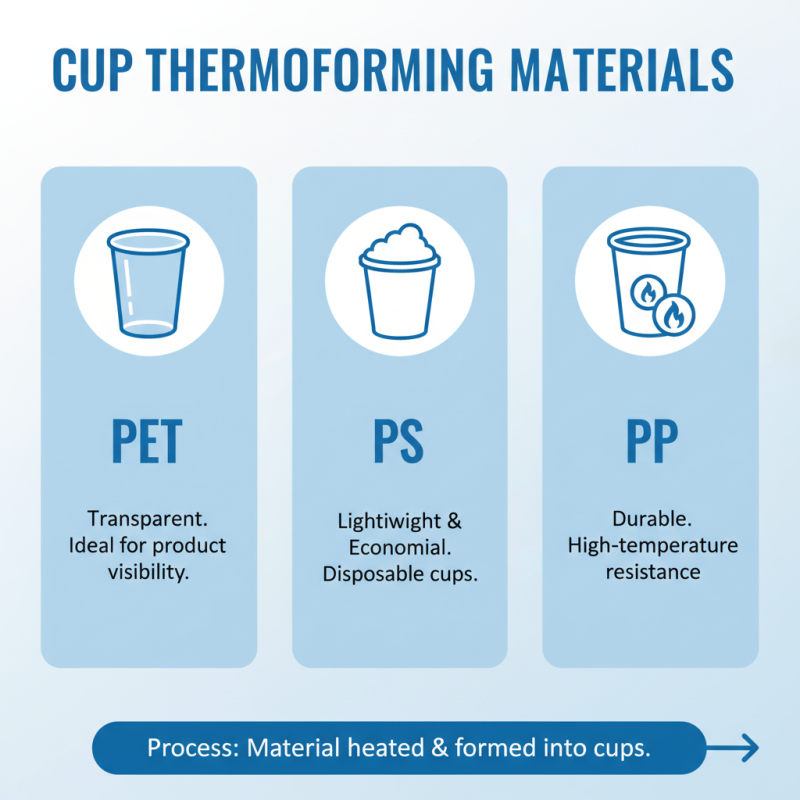
The cup thermoforming process relies on a variety of materials. Common choices include PET, PS, and PP. Each material has unique properties that influence usability. PET is transparent, making it ideal for products that need visibility. PS is lightweight and economical, often used for disposable cups. PP, known for its durability, can withstand higher temperatures.
Not all materials are created equal. Some may warp under heat. Others might not hold liquid well. Choosing the right material is crucial. It affects the final product’s performance. While PET provides clear visibility, it can be more costly. In contrast, PS is cheaper but may not be suitable for hot beverages.
Experimentation plays a key role in material selection. A mismatch can lead to disappointing results. It's important to test prototypes regularly. This process reveals how materials behave during thermoforming. Insights gained can significantly improve product quality. Adjustments can turn a mediocre design into a standout product. Finding the perfect fit takes time and effort, but the rewards can be substantial.
Top Manufacturers of Cup Thermoforming Machines in the Industry
When exploring cup thermoforming machines, it’s essential to know which manufacturers stand out in the industry. These companies focus on innovation, efficiency, and quality control. They design machines that cater to diverse production needs. From small-scale operations to large manufacturing facilities, each company has unique offerings.
Many manufacturers prioritize user-friendly technology. They emphasize automation to streamline the production process. Their machines often feature intuitive interfaces, reducing the learning curve for operators. However, not every machine fits every operation perfectly. Some users struggle with maintenance due to complex design elements. This creates a gap in seamless production flow.
The material used in these machines also varies. Some utilize more sustainable options, while others rely on traditional materials. It's crucial to weigh the benefits and limitations of each choice. In a fast-evolving market, staying informed is vital. Manufacturers must address these challenges proactively to enhance user experience and machine durability.
Innovations and Technological Advancements in Thermoforming
In recent years, the world of thermoforming has witnessed remarkable innovations. These advancements have streamlined processes and improved efficiency. According to industry reports, the global thermoforming market is expected to exceed $14 billion by 2025. This surge is driven by the demand for sustainable packaging solutions and lightweight materials.
One cutting-edge innovation involves the introduction of advanced sensors in thermoforming machines. These sensors optimize temperature and pressure, ensuring consistency in production. This technology reduces material waste and enhances quality control. As a result, manufacturers can maximize output while minimizing costs.
Tip: Regular maintenance of thermoforming machines can prevent potential downtimes. Schedule checks every six months to ensure optimal performance.
Another notable trend is the integration of robotics into the thermoforming process. Robots handle tasks like unloading and stacking, which improves productivity. This automation leads to fewer errors, but it can also raise questions about job displacement. Balancing workforce needs with technological advancements is crucial for future growth.
Tip: Training staff on new technologies is essential. Encourage workshops to help employees adapt.
Emerging materials like bioplastics are also transforming the industry. These eco-friendly alternatives challenge traditional plastic use, offering sustainability. However, the scalability of these materials remains a concern. Adopting new materials requires careful consideration of their properties and compatibility with existing processes.
Top 5 Cup Thermoforming Machines - Innovations and Technological Advancements in Thermoforming
Comparison of Production Efficiency Among Popular Models
When choosing a cup thermoforming machine, production efficiency is key. Different models have unique capabilities, making comparisons essential. Some machines can produce high volumes quickly, while others excel in precision. Efficiency often reflects in cycle times that can vary significantly. Operators need to assess how quickly each machine can turn raw materials into finished products.
Another aspect to consider is energy consumption. Some machines may boast higher efficiency rates but could consume more power. This discrepancy can affect long-term operational costs. Additionally, maintenance frequency is crucial. Frequent maintenance can lead to downtime, impacting overall productivity. It's vital to balance speed, power use, and upkeep for optimal performance.
Investing in a machine that fits specific production needs can be challenging. The right choice might not always be the fastest option. Some machines may perform well in one aspect but lack in another. Understanding these trade-offs is essential to avoid future regrets. It’s important to reflect on organizational needs and make a well-informed decision.
Maintenance Tips for Optimal Performance of Thermoforming Machines
Thermoforming machines are essential in multiple industries, producing cups used for various purposes. Regular maintenance is crucial for ensuring optimal performance. According to industry reports, poorly maintained machines can lead to a 20% decrease in efficiency, highlighting the need for proactive upkeep.
One critical tip is to conduct daily visual inspections. Look for wear and tear on vital components. This step takes just a few minutes but can prevent larger issues. Keep records of these inspections. This practice helps track patterns that emerge over time. Additionally, ensure that your machine's heating elements are functioning properly. Inefficient heating creates inconsistent product quality, which can result in waste.
Lubrication is another area that often gets overlooked. Use appropriate lubricants on moving parts to reduce friction. This will enhance performance and extend the machine's lifespan. Interestingly, research indicates that regular lubrication can improve efficiency by up to 15%. Always follow the manufacturer's guidelines for lubrication intervals, and don't rush this task.
Effective cleaning routines are imperative. Dirty machines can lead to contamination in the final products. Establishing a cleaning schedule can mitigate this risk. Cleaning shouldn't just be about appearances. Pay attention to areas that are often ignored, such as beneath the molds.
Applications of Cup Thermoformed Products in Different Industries
Cup thermoformed products are widely used across various industries. In the food and beverage sector, these cups serve as convenient packaging for items like yogurt, dessert, and drinks. The lightweight design and durability make them ideal for transportation. However, their production can generate plastic waste, raising sustainability concerns.
In the healthcare industry, thermoformed cups hold pharmaceuticals or medical samples. They provide a sterile packaging solution, ensuring product integrity. Yet, the reliance on single-use Plastic Can be seen as a flaw. Companies are encouraged to explore eco-friendly alternatives while maintaining quality.
The packaging industry also benefits from these thermoformed cups. They offer cost-effective solutions for retail items. Nonetheless, many businesses struggle with uniformity in production and waste management. Addressing these challenges is crucial for progress.
FAQS
: Natural ingredients can be gentler on the skin. They often have fewer side effects too.
Look for products that suit your skin type. Check ingredient lists carefully for allergens.
Not necessarily. Some natural ingredients may still cause irritation. Always do a patch test first.
Stop using the product immediately. Clean the affected area gently. Consult a dermatologist for advice.
Results can vary. Some people see changes in weeks, while others may take months. Patience is key.
DIY recipes can be safe, but there are risks. Ensure you understand each ingredient's effects before use.
A consistent routine can improve your skin's health over time. Consistency often yields better results.
Yes, skin can react differently to weather. Adjusting your products can help maintain balance and hydration.
UV rays can still affect your skin in winter. Using SPF year-round helps protect against damage.
Absolutely. A balanced diet rich in nutrients can improve skin health. Consider reducing sugar and processed foods.
Conclusion
The article "Top 5 Cup Thermoforming Machines You Need to Know" provides an in-depth overview of essential factors to consider when selecting a Cup Thermoforming Machine. Key features, such as production speed, energy efficiency, and ease of use, play a crucial role in the decision-making process. The article also explores the various materials typically employed in cup thermoforming processes, highlighting their advantages and suitability for different applications.
Furthermore, readers will find insights into the top manufacturers leading the industry, as well as recent innovations and technological advancements that enhance the performance of these machines. A comparative analysis of production efficiency among popular models helps potential buyers make informed choices. Lastly, maintenance tips are provided to ensure optimal performance and longevity of the Cup Thermoforming Machines, along with an exploration of the diverse applications of thermoformed products across multiple industries.