Leave Your Message
Hey there! In the fast-changing world of plastic manufacturing, it’s super important for manufacturers to grasp the different certifications needed for ThermoForming Machines, especially if they're looking to expand their presence worldwide. One company that really stands out is Ruian Bocheng Machinery Co., Ltd. They've been leading the charge in providing solid solutions for the plastic industry for over 15 years now! Based in the bustling Binhai Industry zone in Ruian city, Wenzhou, Zhejiang Province, China, they’re all about delivering top-notch products and services. Not only do they meet their clients' needs, but they also keep things in line with international standards and certifications. In this blog, we’ll break down everything you need to know about the essential export certifications for Thermoforming Machines. These aren’t just formalities—they really help boost your competitiveness in the global market. So, buckle up! Let’s dive into the nitty-gritty of these certifications and see why they’re so crucial for successfully exporting Thermoforming Machines.

So, when we talk about exporting thermoforming machines, getting a grip on the right certifications is super important for manufacturers. These certifications are like a golden ticket – they make sure the machines are safe and up to snuff with international standards, which really helps when trying to break into new markets. For manufacturers, knowing these key certifications isn't just about jumping through regulatory hoops; it’s actually a chance to get ahead in the global game.
Now, one of the big ones you definitely don’t want to overlook is the CE mark, especially if you're looking at Europe. That little badge shows that your product meets all those EU safety and environmental standards. Then there’s the UL certification, which is essential if you want to get your foot in the door in North America. It basically ensures that the machines are safe and ticking all the right boxes in terms of performance. Plus, keep an eye on ISO standards – ISO 9001 in particular. It's all about showing that your quality management system is on point and building trust with customers around the world.
I know, navigating these export certifications can feel like trying to solve a puzzle sometimes! But teaming up with compliance experts can really help ease the process. Manufacturers should definitely spend some time digging into what each certification requires and the steps involved – it can save a ton of headaches later on. By staying in the loop and being proactive about these certifications, manufacturers can boost their credibility and widen their reach in the global thermoforming scene. It’s a win-win!
This chart illustrates the different types of export certifications essential for manufacturers of thermoforming machines. Understanding these certifications can help manufacturers navigate international regulations and enhance their market reach.
So, when manufacturers dive into thermoforming, getting a handle on compliance standards is super important for keeping their equipment up to snuff. Not only does sticking to these standards boost the safety and reliability of their products, but it also helps them tick off the regulatory boxes in different markets. You’ve got to pay attention to big certifications like ISO 9001, which is all about quality management systems, and that CE marking if you want to sell products in Europe. These ensure that thermoforming machines don’t just operate well but also meet tough safety benchmarks.
And let’s not forget, manufacturers should really stay in the loop with regional regulations, like those ASTM standards in the U.S. These provide essential guidelines regarding materials and processes for thermoforming. Knowing this stuff isn't just helpful, it’s crucial for making your machinery run smoothly and keeping you out of legal hot water. Plus, by sticking to compliance standards, manufacturers can really boost consumer trust while cutting down on risks related to faulty equipment. It’s a win-win, really!
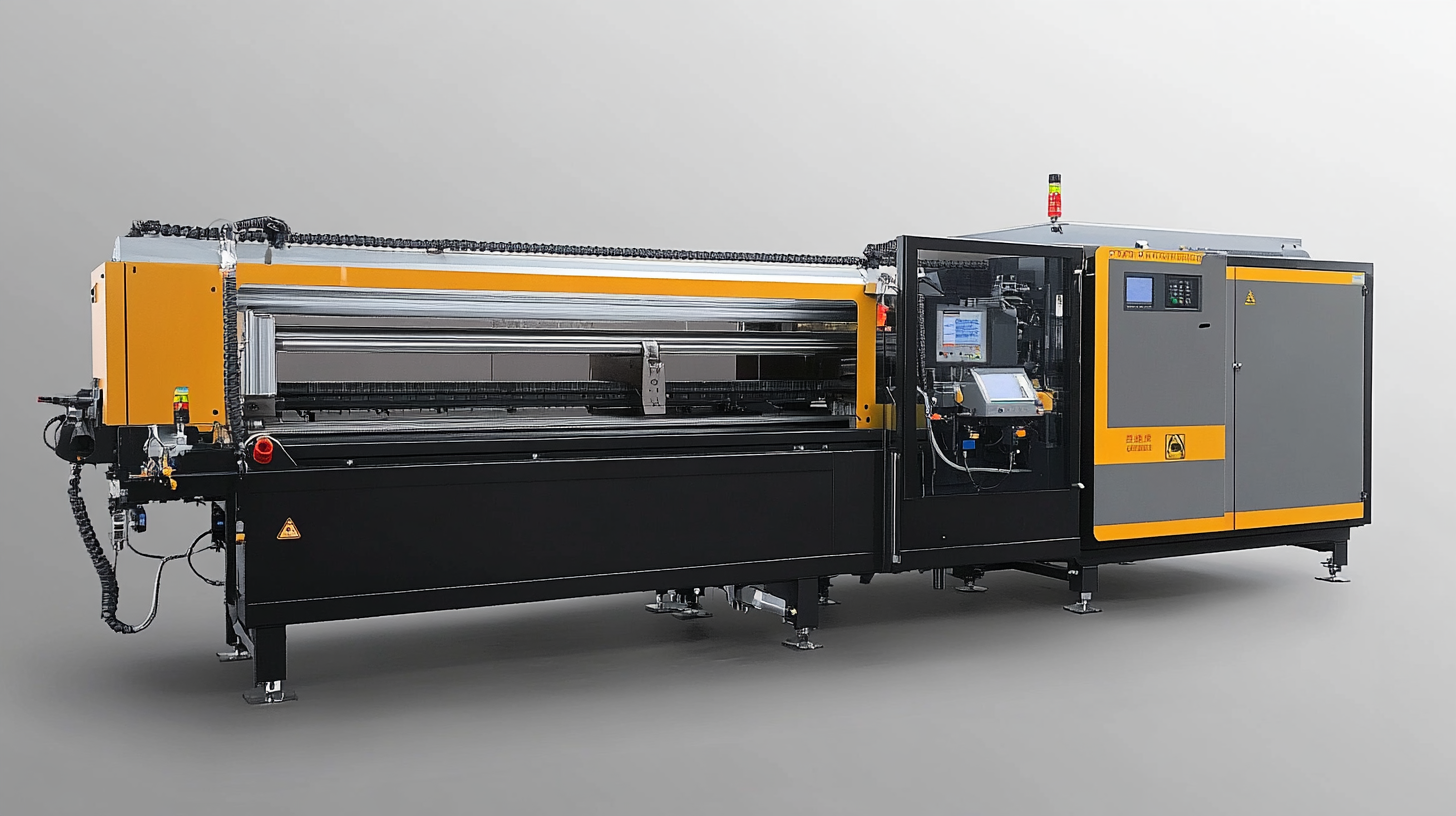
You know, the whole thermoforming machine export market is really shaped by a bunch of international regulations that make sure everything's safe, up to standard, and eco-friendly. For manufacturers trying to make a name for themselves on the global stage, it's like they’re playing a game of cat and mouse with all these certifications they need to get from regulatory bodies. Take the European Union, for instance – their CE marking requirement is a big deal. It basically says, 'Hey, your products meet the environmental, health, and safety requirements' – super important for anyone wanting to break into the European market.
According to a recent report by Smithers Pira, the global thermoforming market is expected to hit a whopping $16 billion by 2025, which is a solid 5.5% growth rate each year. That kind of growth? It opens up a ton of doors! But here’s the kicker: manufacturers really have to stay on top of all these certifications, like ISO 9001 for quality management and ISO 14001 for keeping things green. Over in the Asia-Pacific region, things are changing too, with countries like China tightening up their export standards. So, getting a handle on these regulations isn’t just about following the rules – it’s also about staying ahead in a market that’s getting more and more regulated.

Let’s be real—figuring out the certification process for thermoforming machines can feel like climbing a mountain for manufacturers. But trust me, it’s super important for keeping up with international standards. So, where to start? You really need to get a handle on the specific certifications you’ll need for the markets you want to break into. For example, there's the CE marking if you're eyeing Europe, UL certification for the U.S., and then you've got a whole bunch of ISO standards to think about too. Each of these has its own set of requirements that you'll need to meet, like making sure your machines are safe, energy-efficient, and environmentally friendly.
Once you pinpoint which certifications are right for you, it's time to roll up your sleeves and dive into the paperwork. This usually means gathering up technical specs, design drawings, and proof that you’re obeying safety rules. Don’t wait too long to connect with the certification bodies either—they can provide some really useful insights about what kind of testing you’ll face and what documentation you’ll need to nail your application.
Oh, and here’s a tip: chat with other manufacturers who have already gone through the certification wringer. They can offer some golden nuggets of wisdom that could help you along the way. By taking these proactive steps and keeping the lines of communication open, you’ll be in a much better position to tackle the complexities of certification and get your thermoforming machines out there on the global market.
Obtaining export certifications for thermoforming machines presents several challenges for manufacturers, especially in a dynamically evolving market. As the thermoforming machines market in China is projected to expand at a CAGR of 3.8%, reaching approximately $1.3 billion by 2035, manufacturers must navigate the complexities of compliance with international certification standards to access these lucrative markets. Increasing demand for plastic and rubber processing is driving this growth, underscoring the need for manufacturers to ensure their machines meet rigorous export certification requirements.
In Taiwan, where rubber and Plastic Machinery exports valued at $631.7 million experienced a decline in the first half of this year, adapting to emerging market demands becomes even more critical. Manufacturers must address the specifics of export certifications that vary by region, whether it’s ensuring product safety, environmental compliance, or energy efficiency. With the Asia-Pacific thermoforming machine market seeing a remarkable increase of 129% in 2024, the momentum presents both opportunities and obstacles for companies aiming to secure a foothold in diverse markets while adhering to the necessary certification protocols.
Furthermore, as markets like Australia show steady growth with a CAGR of +4.2% from 2024 to 2035, the ability to overcome certification challenges will directly impact competitive advantage. To thrive, manufacturers must invest in understanding local regulations, implementing robust quality assurance processes, and possibly engaging with certification bodies early in the production process to facilitate smoother market entry.
You know, as global markets keep shifting, the folks who make thermoforming machines really have to stay on their toes with all these changing export regulations. It's interesting to see how much these rules are shaped by new trends, especially in product packaging for the food industry. There's a big push for packaging that's not just effective but also sustainable, and that’s making manufacturers rethink how they operate if they want to stay in the game. Take fish packaging, for example—recent tech innovations in that area show just how much customer expectations are evolving alongside the need to meet new environmental standards.
Looking ahead, it seems like these manufacturers might need to team up more closely with regulatory bodies to make sure their products tick all the boxes for the latest certifications. As we keep hearing about sustainability, regulations are likely to focus on requiring more eco-friendly materials. This change isn’t just about tweaking product designs; it also pushes manufacturers to invest more in R&D and think outside the box to meet both what the market wants and what the regulations demand. Really, if they want to succeed in the global thermoforming machine scene, keeping ahead of these shifts is going to be super important.
| Certification | Description | Impact on Exports | Future Trends |
|---|---|---|---|
| CE Marking | Indicates conformity to health, safety, and environmental protection standards for products sold within the European Economic Area. | Essential for exporting to European markets, ensuring products meet EU regulations. | Increased scrutiny on materials and processes may lead to stricter compliance requirements. |
| ISO 9001 | Focuses on quality management systems and processes, demonstrating consistent quality in production. | Helps facilitate easier access to international markets by providing evidence of quality assurance. | Growing emphasis on sustainability and lean manufacturing practices within ISO standards. |
| UL Certification | Indicates that a product has been tested for safety and meets the standards set by Underwriters Laboratories. | Crucial for industries that require reliable safety standards, particularly in North America. | Potential increase in demand for eco-friendly and energy-efficient products among UL-certified manufacturers. |
| FDA Approval | Regulates products that come into contact with food or pharmaceuticals to ensure public safety. | Mandatory for companies exporting food packaging technologies to the United States. | Increased regulations on food safety may lead to more rigorous certification processes. |
: ISO 13485:2016 is an international standard that demonstrates a commitment to quality management systems for organizations involved in medical packaging. It assures clients that products are designed and manufactured under stringent quality controls, which is crucial for safety and reliability in the medical industry.
Manufacturers can enhance their credibility by obtaining relevant international certifications such as ISO 13485. Achieving such certifications fosters trust among customers and opens doors to new opportunities in competitive markets.
Manufacturers should start by researching the certification requirements for each target market, including ISO standards, CE marking, and other region-specific regulations. Understanding these requirements is essential to ensure products meet safety, quality, and environmental standards.
The demand for skilled professionals is increasing as manufacturers seek qualified thermoforming machine operators and engineers who are knowledgeable about compliance standards, ensuring that manufacturing processes meet international benchmarks.
Future trends indicate that evolving regulations, particularly in the food industry, are influenced by a push for sustainable and efficient packaging solutions. Manufacturers must adapt to these changes to remain competitive and comply with new environmental standards.
Establishing stronger collaborations with regulatory bodies is crucial for manufacturers to ensure that their products meet the latest certification requirements, especially as regulations shift towards more eco-friendly materials and transparent packaging solutions.
Obtaining certifications like ISO 13485 positions manufacturers favorably in the medical packaging sector by demonstrating their commitment to quality and compliance, thereby increasing their competitive edge.
Recent advancements in packaging technologies are reshaping customer expectations and driving the need for compliance with new environmental standards, compelling manufacturers to innovate their product designs and processes.
Staying informed about evolving compliance standards is critical for manufacturers to adapt their operations, ensure regulatory compliance, and maintain competitiveness in the global market.
Research and development are vital for manufacturers to explore innovative approaches that align their products with market demands and regulatory expectations, especially as sustainability becomes a focal point in packaging regulations.