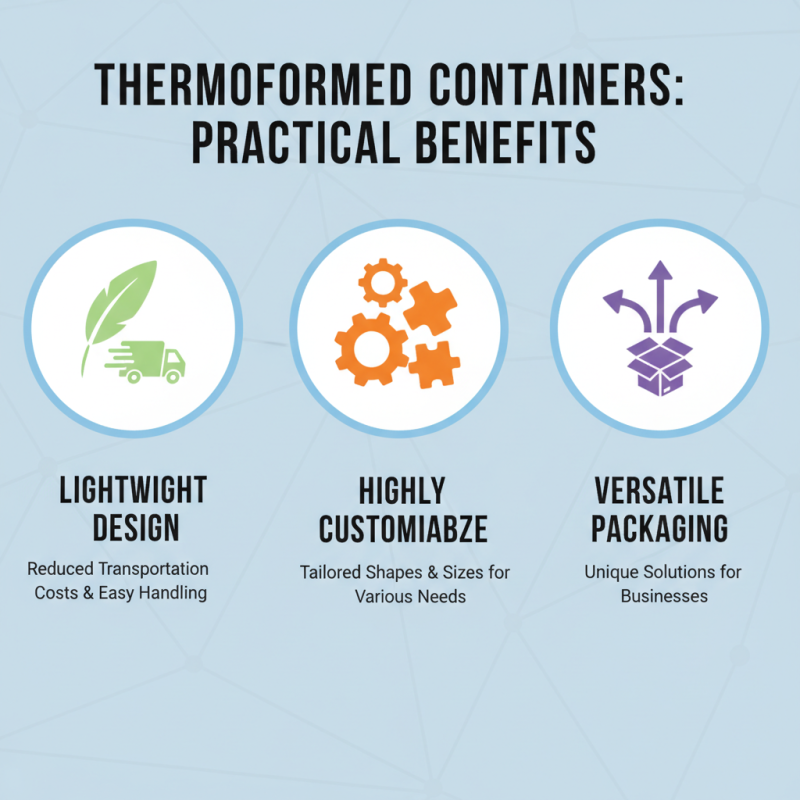
You know those thermoformed containers? They’re pretty much a must-have in packaging these days. Basically, they’re made by heating up Plastic Sheets until they get soft and bendable, then shaping them to fit different molds. That’s how you get all sorts of shapes and sizes — pretty flexible stuff! People love how versatile they are, especially in the food world. From berries to takeout boxes, these containers come in handy everywhere. Plus, since they’re lightweight, they help cut down on shipping costs, which is always a win.
That said, not all thermoformed containers are top quality. Sometimes, you get ones that don’t insulate well or keep temperature steady, which can be a bit of a headache. It’s really important for manufacturers to focus on quality — nobody wants their food to spoil or get cold too quickly. And us consumers should pay attention too; choosing better-quality containers means better safety and less waste.
All in all, thermoformed containers are pretty practical. They make packing and transporting stuff way easier. But, let’s be real, there’s always room for improvement. The market keeps changing, and we need innovation to make these containers work even better while being more eco-friendly. So yeah, they’re definitely a useful solution — just keep an eye out for those updates!
Definition and Characteristics of Thermoformed Containers
Thermoformed containers are popular in packaging. These containers are made from plastic sheets that are heated and molded. The process is simple but effective. Often, these containers are lightweight and strong. They provide excellent protection for various products.
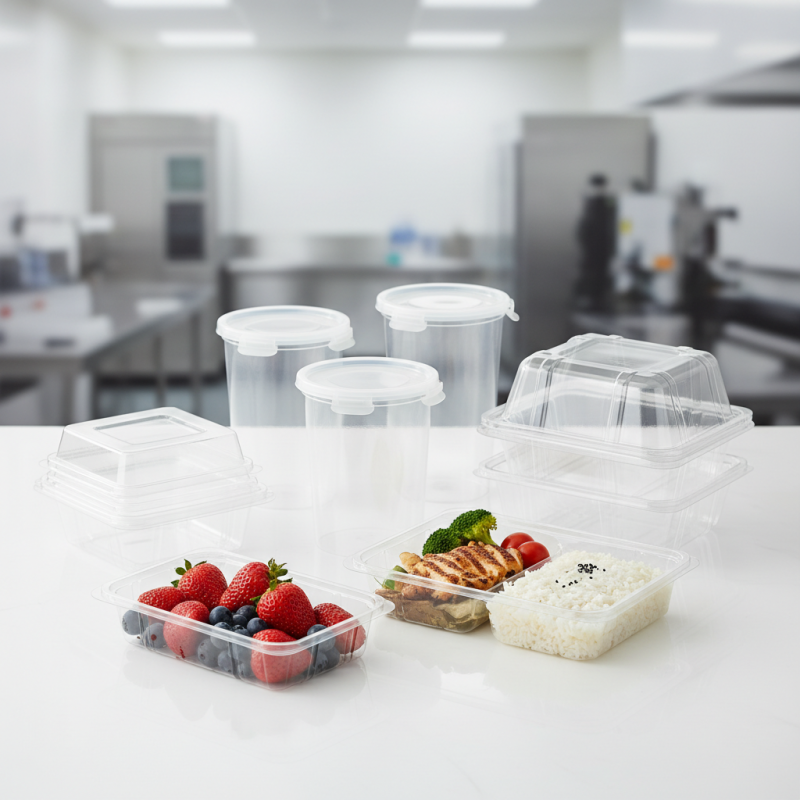
One of the main characteristics of thermoformed containers is their versatility. They come in many shapes and sizes. This makes them suitable for food, cosmetics, and electronics. They often feature clear lids, allowing customers to see the contents. However, the clarity may not always be perfect. Sometimes, these containers can scratch easily, which affects visibility.
Another characteristic is their cost-effectiveness. Thermoforming can be less expensive than other manufacturing methods. This is beneficial for businesses looking to reduce costs. However, the thickness of the material can vary. Thinner materials may not provide the best durability. Therefore, it’s essential to choose the right thickness based on the intended use. Overall, while thermoformed containers have many advantages, careful consideration is needed to address their shortcomings.
Usage of Thermoformed Containers by Industry
This bar chart represents the various industries utilizing thermoformed containers and the estimated number of uses, highlighting their versatility in Food Packaging, medical supplies, and beyond.
The Thermoforming Process Explained
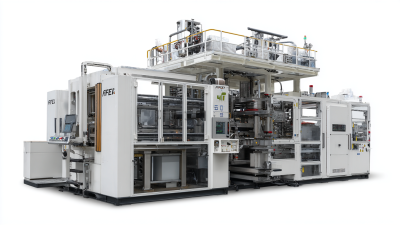
The thermoforming process begins with sheets of plastic. These sheets are heated until they become pliable. Once soft, they are stretched over a mold. This helps create various shapes and sizes. The process is efficient and relatively simple. It reduces waste, making it an eco-friendly choice.
Once the heated sheet is on the mold, vacuum pressure is applied. This ensures the plastic clings tightly to the mold's contours. After cooling, the formed container is removed. The result is a precise shape, ready for various uses. Thermoformed containers are popular in food packaging and storage. They are lightweight, durable, and offer good protection.
However, it is essential to consider their limitations. Not all plastics can be thermoformed effectively. Some may require more energy or time. This can affect production costs. Moreover, the recycled material may not always hold up to standards. These factors warrant further reflection to improve processes.
Materials Used in Thermoformed Containers
Thermoformed containers are popular for their versatility and efficiency. They are made using thermoforming techniques that shape plastic sheets into specific designs. The choice of materials is crucial in creating high-quality Thermoformed Plastic Containers. Commonly used materials include PET, PVC, and PS. Each material has unique properties that make it suitable for various applications.
PET is widely recognized for its durability and clarity. It is often used for food packaging, as it is safe and resistant to impact. PVC, on the other hand, offers great flexibility and strength, making it ideal for medical products or protective packaging. PS is lightweight and easy to mold, frequently used in disposable containers and trays. However, there are concerns about the environmental impact of these materials.
Recycling options vary based on the type of plastic used. Many thermoformed plastic containers are recyclable, but the recycling process can be complex. Not all facilities accept them, leading to waste. This raises questions about sustainability and how manufacturers can improve their practices. The quest for better materials and designs continues, as companies seek ways to balance functionality with environmental responsibility.
What are Thermoformed Containers and Their Uses?
| Container Type | Material | Common Uses | Advantages |
| Clamshell Containers | PET, PS | Food packaging, electronics | Visibility, freshness, durability |
| Blister Packs | PVC, PET | Pharmaceuticals, consumer products | Tamper-evident, cost-effective |
| Trays | APET, HIPS | Food service, transportation | Stackable, recyclable |
| Custom Shapes | PP, PS | Specialty items, promotional products | Versatility, aesthetic appeal |
| Containers with Lids | RPET, PS | Food storage, takeaway meals | Reusability, convenience |
Common Applications of Thermoformed Containers
Thermoformed containers are widely used across various industries. Their lightweight and custom shapes make them ideal for packaging products. For example, in the food industry, these containers provide an efficient way to package salads, fruits, and ready-to-eat meals. A report by Smithers Pira states that the global market for thermoformed plastic containers is expected to reach $21 billion by 2026.
Healthcare also relies heavily on thermoformed containers. They are used for medical trays and sterile packaging. Their ability to be produced in high volumes while maintaining quality is a great advantage. However, it’s important to note that not all thermoformed containers are recyclable, which poses challenges for sustainability. Choosing the right materials can be tricky.
Tip: When selecting containers, consider their lifecycle impact. Check if they meet recycling standards. Another report from Grand View Research indicates that the market is growing due to the demand for eco-friendly solutions. Selecting the right supplier, especially Thermoformed Plastic Containers Manufacturers, can affect your choice of materials and quality. Always weigh the environmental factors against cost and functionality.
Environmental Impact and Sustainability Considerations
Thermoformed containers are increasingly popular in packaging. However, their environmental impact raises concerns. These containers are often made from recyclable plastics, yet the recycling rates remain low. According to a 2022 survey by the Association of Plastic Recyclers, only 9% of plastic gets recycled in the U.S. This statistic highlights a significant issue in sustainability.
The production process of these containers is energy-intensive. It often results in higher carbon emissions. A study by the Sustainable Packaging Coalition revealed that the lifecycle assessment of thermoformed plastics shows a carbon footprint larger than that of metals. This is especially troubling when we consider the need for eco-friendly packaging solutions.
Tips: Encourage businesses to consider biodegradable materials. Products made from plant-based sources can reduce environmental impact significantly. Also, think about your purchasing choices. Choosing reusable options helps create a more sustainable future. Reflect on how small changes in packaging can lead to a healthier planet.
Future Trends in Thermoformed Container Manufacturing
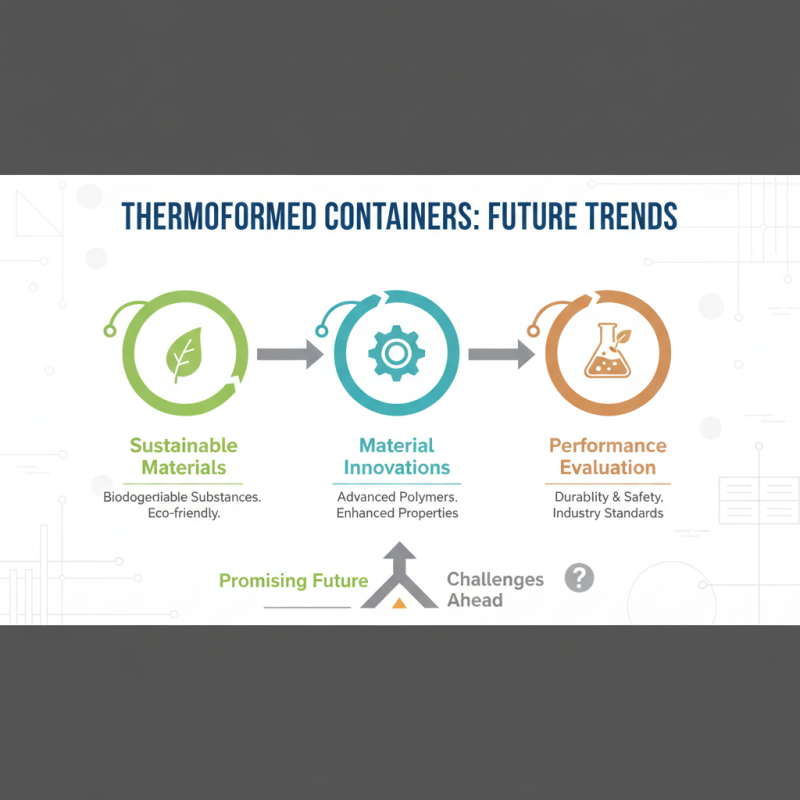
As industries evolve, the future of thermoformed container manufacturing appears promising but also challenging. Innovations in materials are underway. Sustainable options are gaining traction. Many companies are experimenting with biodegradable substances. These materials have potential, yet their performance needs careful evaluation.
Automation in production is a clear trend. Thermoformed Plastic Containers Factories are integrating advanced machinery. This enhances efficiency and reduces waste. However, transitioning to automated systems can be daunting. Workers may feel anxious about job security. Balancing technology and human skills is crucial.
Additionally, customization remains a focal point. Businesses seek unique designs to attract customers. Thermoformed containers can be easily shaped and sized. But quality control must not be overlooked. Consistency in production is vital for brand reputation. Challenges in delivering high-quality, eco-friendly containers still linger. As companies navigate these trends, adaptability will be key.
Conclusion
Thermoformed containers are versatile packaging solutions created through a thermal forming process that molds plastic sheets into various shapes. These containers exhibit properties such as durability, lightweight construction, and design flexibility, making them ideal for diverse applications across industries. The thermoforming process involves heating a plastic sheet until pliable, then forming it over a mold and trimming it to produce the final product.
Made from materials like PET, PVC, and polystyrene, thermoformed containers serve numerous purposes, ranging from food packaging to industrial applications. They offer multiple advantages, including cost-effectiveness, scalability, and customization potential. Additionally, as sustainability becomes increasingly critical, manufacturers are focusing on environmentally friendly practices and materials to reduce the ecological impact while keeping pace with emerging trends in the market. Overall, thermoformed containers are an integral part of modern packaging solutions, balancing functionality with environmental considerations.