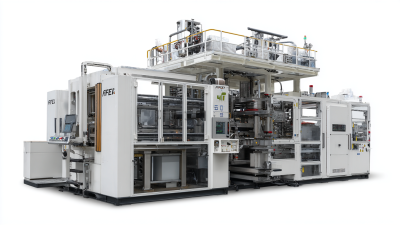
Manufacturing always seems to be on the lookout for smarter, more efficient ways to make materials. One tool that’s been a game-changer is the Sheet Extruder. Honestly, this machine is pretty key when it comes to shaping thermoplastics into those flat sheets we see everywhere—think packaging, building materials, you name it. I read somewhere that, according to Grand View Research, the global market for Plastic Sheets is projected to hit about USD 52.24 billion by 2025. Crazy, right? It really shows how much demand there is for better extrusion tech out there.
That said, it’s not all smooth sailing. Even the big names like Davis-Standard and GEHR keep pushing the envelope, but they still face challenges. For example, getting those sheets to be perfectly uniform in thickness is easier said than done. When there’s variation, it messes with the quality and ends up wasting material. Plus, these machines gobble up quite a bit of energy, which is something companies really need to think about. If they can find ways to make them more energy-efficient, the savings could be pretty significant.
As the industry moves forward, it’s super important to understand how a Sheet Extruder actually works. Having that inside scoop can help companies fine-tune their processes and stay ahead of the game. Ultimately, staying open to continuous improvements and innovations is what’s going to keep them competitive in this fast-changing market.
What is a Sheet Extruder?
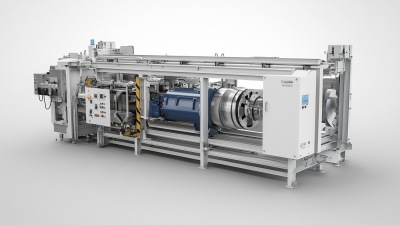
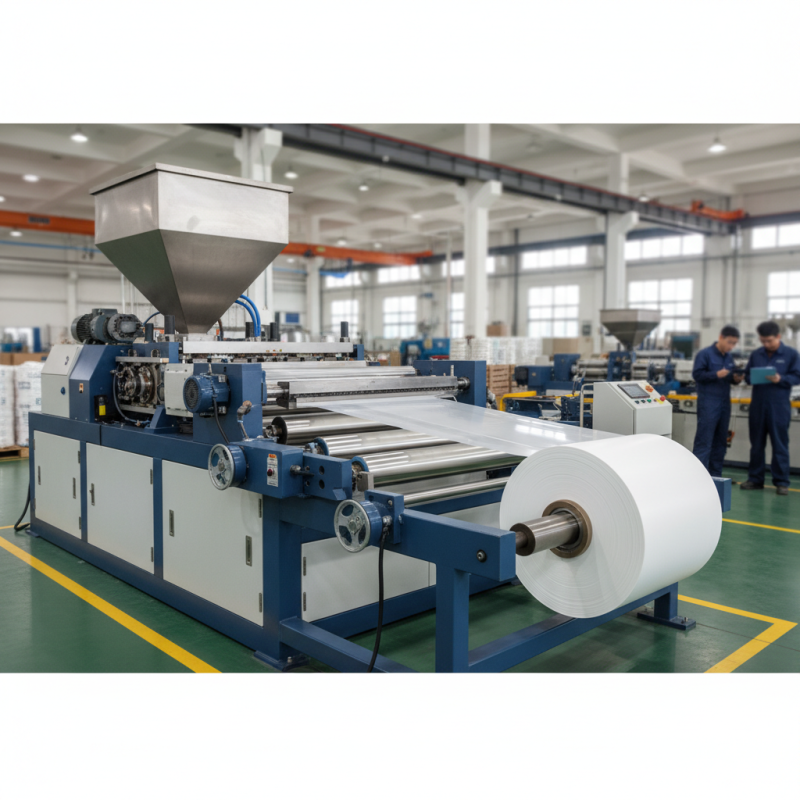
A sheet extruder is a vital machine in the plastics industry. It transforms raw plastic materials into sheets of various thicknesses. This process begins with plastic pellets being heated in a barrel. The molten plastic is then pushed through a die to form sheets. These sheets can be used in packaging, construction, and many other applications.
The operation of a Plastic Sheet Extruder might seem straightforward. However, achieving the desired properties in the final product can be challenging. Various factors, such as temperature and pressure, must be precisely controlled. If the temperature is too high, the plastic may degrade. If too low, the flow will be inconsistent. This delicate balance requires constant monitoring.
In practice, mistakes can occur. Sometimes, the sheets come out uneven or with imperfections. Adjustments may be needed frequently. Operators must be vigilant and ready to make changes. Understanding the intricacies of the plastic sheet extruder allows for better output. It is a continuous learning process in the quest for high-quality products.
What is a Sheet Extruder and How Does It Work?
| Dimension | Description |
| Feed Throat | The entry point where raw material is fed into the extruder. |
| Barrel | The main chamber where material is heated and mixed. |
| Screw Diameter | The diameter of the screw that influences the flow and mixing of the material. |
| Die | The part of the extruder that shapes the molten material into sheets. |
| Cooling System | Used to solidify the extruded sheet after it exits the die. |
| Thickness Control | Mechanism to ensure the desired thickness of the extruded sheet is achieved. |
| Material Types | Commonly used materials include PVC, PETG, and polystyrene. |
Basic Components of a Sheet Extruder
A sheet extruder is a key machine in the plastic processing industry. Understanding its basic components is essential for anyone interested in this technology. At the heart of the extruder is the screw. It helps move the raw material through the barrel, where heat and pressure transform it into a malleable state.
The barrel surrounds the screw. It contains heating elements that control the temperature. This part is critical. If the temperature is not right, the material won't process properly. Below the barrel is a die. The die shapes the melted plastic into sheets. This is where precision matters. An ill-fitted die can lead to defects in the sheets, making the final product unusable.
Cooling systems are also crucial. They ensure that the sheets maintain the desired thickness and surface quality as they harden. Often, operators face challenges with maintaining consistent cooling. Variations can cause warping or irregular thickness, requiring careful monitoring. Each component plays a role, and any missteps can lead to production delays and waste, which is a constant learning point in the extrusion process.
The Working Principle of Sheet Extrusion
Sheet extrusion is a common process in the manufacturing of plastic sheets. The method involves forcing heated plastic through a flat die to create continuous sheets. These sheets can be made from various polymers like PVC, polyethylene, or polystyrene. By 2021, the global sheet extrusion market was valued at approximately $9 billion and is expected to grow steadily.
The process begins with the loading of raw plastic pellets into the extruder. Once heated, the pellets melt and are mixed to achieve uniform consistency. This molten plastic is then pushed through a die that shapes it into a sheet. The thickness and width depend on the design of the die. Cooling is a critical step; if not properly managed, defects may arise. Some reports indicate that up to 25% of produced sheets can have issues like warping or uneven thickness.
The efficiency of sheet extrusion greatly depends on the extruder’s settings. Operators must carefully monitor temperature and pressure. This precision is crucial; slight deviations can result in significant defects. Industry data shows that maintaining optimal conditions can improve output quality by 15%. However, regular maintenance is often neglected, leading to unplanned downtimes. Continuous improvement in process management is essential for achieving better results and higher profitability in the sheet extrusion sector.
Types of Materials Used in Sheet Extrusion
Sheet extrusion is a widely used process to create flat sheets from various materials. The choice of materials significantly influences the final product's quality. Common materials include thermoplastics like PVC, polystyrene, and polypropylene. Each material has unique properties that determine its suitability for different applications.
For instance, PVC is often used for construction materials due to its durability. Polystyrene offers excellent clarity and is favored in packaging applications. Polypropylene is lightweight yet strong, making it ideal for automotive components. Understanding these characteristics helps in selecting the right material for specific projects.
Tips: Always test material samples before production. This can help identify possible issues early on. Keep in mind that varying temperatures during extrusion can affect the material's properties. Regularly monitor your equipment to ensure optimal performance and quality.
Another key aspect is the impact of additives. Incorporating materials like colorants or UV stabilizers can enhance functionality. However, adding too many can compromise the integrity of the sheet. Striking the right balance requires experience and careful consideration.
Common Applications of Sheet Extrusion
Sheet extrusion is a widely used process in manufacturing. It involves melting plastic pellets and forming them into flat sheets. These sheets are used in various industries. The versatility of sheet extrusion allows for numerous applications.
One common application is in packaging. Plastic sheets are used to create containers, lids, and other packaging materials. These products are lightweight and durable. In the automotive industry, sheet extrusion produces components such as interior panels and dashboards. These parts benefit from the customization that extrusion offers.
Another significant application is in building materials. Extruded plastic sheets are often used for windows, doors, and siding. They provide insulation and weather resistance. However, not all products meet environmental standards. This calls for improvement. Selecting trustworthy Plastic Sheet Extruder Manufacturers is essential to ensure quality. The process can be refined to enhance sustainability and reduce waste. Exploring innovation in sheet extrusion remains crucial for ongoing development.
Advantages and Disadvantages of Sheet Extruders
Sheet extruders are essential machines in the plastics industry. They create flat sheets used in various applications. However, they come with advantages and disadvantages worth considering.
One major advantage of sheet extruders is their efficiency. They can produce large volumes of plastic sheets quickly. According to industry reports, these machines can achieve output rates of 400 kg/hour or more. Moreover, the ability to customize thickness and width provides versatility in production. However, the initial investment can be significant. For small businesses, this can pose a considerable financial burden.
There are some drawbacks to using sheet extruders. Maintenance can be challenging. Frequent adjustments and repairs may be needed to keep them running smoothly. The risk of material waste during the process also exists. Operators must manage this aspect carefully to minimize costs. Additionally, energy consumption can be high, impacting operational expenses.
Tip: Regular maintenance checks can extend the life of your machine. Monitor energy usage to identify potential savings.
Understanding both sides is crucial for manufacturers. Knowing the challenges helps in planning and reduces risk. Partnering with a reliable Plastic Sheet Extruder Manufacturer can offer insights into optimizing operations and minimizing issues.
Maintenance and Troubleshooting in Sheet Extrusion
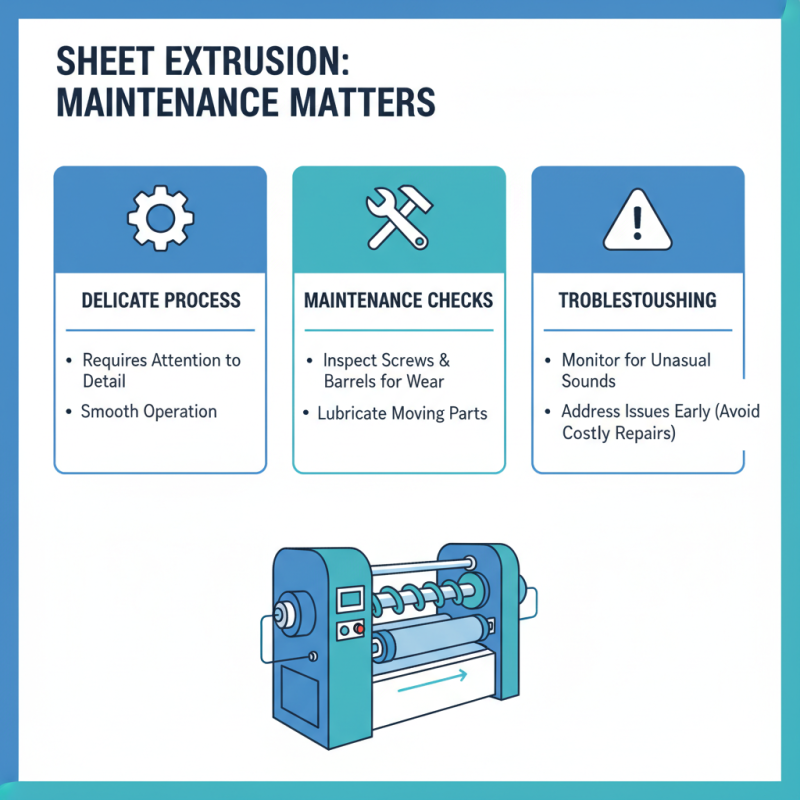
Sheet extrusion is a delicate process that requires attention to detail. Maintenance plays a crucial role in keeping the extruder running smoothly. Regularly checking for wear on the screws and barrels is necessary. Lubrication keeps machine parts moving efficiently. If you notice any unusual sounds, it may indicate a problem developing inside the machine. Ignoring these signs can lead to bigger issues down the line.
Tips: Create a maintenance checklist. Include items like temperature settings and feed rates. Keeping track of these details helps reduce downtime.
Troubleshooting is essential if the extruder stops working properly. Issues can arise from material inconsistencies or temperature fluctuations. Pay attention to the melt pressure gauge; it can hint at blockages. Sometimes, a simple cleaning is all it takes to restore functionality. Observing the output quality provides valuable insights. If sheets are uneven, it may be time to recalibrate.
Tips: Document every issue you face. This information will guide future maintenance efforts. Regular reviews can help spot patterns and prevent recurring problems. Being proactive leads to smoother operations with your Wholesale Plastic Sheet Extruder.
Market Trends and Innovations in Plastic Sheet Extrusion: Insights on the BC120-1000 for PP, PE, and PS Applications
In recent years, the plastic sheet extrusion industry has experienced significant advancements, particularly in the processing of polypropylene (PP), polyethylene (PE), and polystyrene (PS) materials. The BC120-1000 extrusion line stands out due to its specialized features designed for optimizing production efficiency and product quality. The incorporation of a 120mm screw with a 35:1 length-diameter ratio allows for enhanced melting and mixing capabilities, crucial for achieving consistent sheet thickness and surface quality.
The screw construction utilizes 38CrMoAlA material, treated through nitriding to ensure high durability and resistance, with a nitriding layer thickness between 0.4 to 0.7mm, achieving a surface hardness of HV850-920. Such specifications are particularly relevant as the sector demands greater reliability from machinery, especially under high speeds—this system can operate up to 90 rpm, powered by a robust 110kW main motor. Moreover, the heating system, with a total of 70kW powered by cast aluminum heating rings, ensures uniform temperature control throughout the extrusion barrel, vital for processing varying thermoplastics efficiently.
Industry reports indicate that the global market for plastic sheet extrusion is projected to grow significantly, driven largely by the rising demand for sustainable packaging and innovative building materials. The enhancements in machinery such as the BC120-1000 play a critical role in this transition, offering manufacturers the ability to produce high-quality sheets that meet the increasingly stringent regulations and consumer preferences for eco-friendly solutions. The growing trend towards customization and automation in production processes further underscores the importance of advanced extrusion technologies in maintaining competitive margins.
FAQS
: The product aims to enhance daily life. It focuses on improving convenience and efficiency.
This product is suitable for various users. Anyone looking for better solutions can benefit from it.
The product utilizes simple mechanics. Users operate it with minimal effort. Instructions are clear and straightforward.
Users should be cautious. Follow the guidelines to avoid misuse. Improper use may lead to issues.
Cleaning is essential for maintenance. Use soft cloths. Avoid harsh chemicals to protect its surface.
Check the manual first. Often, troubleshooting is straightforward. If issues persist, consider reaching out for support.
Conclusion
A Sheet Extruder is a specialized machine used in the manufacturing process to produce flat sheets from various thermoplastic materials. The key components of a sheet extruder include a hopper, extruder barrel, screw, and die, which work together to melt and shape the material. The working principle involves filling the hopper with raw plastic, which gets heated and pushed through the screw to the die, where it is formed into sheets.
Sheet extrusion can accommodate a range of materials, including polyethylene, polystyrene, and other thermoplastics, making it versatile for numerous applications, such as packaging, construction, and automotive parts. While sheet extruders offer significant advantages, such as high efficiency and the ability to create consistent thickness, they also come with challenges, including maintenance needs and potential troubleshooting issues. Proper understanding of these elements is crucial for optimizing the production process and ensuring the quality of the final product.