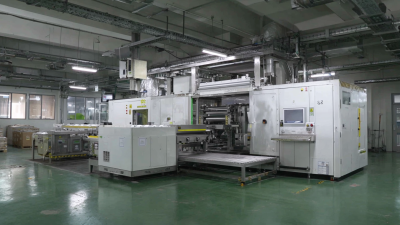
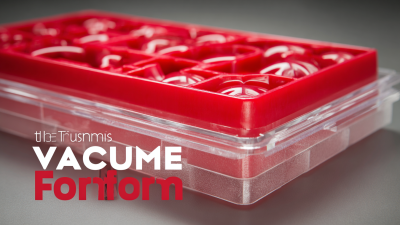
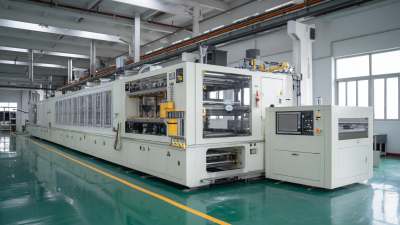
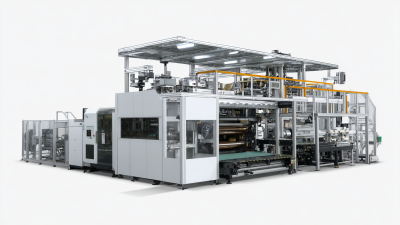
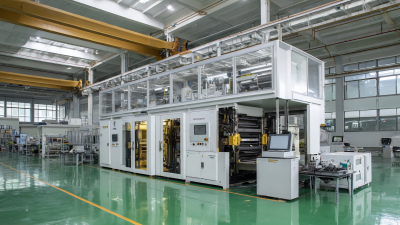
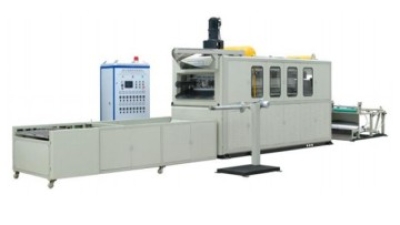
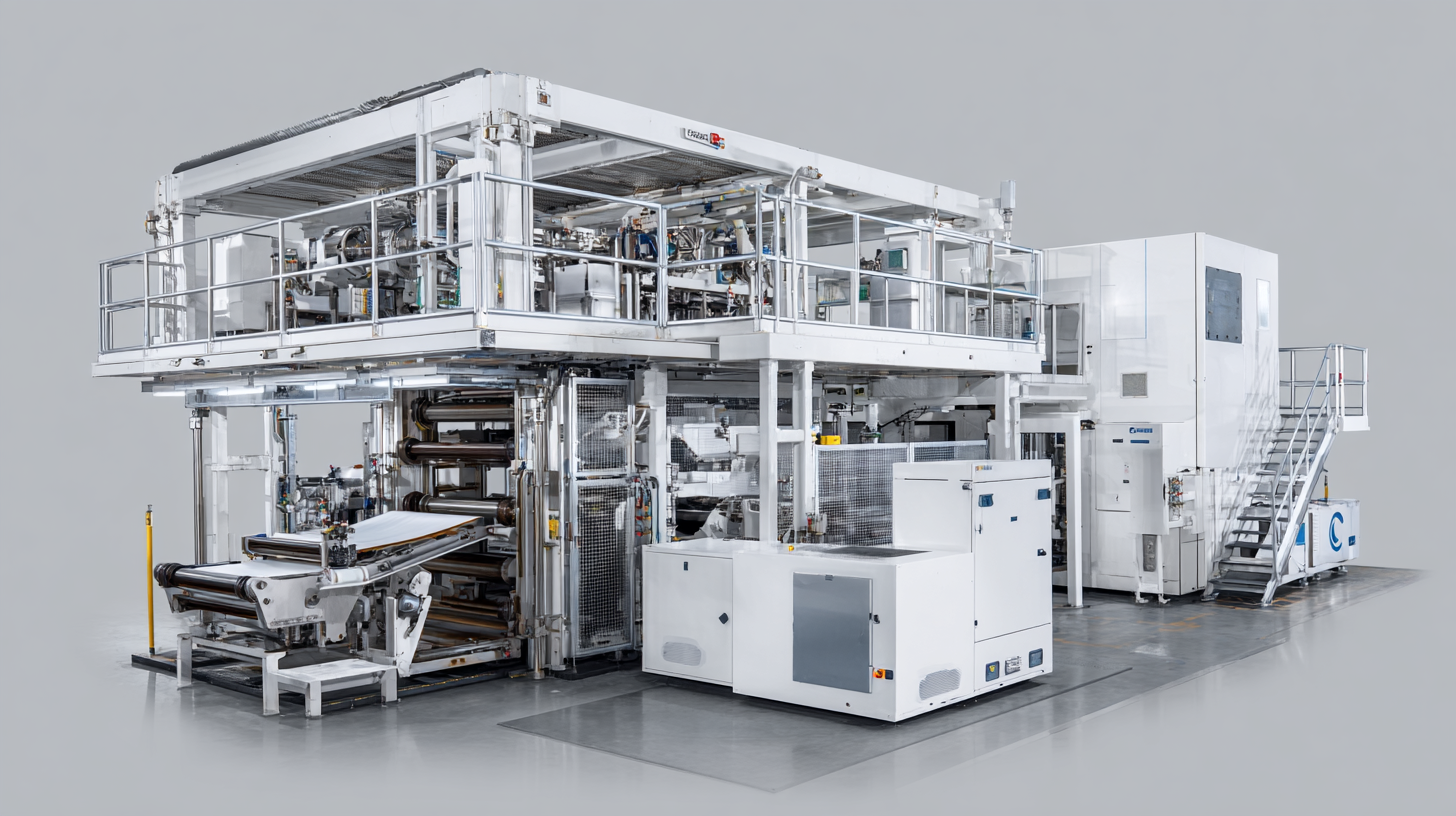
When it comes to sustainable manufacturing, the Vacuum ThermoForming Machine really stands out as a game-changer. It’s revolutionizing packaging solutions to better align with what eco-conscious consumers and industries are looking for these days. I recently came across a market report from Smithers that predicts the global thermoforming market will hit about $25 billion by 2025. That just shows how more companies are turning to vacuum thermoforming to boost resource efficiency and cut down on waste. As someone who's been in the plastic industry for over 15 years, I can tell you that Ruian Bocheng Machinery Co., Ltd. is definitely a key player here. They're based in Binhai Industry, Ruian City, Wenzhou, Zhejiang Province, China, and they’ve really been pushing innovation every step of the way. Their focus is on providing top-notch vacuum thermoforming solutions that cater to manufacturers’ needs, while also supporting a more sustainable future—making a real difference in packaging today.
The Role of Vacuum Thermoforming in Sustainable Packaging Solutions
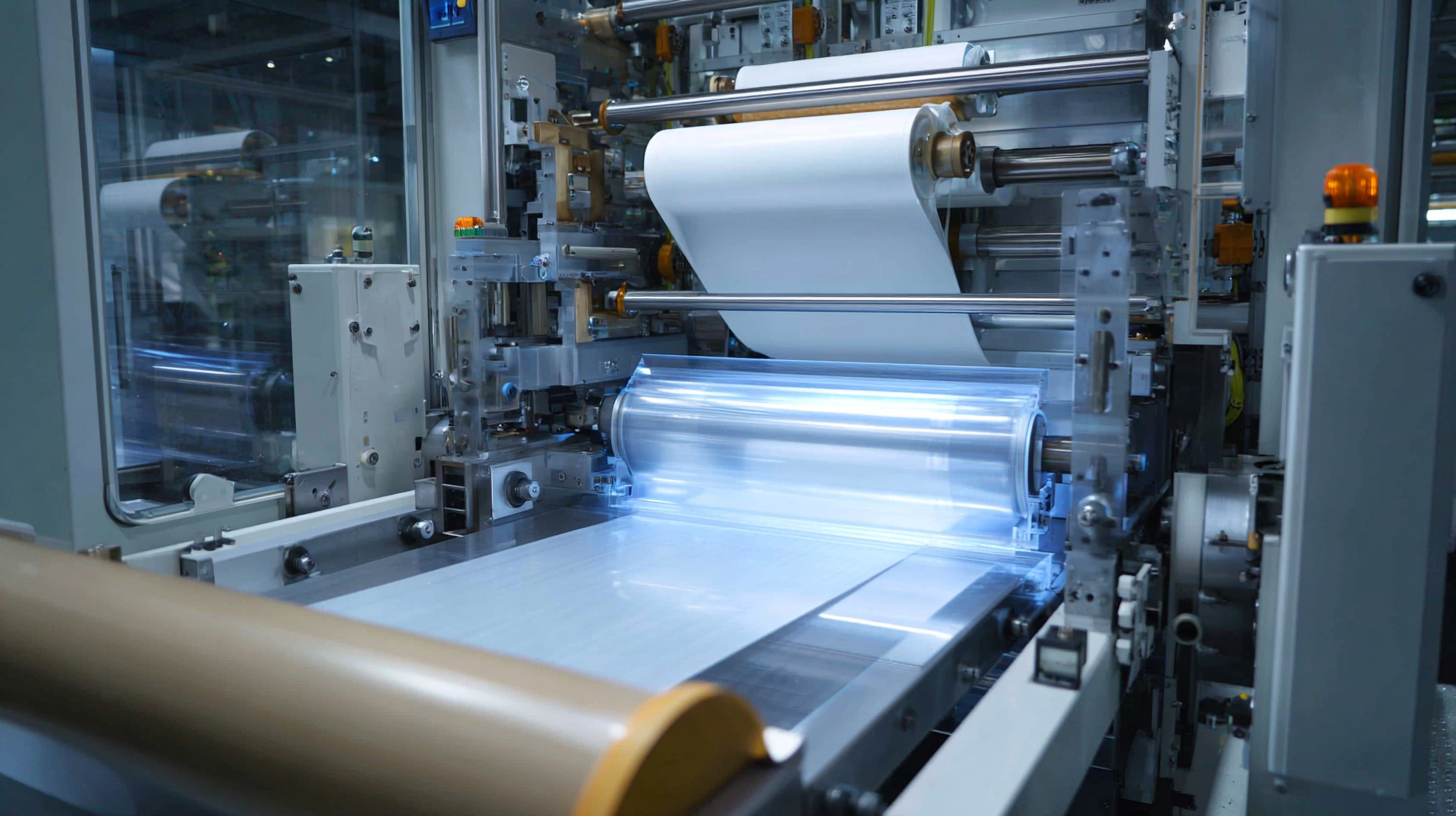
Vacuum thermoforming is really starting to catch on as a more sustainable way to package things. It’s all about finding smart and eco-friendly methods to make products while wasting less material. Thanks to new, advanced techniques, manufacturers can now create lightweight yet sturdy packaging that uses fewer resources. As more companies look to step up their sustainability game, vacuum thermoforming is shaping up to be a pretty solid alternative to the usual packaging methods. It lines up well with both environmental goals and what consumers are looking for these days.
At Ruian Bocheng Machinery Co., Ltd., we’re proud to be part of this shift. With over 15 years in the plastic industry, we focus on offering solutions that keep up with the ever-changing landscape of sustainable manufacturing. Our latest vacuum thermoforming machines help businesses produce packaging that's not just high-quality but also eco-friendly and compliant with the latest regulations. As demand for greener practices keeps growing, we’re committed to innovation, and that’s what keeps us at the forefront of the move toward more sustainable packaging solutions.
Innovative Materials for Eco-Friendly Vacuum Thermoforming Processes
You know, the evolution of vacuum thermoforming machines is really opening up a whole new chapter in sustainable manufacturing. It's pretty exciting, especially with all the new materials coming into play. More and more industries are jumping on the eco-friendly bandwagon, and using biodegradable plastics or recycled stuff is now more of a no-brainer. These materials do a good job at cutting down waste and actually need less energy to make — which means less of a carbon footprint compared to the usual packaging methods. When companies start using these greener options, they can meet the growing consumer demand for packaging that’s better for the planet.
If you're choosing materials for vacuum thermoforming, things like PLA (that’s Polylactic Acid) and PETG (Polyethylene Terephthalate Glycol) are pretty popular because they’re recyclable and have less impact on the environment. Just make sure to look for legit eco-certifications — it's a small step that really makes a difference in making your packaging truly sustainable.
Going green with vacuum thermoforming can also spark some pretty innovative ideas in packaging design. With the latest tech, manufacturers can craft lightweight packaging that’s still tough and holds its shape. This not only ticks the box for sustainability but also helps products stand out more on store shelves, looking both great and eco-friendly. Moving forward, I think the future is all about blending awesome design with environmental responsibility — sustainability isn’t just a trend, it’s shaping how we do things in modern manufacturing.
Energy Efficiency Advances in Modern Thermoforming Machinery
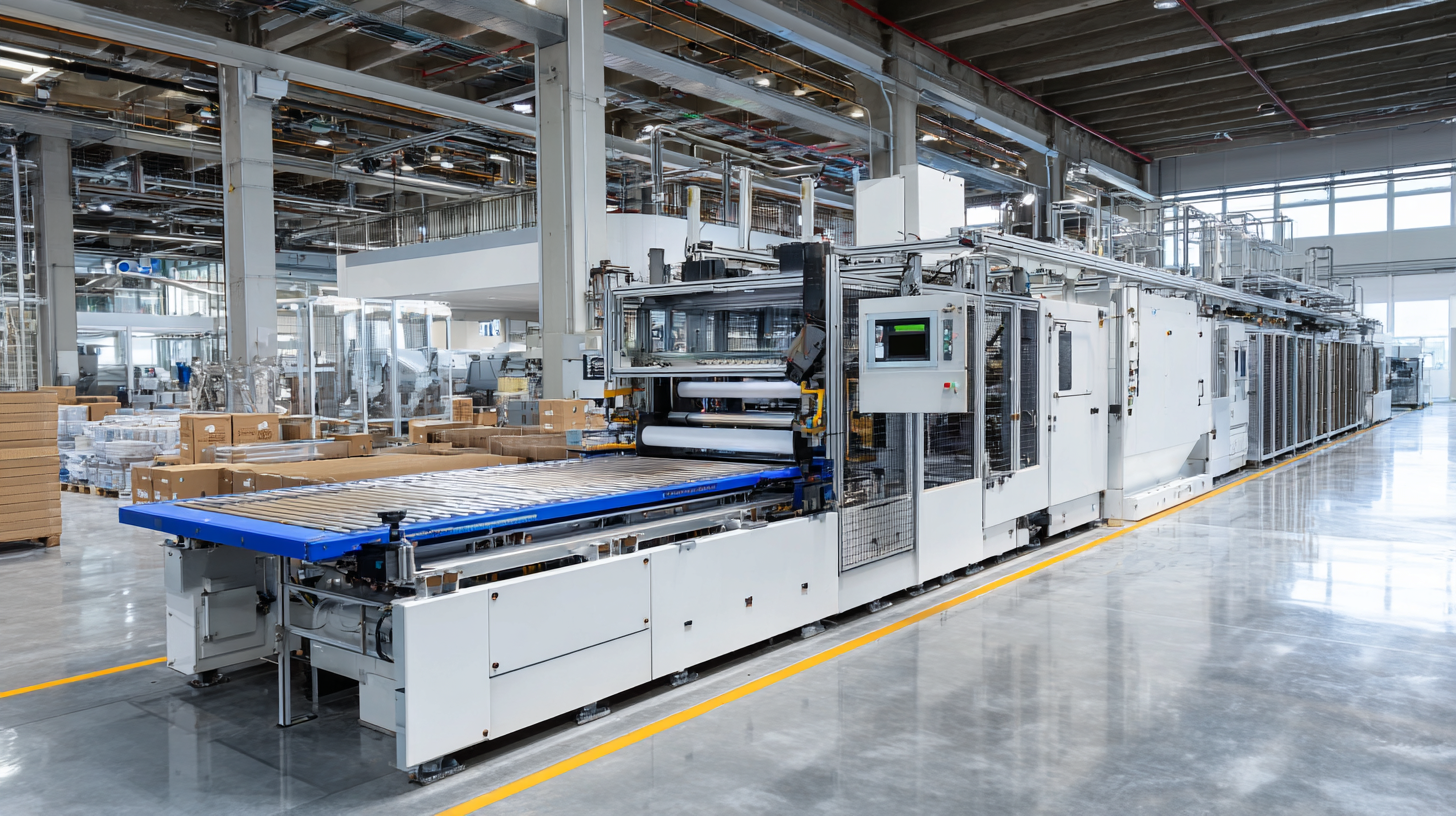
Looking ahead, the future of sustainable manufacturing really hinges on advancements in vacuum thermoforming machinery — especially when it comes to saving energy. Recent studies are pretty clear: modern thermoforming machines can slash energy use by up to 30% compared to older models. Won’t lie, a big part of that is thanks to innovations in heating tech that use smart control systems to fine-tune temperature management. As more companies jump on the eco-friendly packaging bandwagon, it’s no surprise that they’re adopting these energy-efficient processes. Not only do they help cut down on carbon footprints, but they also boost production efficiency.
If you’re looking to optimize energy use in thermoforming, a few tips can go a long way. Regular maintenance is key — it keeps your machines running smoothly and at peak performance. And investing in energy monitoring systems that track consumption in real time? Totally worth it. That way, you can spot where improvements are needed and cut down on waste. Plus, choosing materials designed specifically for energy-efficient thermoforming can lead to even bigger savings. So, it’s not just good for the planet — it can also be good for your bottom line.
Shifting to more energy-efficient thermoforming isn’t just about being eco-friendly anymore; it’s becoming a must to stay competitive. Industry insiders keep warning that companies dragging their feet might face higher operational costs and even lose market share. Embracing the newest vacuum thermoforming tech isn’t just smart—it offers a chance to get creative and push sustainability forward at the same time.
Integration of Digital Technologies in Thermoforming Automation
You know, the way digital tech is merging into thermoforming automation really is shaking up how we see sustainable manufacturing these days. Lately, we've seen some pretty cool stuff, like new linear thermoforming machines made specifically for packaging medical devices. It’s clear that manufacturers are really stepping up to meet the industry's call for more efficient and precise production. Not only does this boost their capability to produce more, but it also helps them stay on top of all those tough health regulations. It’s a solid example of how digital solutions are becoming totally essential in modern packaging.
If companies want to stay competitive, honestly, investing in those advanced tech solutions that make production smoother and improve quality is the way to go. Embracing automation isn’t just about cutting costs; it actually helps reduce mistakes caused by humans and pushes what’s possible in manufacturing to a whole new level.
Plus, with labor shortages and reshoring becoming big concerns, more manufacturers are making automation a priority. Things like digital twin tech and collaborative robots aren’t just fancy buzzwords—they’re actually helping companies work more efficiently and sustainably. Taking this proactive approach means they can meet customers’ rising expectations for faster, greener products. Overall, it puts them ahead of the curve in this fast-changing market landscape.
Vacuum Thermoforming Machines: Sustainable Manufacturing Trends
Challenges and Opportunities in Sustainable Vacuum Thermoforming Production
Shifting towards more sustainable manufacturing methods brings both hurdles and chances in the world of vacuum thermoforming. One of the main issues? Finding eco-friendly materials that can handle the tough demands of thermoforming. Yeah, traditional plastics are often cheaper and easier to find, which makes switching over to biodegradable or recyclable options a bit more complicated and sometimes more expensive. Companies need to put some serious effort into research and development to find sustainable alternatives that still deliver the quality and performance they need.
But here’s the good news—this push for sustainability is actually sparking some real innovation. Brands that figure out how to weave eco-friendly practices into their vacuum thermoforming processes don’t just do the right thing for the planet; they also boost their reputation. Plus, they get to tap into a growing crowd of consumers who really care about the environment. Using smarter tech, like energy-efficient machines and closed-loop systems, can save a lot of money in the long run, too. And let’s not forget — working closely with suppliers and industry partners is going to be key to making this switch smooth. All in all, it’s about working together toward a greener, more sustainable future in packaging.
Case Studies: Successful Implementations of Sustainable Thermoforming Solutions
You know, vacuum thermoforming has really become a go-to technology nowadays when it comes to sustainable manufacturing. It’s pretty cool how it helps cut down waste and saves energy at the same time. I read somewhere that the global market for thermoformed plastics might hit around $60 billion by 2025 — that’s a huge jump, mainly because more companies are looking for eco-friendly packaging options. These days, more folks are turning to recycled materials like rPET, which can slash energy use by up to half compared to brand-new plastics. It’s not just about appealing to eco-conscious consumers; there’s also those stricter regulations pushing companies to be greener in how they produce stuff.
There are some great real-world examples showing how businesses are successfully using sustainable thermoforming. For instance, a big Food Packaging company recently switched over to vacuum thermoforming to make trays from biodegradable materials — and they managed to cut their plastic use by about 30%. That’s a pretty big deal for their push towards a circular economy. Then there’s an electronics manufacturer that redesigned their packaging with thermoformed materials, which not only improved product protection but also saved up to 40% on material costs. All in all, these stories really show how vacuum thermoforming machines can make a difference — helping the environment while also making operations more efficient.
Revolutionizing Packaging: The Future of Vacuum Thermoforming Machines in Sustainable Manufacturing
| Implementation Case Study | Material Used | Process Efficiency (%) | Waste Reduction (%) | Energy Savings (%) | Customer Satisfaction Rating (out of 5) |
| Case Study 1 | Recycled PET | 85% | 30% | 25% | 4.5 |
| Case Study 2 | Biodegradable PLA | 90% | 40% | 20% | 4.7 |
| Case Study 3 | Post-consumer Recycled Cardboard | 80% | 35% | 15% | 4.6 |
| Case Study 4 | Sustainable Wood Fiber | 88% | 25% | 30% | 4.4 |
| Case Study 5 | Compostable Materials | 92% | 50% | 28% | 4.9 |
Efficient Production with the Servo Plastic Cup Forming Machine BC-S750: A Comprehensive Guide to Features and Benefits
The BC-S750 Servo Plastic Cup Forming Machine revolutionizes the conventional cup manufacturing process with its advanced technology and features. At the core of its operation is a high-performance servo motor, which meticulously controls the movement throughout the forming process. This not only ensures precision but also produces high-quality and consistent cup products that meet rigorous market standards. Manufacturers can harness the power of this machine to enhance their production capabilities, leading to reduced waste and improved overall efficiency.
In addition to its precise forming capabilities, the BC-S750 comes equipped with features like automatic feeding and stacking, which significantly streamline the production workflow. This automation minimizes manual labor requirements, thus reducing labor costs and enhancing productivity. The machine is also designed with customization in mind, allowing operators to adjust settings to produce different cup sizes and accommodate various materials. This flexibility makes the BC-S750 an ideal choice for businesses looking to adapt to diverse market demands while maintaining high production standards and operational efficiency.
FAQS
: Innovative materials in vacuum thermoforming lead to reduced waste, lower energy consumption, and a significant decrease in the carbon footprint associated with traditional packaging solutions.
Recommended materials include PLA (Polylactic Acid) and PETG (Polyethylene Terephthalate Glycol), as they are recyclable and have a lower environmental impact.
Sustainable materials, such as biodegradable plastics and recycled materials, require less energy during the production process, which contributes to lower overall energy consumption.
The global market for thermoformed plastics is expected to reach approximately $60 billion by 2025, driven by the increasing demand for eco-friendly packaging solutions.
A major food packaging firm adopted vacuum thermoforming technology to produce trays from biodegradable materials, reducing their overall plastic consumption by 30%.
Vacuum thermoforming technology supports the circular economy by enabling the use of recyclable and biodegradable materials, thereby minimizing waste and promoting sustainability.
Advancements include the creation of lightweight yet durable packaging that maintains structural integrity while enhancing product visibility and appeal on store shelves.
Certifications are important to ensure that materials are genuinely eco-friendly, which enhances the sustainability of packaging solutions.
Using recycled PET (rPET) can reduce energy consumption by up to 50% compared to using virgin plastics.
The future of packaging design focuses on combining aesthetic value with environmental consciousness, making sustainability a key element of modern manufacturing strategies.
Conclusion
The future of sustainable manufacturing is really getting a boost thanks to advances in Vacuum Thermoforming Machines — it's a game changer for eco-friendly packaging. By using innovative materials and making the whole thermoforming process more energy-efficient, companies can cut down their environmental impact quite a bit. Brands like Ruian Bocheng Machinery Co., Ltd. are leading the charge here, offering solutions that blend digital tech into automated thermoforming. It’s not just about making things easier and faster; it opens up fresh opportunities for greener practices, which is pretty exciting.
Of course, there are some hurdles when it comes to producing these sustainable vacuum thermoforming solutions. But, the good news is, plenty of successful case studies show that this tech really works and can be adapted to different needs. Overcoming these bumps in the road means businesses can move towards a more sustainable future without sacrificing quality — delivering awesome products to their customers along the way. Ruian Bocheng Machinery Co., Ltd. really stands out with their focus on quality and innovation, making them a key player in this important shift in the plastics industry.