Leave Your Message
This industry is changing fast and efficiency as well as accuracy will take one far in the success ladder of a plastic manufacturing venture. The Plastic Sheet Extruder is that crucial link needed in convergence in production processes, assisting manufacturers in meeting demands, but also ensuring quality meets high standards. Having been in business for over 15 years, Ruian Bocheng Machinery Co., Ltd., the leading manufacturer with head offices located here in Binhai Industry, Ruian city, Wenzhou, Zhejiang Province, China, supplies comprehensive solutions perfect for the plastic industry. We help improve customers' productivity and operations through machineries that range into several state-of-the-art extrusion technology delivering world-class production lines.
By delving into the full specification dimensions of the Plastic Sheet Extruder, seeking such among others as essential qualities and innovations aimed at stimulating maximum production efficiency, we take a step toward providing modern design concepts, including energy-saving technologies and process optimization, giving manufacturers the push to make their target production levels while cutting down waste and operational costs. This is the passage we once about vital specifications on which the Plastic Sheet Extruder becomes almost mandatory for manufacturers in today's competitive arena and how Ruian Bocheng Machinery Co., Ltd. can elevate your manufacturing capability.
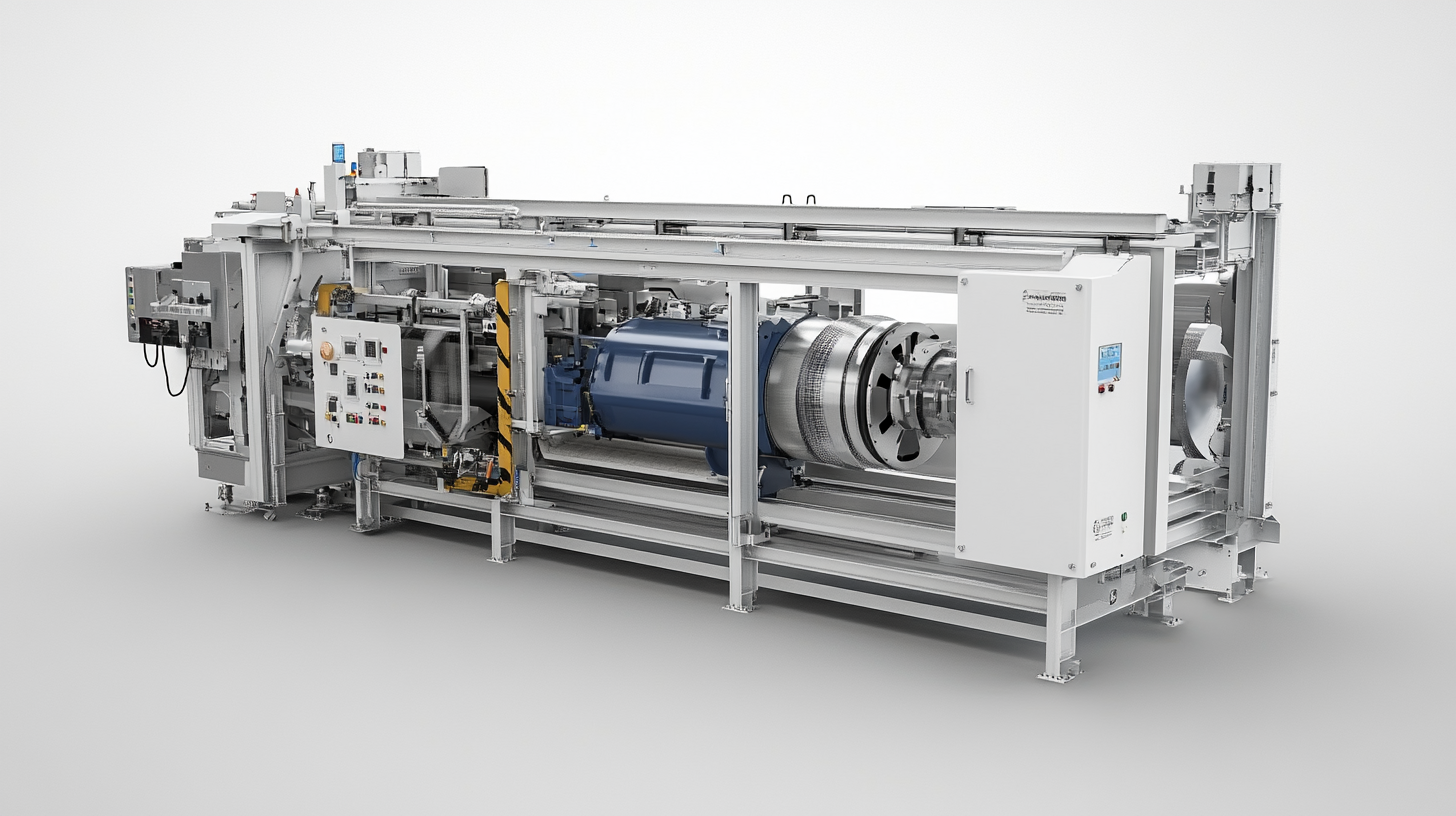
Plastic sheet extrusion technologies have an important function to perform in the various manufacturing sectors, from packaging to building. The machine's optimal performance would depend largely upon synergic action among several components, but one prime factor is the feeding system, designed to provide a constant supply of raw materials that affect the stability of the entire extrusion process. Smithers Pira reports that 25% improvement in feed consistency led to an increase in overall production efficiency of 10%. Secondly, die design is important in the function of the sheet extruder. An optimized die will not only reduce material waste but also improve the quality of the output sheet. Recent advancements in flow channel design have been seen to assist melt flow in decreasing energy consumption by up to 15% during the extrusion process, according to a study by the Plastics Industry Association. Equally important is cooling; properly functioning cooling systems affect the final properties of the sheets and the rates of throughput. Studies suggest that cooling improvement is good enough to drop cycle time by as much as 30%. Finally, control systems installed in modern plastic sheet extruders are vital for high performance. Real-time system monitoring and adjustment allowed by IoT sensor technology cause downtime to be minimized and fault detection to be enhanced. Smart technology integration in extrusion lines may enhance operational efficiency by 25%, as reported by ABI Research, thereby emphasizing the significance of modern control systems in present-day manufacturing.
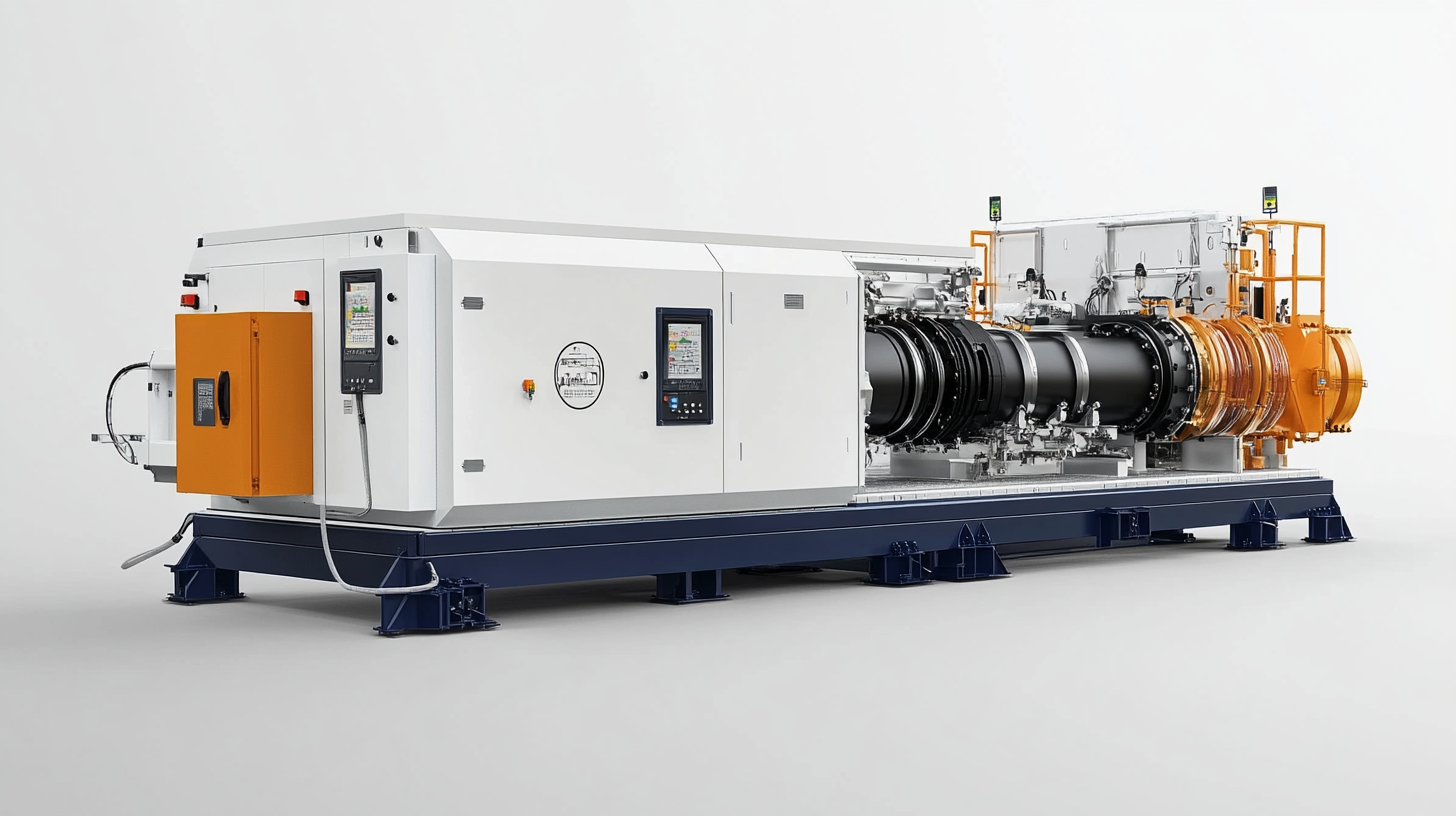
Material selection is fundamental to the efficient extrusion of plastic sheets. Polymer selection affects production rate, quality, and properties of the final product. For example, polypropylene (PP) finds widespread application in the automotive sector, accounting for approximately one third of the total automotive plastics. It is ideally suited to serve as a good material choice based on its lightweight, good impact resistance, and compromise between performance and processability.
Proven new developments in composite materials, for instance, thermoplastic composites with fiber reinforcement, show a mammoth promise concerning extrusion behavior. In these materials, improved mechanical properties can be assigned to special applications to increase production versatility. Advanced technologies concerning material processing, such as powder extrusion and new additives, may further optimize flow characteristics and dispersion of reinforcements, resulting in enhanced durability and performance of extruded sheets.
Knowledge of fluid dynamics pertaining to these materials during extrusion process becomes vital. For example, numerical simulation can predict the flow behavior within the extruder when processing parameters are altered with regard to temperature or mixing angles. Better knowledge provides a basis for the design and configuration of the extruder to achieve higher throughput and superior checkout quality. Therefore, investments into R&D relating to material selection and processing technologies have the potential to uplift production efficiency and innovation in the extrusion industry.
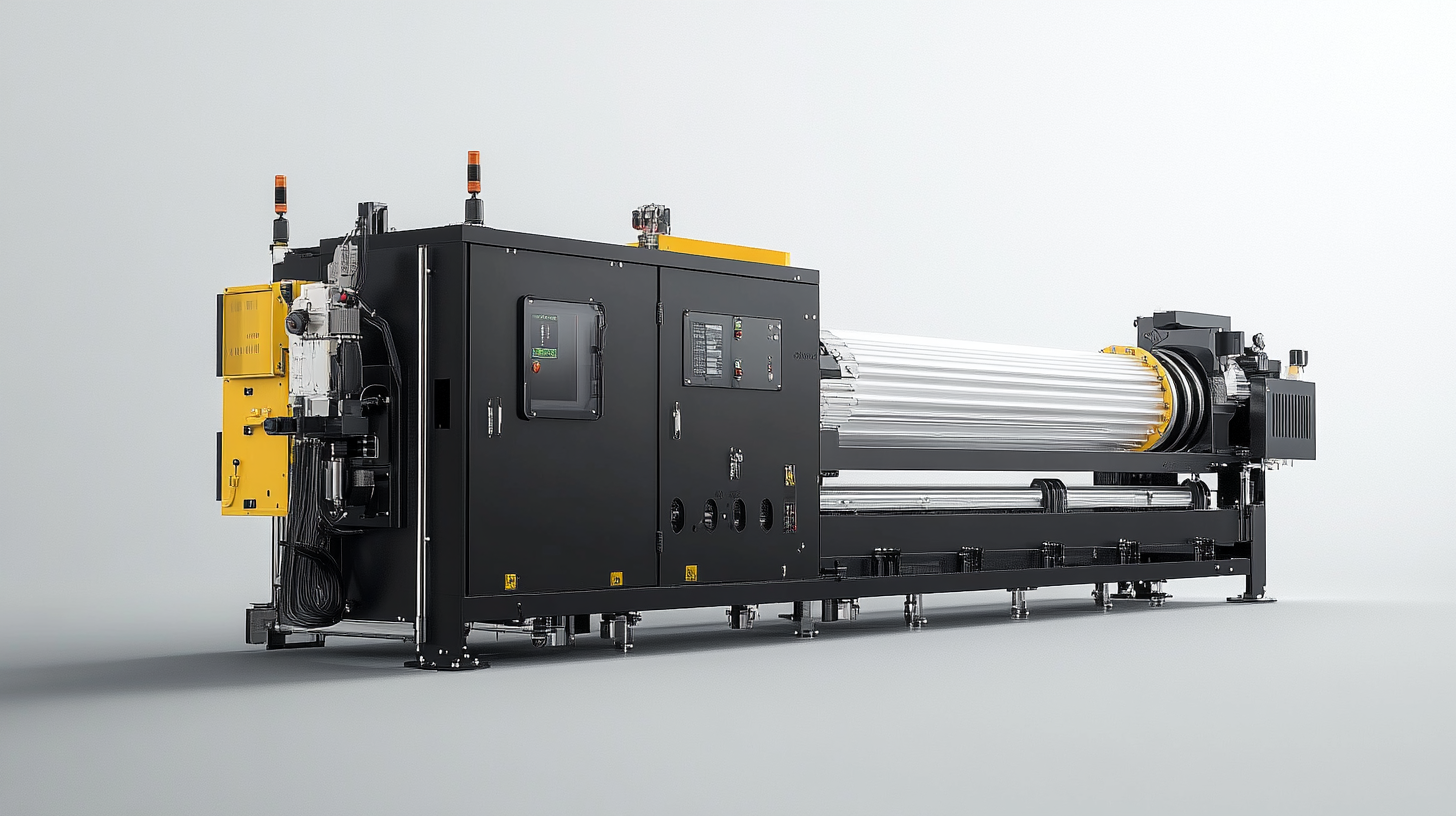
In plastic sheet extrusion, production efficiency can be maximized only with an understanding of critical operating parameters that directly influence the production rate. Parameters such as temperature regulation, extrusion speed, and die design are crucial to the smooth operation of extrusion. In other words, maintaining a particular temperature is not just essential for the flow of the material; that temperature also relates to obtaining the desired mechanical properties in the end product. Excessively high or low temperatures can lead to excessive variations in thickness, excess waste, and ultimately lower productivity.
Apart from product quality, die design can also determine the extrusion rate. A die designed properly can minimize material shear, increasing flow and rates of production. The melt flow index measurements and associated modern technologies can then evaluate the viscosity of the polymer during extrusion, allowing some refinement of setting parameters acting toward optimal performance. This is crucial, especially since there is a growing demand for materials that concentrate high performance, which in turn needs highly precision-based manufacture.
As we see the advancement being made in extrusion technologies, another noteworthy trend is specializing with the modern methodologies of hot-melt extrusion. This 'versatile' technique has its basis in pharmaceuticals, playing an important role in the plastic manufacturing domain by providing a more solvent-free process with improved consistency. The adaptation of such tenets to plastic extrusion sheets may well see manufacturers circumvent traditional problems regarding the solubility and distribution of additive materials and set new standards of efficiency and quality in the industry.
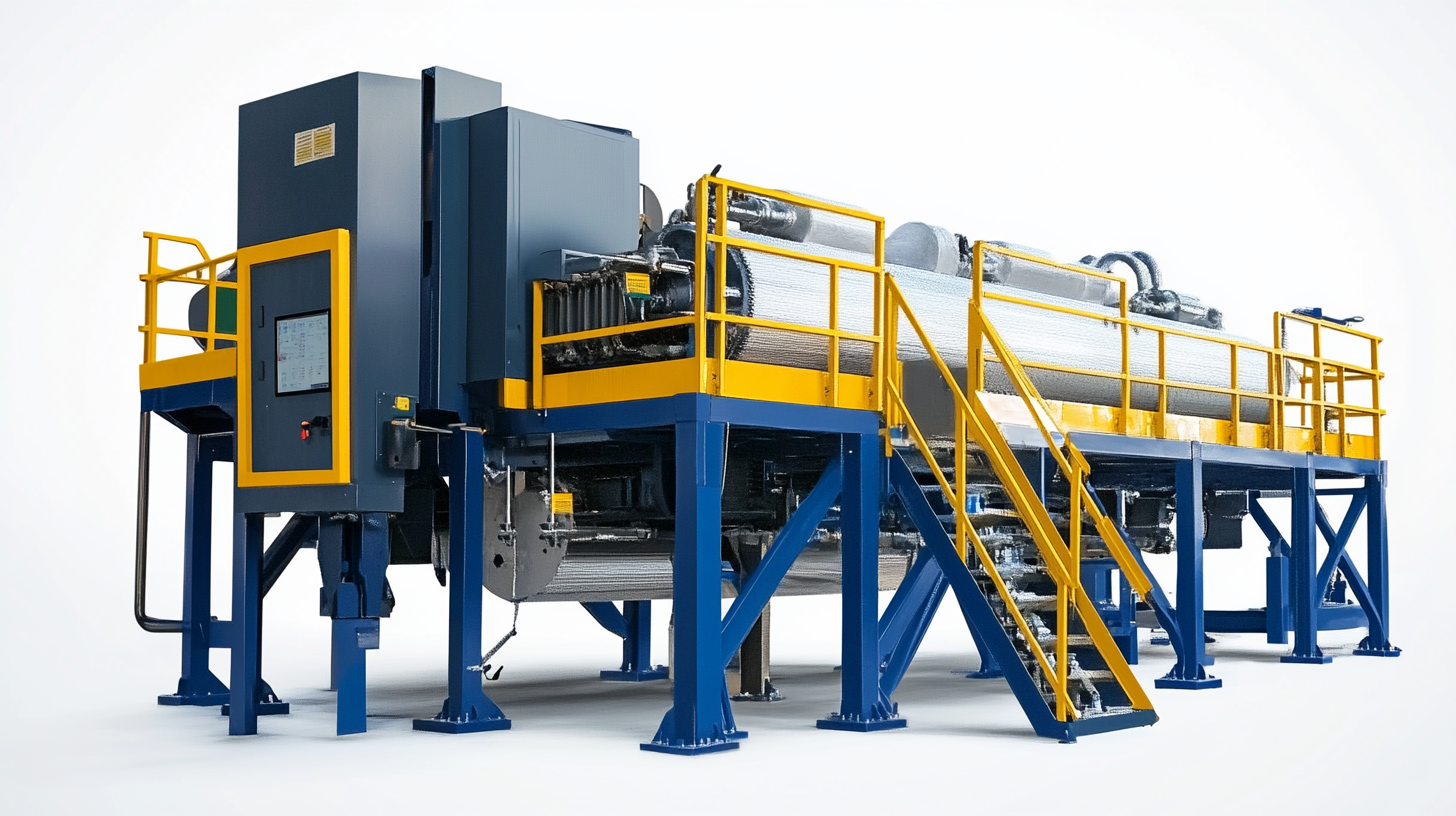
Bridging high levels of efficiency and improved performance in the development of plastic sheet extrusion really requires a proactive approach toward operation and maintenance practices. Regular maintenance may not only save the cost of downtime but also, in different ways improve the service life of the extruder machinery. One of their key methods is the introduction of the predictive maintenance system that is in charge of monitoring performance of equipment in real-time. Predictive maintenance is an online view of sensor data that helps in knowing failure early, and it timely repairs actions without disrupting production.
Operator training also contributes much to maintaining this efficiency. Well-trained personnel knowing good operational and maintenance practices of the equipment would be better in work handling with fewer operational mishaps. Conducting regular workshops and refresher programs would continuously keep updating the team with the latest techniques and technologies to optimize the extrusion process further.
Lastly, a clean working environment and good lubrication of the working parts would be one fundamental practices for effective operations, and that is a clean environment so possibly contamination from the material can enter the production process. Good lubrication would minimize wearing on the moving parts. All these factors combined with advanced monitoring techniques and a skillful staff create a solid structure under which an efficient production maximizes production in plastic sheet extrusion operations.
The new age of plastic manufacturing goes ever so closely with advancements in extruder technology that help increase production efficiency. Optimizing various extruder technologies, manufacturers are now able to make high-Precision Plastic sheets of a very high quality. These extruders integrate modern smart sensors to monitor and analyze production in real time to allow immediate adjustments in the extrusion process, enhancing production consistency while significantly reducing waste.
Other important innovations include energy-efficient drive systems that reduce operating costs and substitute energy input. Manufacturers can ensure the best energy usage based on the extrusion process's requirements by utilizing servo motors. These changes enhance the productivity of extruders and target sustainability goals across the globe, making it a win-win solution for both business and the environment.
Advanced materials technology has also opened the door to high-performance polymers that allow extruders to process at elevated temperatures and speeds. When combined with enhanced cooling systems, these materials provide fast production cycles without compromising either the integrity or durability of the final product. Along with these innovations, manufacturers can maximize the productivity and viability of their products in highly competitive market conditions.
Quality assurance plays an especially important role in the production of plastic sheets nowadays, as the industry turns toward more sustainable materials such as polylactic acid (PLA), a biodegradable option made from renewable plant resources. With the altering production processes adapting to and adopting more environment-friendly materials, these manufacturers must, therefore, rely on stringent quality assurance norms to avoid defects that would challenge product integrity. The defects affecting the performance of the plastic sheet naturally affect customer satisfaction and market competitiveness at large.
An application of advanced inspection technologies provides an avenue into quality assurance. Using precision optics and cleanroom handling systems, manufacturers are able to detect very tiny surface imperfections in their plastic sheets during production. This early corrective action provides enormous savings in material usage and significantly higher production efficiency. In addition, regular audits and stringent tests should be implemented to verify the condition of raw materials and the state of the production environment to ensure that standards are always being followed.
Furthermore, the establishment of a quality-oriented culture among the workforce strongly enhances defect prevention. When employees are trained on the importance of quality control and equipped with the means to recognize looming issues, a culture will grow in which everyone is responsible for high standards. By combining technology with this employee empowerment, plastic sheet manufacturers can enhance production efficiency and ensure their products meet the highest standards in an increasingly sustainability-oriented market.
The energy consumption and sustainability aspects of extrusion technology have been understood for producing plastic sheets. As industries move toward higher efficiency, energy flow within extruders becomes significant. Conventional processes of extrusion utilize energy, thus increasing cost and enlarging environmental footprint. Manufacturers can investigate energy consumption patterns to obtain improvement areas and adopt technologies that decrease power consumption without jeopardizing output quality.
Sustainability in extrusion processes does not only mean reduced energy consumption but also the use of materials and processes that are environmentally sustainable. Innovations in extrusion technology, including renewable energy sources and thermal efficiency improvements, are essential in the release of greenhouse gases. Likewise, the development of bio-based plastics and recycled materials for extrusion completes a circular economy by forming part of the sustainability profile of plastic sheet production.
By doing so, manufacturers would also be able to enhance their global positioning while being stewards of the environment. Energy-efficient design and green practices in plastic sheet extrusion will maximize efficiency in production and be at the same line with the world's current trend in responsible manufacturing. Thus, there is a dual consideration of energy and sustainability, making the industry resilient and eco-conscious.
In the extrusion technology for plastic sheets, enhanced output is prioritized with equal emphasis on sustainability. The recent trends in this sector witnessed at industry events such as the 13th Nanjing Asia Plastics Exhibition underline quite a lot of opportunities presenting themselves. The innovations in the extrusion processes will lead the manufacturers to consider greener concepts for the company, while these innovations have a good impact on production efficiency and environmental protection.
Development in the field of materials science is advancing the creation of plastic sheet production processes that emphasize sustainability. This change toward the use of recyclable inputs minimizes ecological footprints and allows companies to satisfy the growing demand for environmental-friendly products. One indicator of this shift is the increasing market acceptance of corrugated plastic board, which the market estimates to reach $2.92 billion by 2023, mainly due to its versatility and lesser environmental impact.
Smart technologies and analytics embedded in extrusion processes allow real-time monitoring and adjustments for more efficient manufacturing. In a bid to optimize operation, it can be envisaged that future extrusion technologies will automate and use artificial intelligence to set up a streamlined process that would minimize excess waste while ensuring top-notch quality control. This would sustain their market competitiveness in a rapidly changing industrial scenario.
Key maintenance practices include implementing a predictive maintenance system, providing operator training, maintaining a clean workspace, and ensuring proper lubrication of machinery components.
Predictive maintenance monitors equipment performance in real-time, allowing operators to anticipate failures and conduct timely repairs without disrupting production schedules.
Operator training ensures that staff are knowledgeable about the equipment's operational intricacies and maintenance requirements, leading to better handling and fewer operational mishaps.
Understanding and analyzing energy consumption helps manufacturers identify areas for improvement, enabling them to adopt technologies that optimize power usage and reduce operational costs and environmental impacts.
Advances in using renewable energy sources, improving thermal efficiency, and developing bio-based plastics and recycled materials contribute significantly to the sustainability profile of plastic sheet production.
Future trends will focus on maximizing output through innovations such as automation, artificial intelligence, and smart technologies, which improve efficiency, reduce waste, and enhance quality control.
The market size for corrugated plastic board is projected to reach $2.92 billion by 2023, driven by its versatility and lower environmental impact.
Energy-efficient designs help manufacturers lower operational costs and support environmental stewardship, enhancing their competitiveness in an increasingly eco-conscious market.