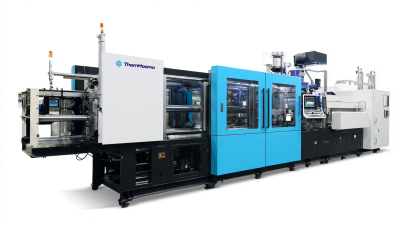
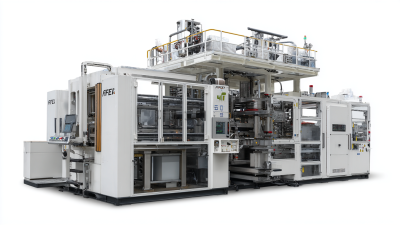
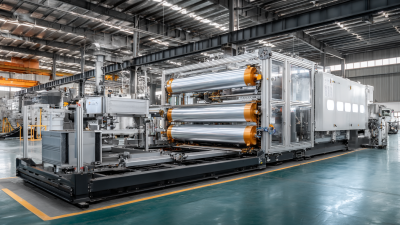
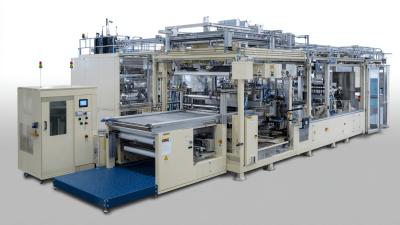
In the fast-paced world of the plastics industry, making sure your ThermoForming Machine Parts are optimized is a big deal. It’s all about boosting your production, cutting down on costs, and staying ahead of the game. Ruian Bocheng Machinery Co., Ltd., with over 15 years of hands-on experience, really knows their stuff. They’re focused on providing tailored solutions that fit the unique needs of the plastic sector. Based out of Binhai Industry in Ruian city, Wenzhou, Zhejiang Province, China, Bocheng gets how all the little machine parts add up to impact overall performance. In this article, I’ll share some practical tips and best practices for fine-tuning your Thermoforming Machine Parts. Trust me, doing so can help you get the most out of your equipment and even extend its lifespan. At the end of the day, these adjustments not only lead to better output but also support a more sustainable and profitable operation for manufacturers.
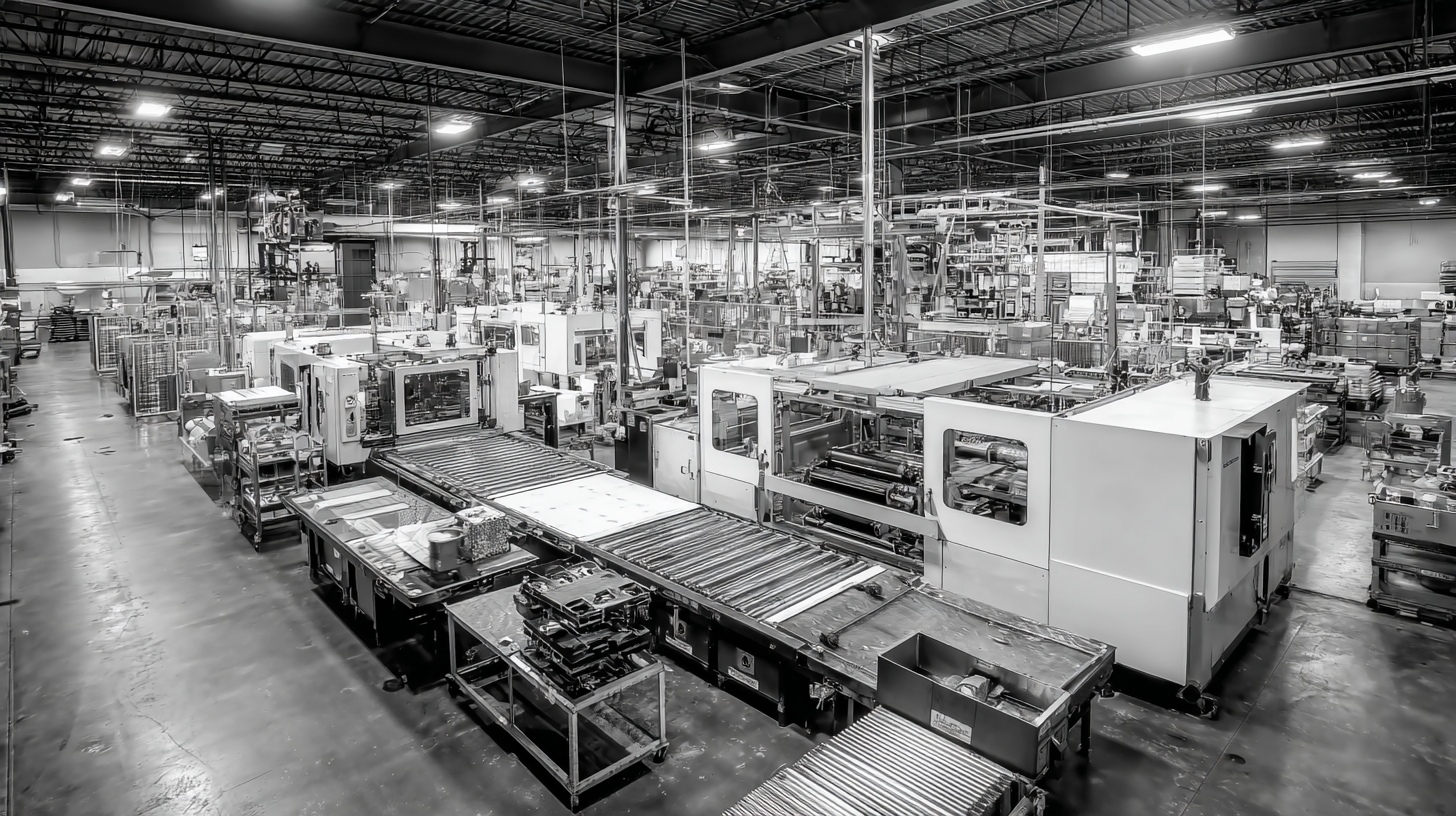
Identifying Key Components of Thermoforming Machines for Optimization
When it comes to optimizing thermoforming machine parts, it’s really about pinpointing those key components that can make or break your efficiency and overall performance. I recently read a report from the Freedonia Group that predicts the demand for thermoformed plastics will skyrocket past $20 billion by 2025. That just goes to show how important it is for manufacturers to get their machines running as smoothly and efficiently as possible, especially with such stiff competition out there. Focus areas should definitely include things like heating elements, forming tools, and vacuum systems — because these are the parts that have the biggest impact on how fast and quality your production is.
Heating elements, for instance, are crucial for bringing the material up to the right temperature for shaping. The Plastic Industry Association states that upgrading to smarter, more advanced heating tech can bump up energy efficiency by as much as 30%. Then there are forming tools, like molds and dies — they need to be dialed in so you waste less material and get consistent, reliable results every time. And let’s not forget vacuum systems. Improving their design and functionality can really speed up cycle times, as a recent study from the Society of Plastics Engineers pointed out — upgrading these systems could cut cycle times by around 15%. Basically, by zeroing in on these key parts, manufacturers can really boost their machines’ efficiency and stay competitive in this fast-moving market.
Optimization of Thermoforming Machine Parts for Maximum Efficiency
This chart represents the performance efficiency of different key components in thermoforming machines. The data illustrates the optimization levels achievable based on system maintenance and upgrades.
Assessing Material Compatibility for Enhanced Performance in Thermoforming
Figuring out which materials work best together is super important if you want your thermoforming process to run smoothly and efficiently. Picking the right type of plastic isn’t just about getting a nice-looking final product—it also plays a big role in how fast you can produce, how long your equipment lasts, and how many defects you might get along the way. Different materials have their own quirks when it comes to heat, flexibility, and strength, and these traits really affect how well they form when heat and pressure are applied. For example, thermoplastics like polycarbonate and PETG are often favored because they form easily and resist warping or deformation quite well.
To get the most out of your setup, it’s a good idea to test how different materials work with your existing thermoforming machine. Things like how easily the material melts, how quickly heat spreads through it, and how fast it cools down all matter. Doing some trial runs with various material combos can give you a better idea of what settings work best, helping you cut down on waste and save energy. Plus, understanding how each material reacts under your specific conditions means you can tweak your process—adjustting speeds, temperatures, and pressures—to make everything run even more smoothly and efficiently.
Implementing Regular Maintenance Practices for Long-lasting Machine Efficiency
Doing regular maintenance on your thermoforming machines isn’t just a good idea — it’s pretty much essential if you want them to run smoothly and last longer. I came across a report from the Association of Equipment Manufacturers (AEM) that kinda blew my mind: machines that get routine check-ups can actually boost their efficiency by up to 15%. That’s mainly because catching small issues early on means they don’t turn into bigger, more costly problems down the line. Just simple things like checking the heating parts and molds regularly can dodge malfunctions that would otherwise cause downtime. And hey, that downtime? It’s responsible for around 20% of lost productivity in manufacturing settings — not great, right?
Another thing to think about is setting up a proper maintenance schedule. The American Society of Mechanical Engineers (ASME) points out that when you keep your equipment well-calibrated and maintained, you can cut down on energy waste by as much as 25%. It’s a win-win: you save on operational costs and do your part for sustainability. Things like lubricating moving parts, inspecting regularly, and replacing worn-out components on time really help keep everything running at top speed. All in all, making maintenance a priority isn’t just about fixing stuff — it’s about keeping your machines performing at their best and getting the most out of them over the long haul.
How to Optimize Your Thermoforming Machine Parts for Maximum Efficiency
| Maintenance Practice | Frequency | Impact on Efficiency (%) | Expected Lifespan (Years) |
| Cleaning and Lubrication | Weekly | 15 | 5 |
| Inspection of Heating Elements | Monthly | 20 | 7 |
| Alignment Checks | Quarterly | 25 | 8 |
| Replacement of Worn Parts | As Needed | 30 | 10 |
| Software Updates | Annually | 10 | 5 |
Utilizing Advanced Technology to Monitor and Improve Thermoforming Processes
You know, tech really shook up the thermoforming world, right? Manufacturers now have these cool tools that let them keep an eye on their stuff and make improvements on the fly—stuff that was pretty much impossible before. With fancy monitoring systems in place, companies can look at real-time data, which helps cut down on wasted materials quite a bit. I saw in a report from Plastics Today that using these smart monitoring techs can boost efficiency by about 20 to 30%. That’s pretty huge, especially since everyone’s trying to be more eco-friendly these days.
And get this—by adding Internet of Things (IoT) gadgets to their machines, manufacturers can actually predict problems before they cause big, costly breakdowns. The 2022 Global Thermoforming Market Report mentions that firms who’ve gone all-in on IoT saw about a 15% drop in unplanned shutdowns, keeping things running smoothly. As more companies jump on this bandwagon, they’re not only staying ahead of the game but also helping out the planet. It’s like, modern tech just kinda pushes everyone toward better, greener manufacturing—that’s pretty exciting, don’t you think?
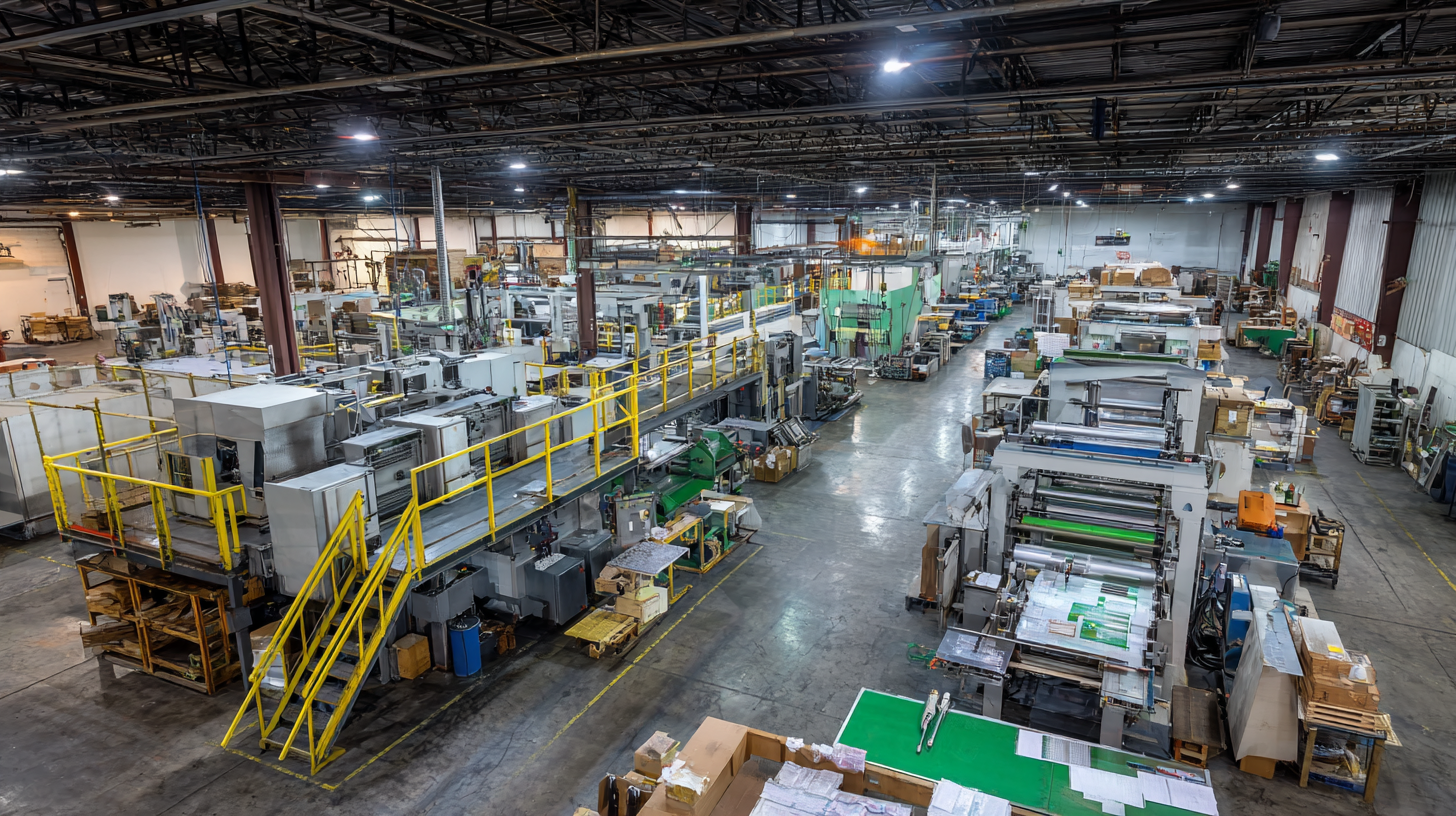
Training Operators to Maximize the Effectiveness of Thermoforming Equipment
Training operators is honestly one of those things you can't overlook if you wanna get the most out of your thermoForming Equipment. When you’ve got skilled folks behind the controls, they’re not just tweaking the machines – they’re helping cut down on waste and boost product quality, which is a win-win.Shae Chauhan, a real expert in thermoforming, points out that knowing the difference between pressure forming and vacuum forming can make a huge difference in how smoothly everything runs. It’s super important for operators to understand which method works best for different materials and product designs—otherwise, you might be shooting in the dark.
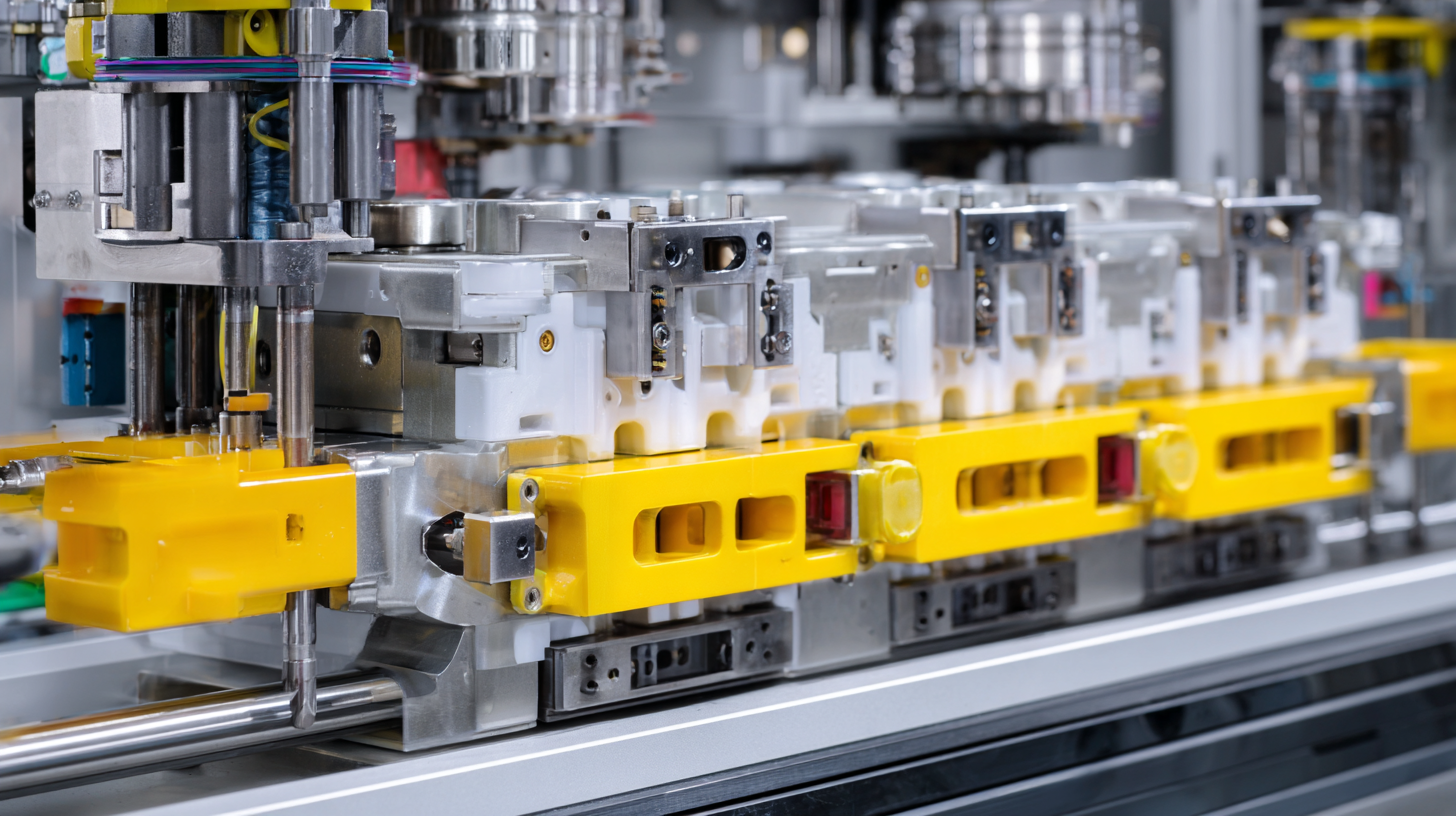
So, a good tip? Get your team involved with hands-on workshops that cover not just how to operate the machines but also what to do when things go wrong. And don’t forget—creating an environment where operators feel comfortable asking questions and sharing ideas makes a big difference. Regular training sessions combined with performance reviews help spot areas where they can improve and help everyone stay current with the latest techniques and tech.
On top of that, with the demand for skilled workers skyrocketing, especially in maintenance roles where people can really earn a decent salary, it’s smart for companies to invest in ongoing education and career growth. Not only does this make your team more effective, but it also keeps folks happy and more likely to stick around. Building that kind of workforce isn’t just good for business, it’s essential for keeping your thermoforming process running smoothly and efficiently.
Reducing Waste and Energy Consumption in Thermoforming Operations
When it comes to making thermoforming machine parts more efficient, I think one of the main focuses should be on cutting down waste and cutting back on energy use. You've probably noticed how the thermoforming plastic market is booming—it's expected to jump from around $16.66 billion in 2025 to over $24 billion by 2030. That kind of growth really shows how the industry is leaning more into automation and circular economy practices. These changes aren’t just about speeding things up; they also help cut down on the material you're wasting and the energy you consume during production, which is pretty awesome.
By adopting smarter tech—like energy-efficient thermoforming machines and using recyclable materials—you can seriously lower your carbon footprint. For example, some new methods are showing up to 50% savings on materials, proving that innovative ideas really do make a difference when it comes to saving resources and cutting costs. Plus, we've seen exciting progress in eco-friendly packaging, especially in pharma and food sectors. All of this points to a bigger shift toward greener practices, highlighting the importance of mixing sustainable materials and methods into your thermoforming processes for better performance—and a happier planet too.
FAQS
: Regular maintenance is crucial for thermoforming machines as it can lead to a 15% increase in operational efficiency by allowing for the timely identification and rectification of potential issues, preventing greater problems and malfunctions.
Routine maintenance can significantly reduce downtime, which accounts for an average of 20% lost productivity in manufacturing environments, by ensuring that critical components are functioning correctly and preventing catastrophic failures.
Recommended maintenance practices include lubrication, inspection, and timely replacement of worn parts, as well as regular checks on critical components like heating elements and molds to ensure machines operate at peak performance.
Proper maintenance and calibration of equipment can prevent energy waste by up to 25%, which not only helps in reducing operational costs but also contributes to sustainability efforts in the manufacturing sector.
Advanced technology enables manufacturers to monitor their processes in real-time, which can lead to a 20-30% increase in efficiency and a significant reduction in material waste, essential for sustainable production practices.
Integrating Internet of Things (IoT) devices into thermoforming machinery allows for predictive maintenance, ensuring that issues are resolved before they lead to costly unplanned downtime, which has been reduced by 15% in firms utilizing these technologies.
Regular maintenance and advanced monitoring not only maximize machine efficiency but also support sustainability goals by reducing energy waste and material costs, leading to more eco-friendly production practices.
A structured maintenance schedule enhances thermal efficiency, ensuring equipment operates optimally and prevents energy waste, which can further support manufacturers’ operational and sustainability objectives.
Utilizing advanced monitoring can significantly enhance production output by reducing material waste and improving efficiency, essential for meeting the rising demand for sustainable manufacturing.
Manufacturers gain a competitive edge by improving operational efficiency, reducing costs, promoting sustainability, and ensuring better operational continuity, all of which are vital in a rapidly evolving market.
Conclusion
Optimizing the parts of your thermoforming machine is pretty much essential if you want things to run smoothly and efficiently. You really need to identify the key components and check if their materials are compatible — that way, you'll get better performance out of your equipment. Don’t forget, regular maintenance is a must; it helps extend the lifespan of everything and keeps things ticking without unexpected breakdowns. Plus, using some of the latest tech tools to monitor and fine-tune your thermoforming processes can make a real difference and lead to continuous improvements.
Training your operators properly is also a big deal — you want them to be confident and knowledgeable about the best practices and how to get the most out of the machinery. On top of that, focusing on cutting down waste and lowering energy use isn’t just good for the environment; it saves money too. At Ruian Bocheng Machinery Co., Ltd., we draw on over 15 years of experience in the industry to offer solid solutions that help improve productivity, optimize machine parts, and meet our clients' needs efficiently.