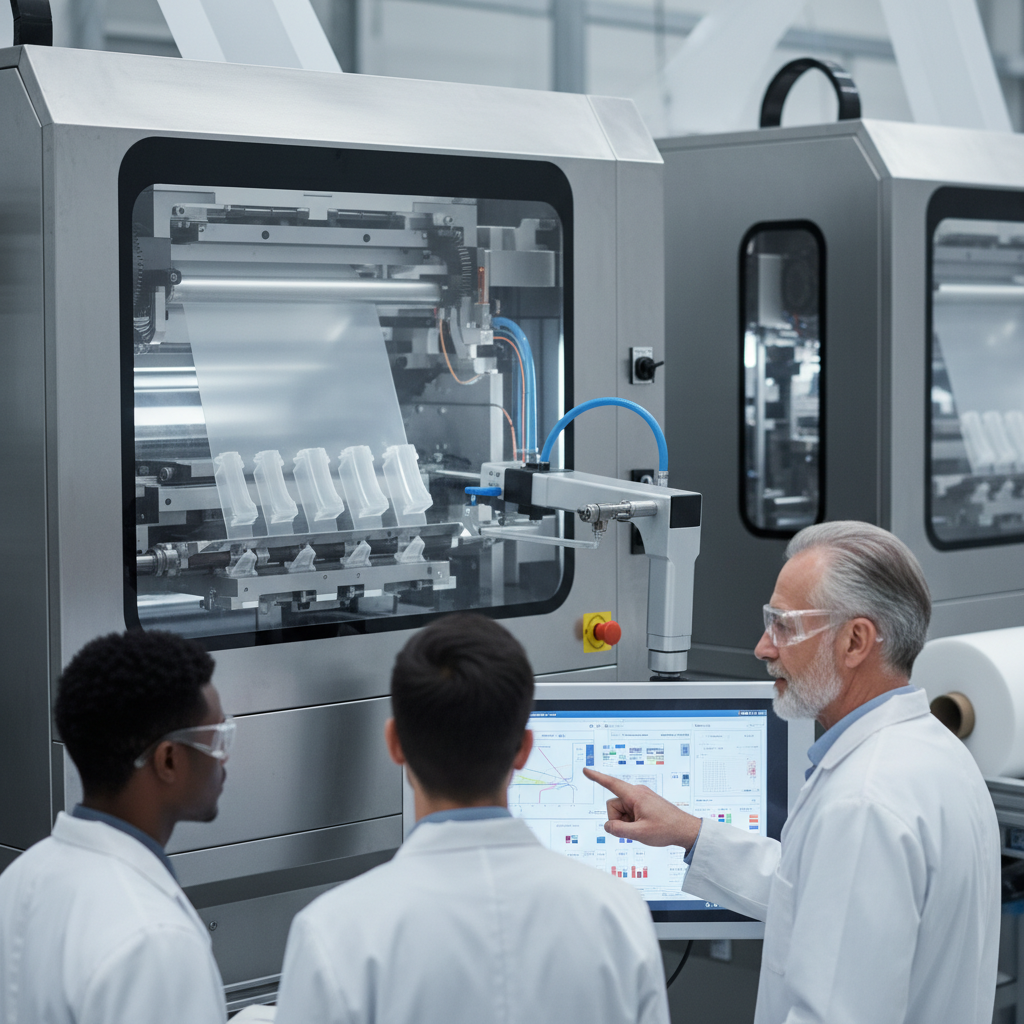
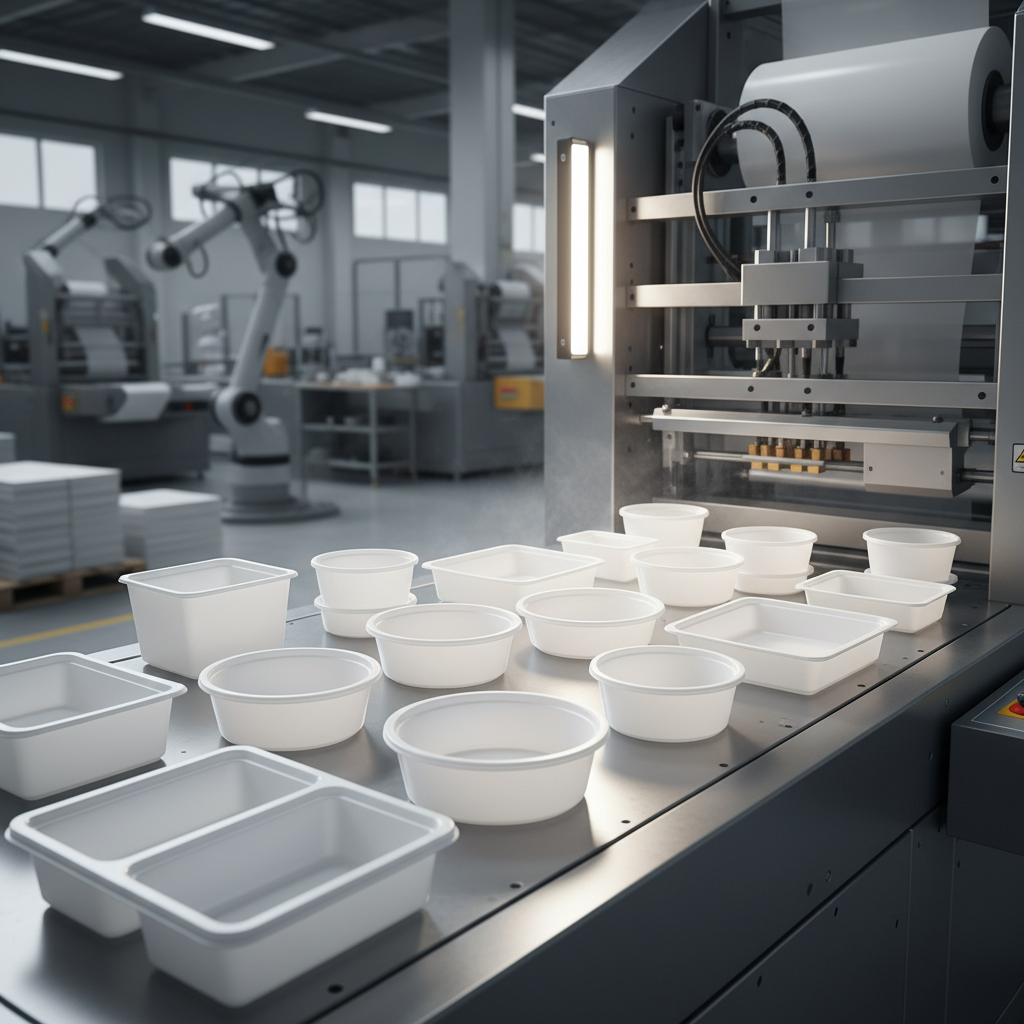
In today’s fast-changing world of manufacturing, really getting the most out of your Pp Plastic ThermoForming Machines is more important than ever for companies that want to boost efficiency and cut costs. Dr. John Smith, a well-known expert at ThermoTech Innovations, puts it like this: 'Getting the best from these machines not only speeds things up but also really improves the quality of the final products.' It’s true — as demand for high-quality plastic parts keeps climbing, understanding how these machines work can give you a real edge over the competition.
In this article, I’ll share five handy tips for businesses looking to make the most of their Pp Plastic Thermoforming Machines. By pinning down the right strategies, manufacturers can see big improvements in both speed and precision, which of course means better overall operations and happier customers.
Since accuracy and cost savings are super important in this industry, I hope these insights help operators and managers alike to unlock the full potential of their machines, sparking innovation and driving success in their manufacturing journey.
Understanding Pp Plastic Thermoforming: Key Market Statistics and Trends
Polypropylene (PP) plastic thermoforming is gaining significant traction in various industries due to its lightweight, durable, and recyclable nature. Recent market statistics reveal a robust growth trend, with the Pp Thermoforming sector projected to expand at a compound annual growth rate (CAGR) of around 6% over the next five years. This upward trend can be attributed to the increasing demand for sustainable packaging solutions, driven by consumer awareness and regulatory pressures aimed at reducing plastic waste.
Key market trends indicate a heightened focus on technological advancements in thermoforming machinery. Manufacturers are investing in automation and energy-efficient equipment to improve production efficiency and reduce operational costs. Additionally, there is a growing emphasis on customization, allowing businesses to cater to specific client needs while enhancing the quality of their products. As industries such as food packaging, automotive, and consumer goods continue to embrace PP thermoforming, staying informed on these developments can position companies to leverage new opportunities effectively.
Optimizing Machine Settings: The Impact of Temperature and Pressure on Cycle Time
When it comes to Pp plastic thermoforming, the optimization of machine settings, particularly temperature and pressure, plays a crucial role in determining cycle time and overall efficiency. Research from the Thermoforming Division of the Society of Plastics Engineers indicates that adjusting the temperature within an optimal range can dramatically reduce the time taken per cycle, increasing production rates by up to 20%. The ideal forming temperature for Pp materials usually ranges between 150°C and 220°C, depending on the thickness of the sheet and the specific machine capabilities. This precise control not only enhances the quality of the final product but also minimizes the risk of defects that can arise from incorrect settings.
Pressure is another vital factor that can significantly affect cycle time. Higher pressures facilitate faster material flow and improved mold filling, leading to shorter cycle durations. Valuable industry data suggests that establishing the right pressure levels can decrease cycle time by approximately 15-25%. However, it's essential to find a balance, as excessive pressure can cause material wastage and increase wear on the machine components. Therefore, understanding the interplay between temperature and pressure settings is key for manufacturers aiming to maximize efficiency and output in their thermoforming processes.
5 Essential Tips for Maximizing Efficiency with Pp Plastic Thermoforming Machines
| Tip | Optimal Temperature (°C) | Optimal Pressure (psi) | Cycle Time (seconds) | Material Type |
| Adjust Temperature Settings | 180 | 30 | 30 | PP |
| Monitor Pressure Levels | 200 | 50 | 25 | PS |
| Optimize Cooling Time | 160 | 40 | 35 | PVC |
| Consistency in Material Thickness | 180 | 45 | 28 | PET |
| Regular Machine Maintenance | 190 | 35 | 22 | HIPS |
Enhancing Operator Training: Evidence of Productivity Gains in Thermoforming Operations
Effective operator training is crucial for maximizing productivity in thermoplastic thermoforming operations. In the fast-paced plastic industry, especially for companies like Ruian Bocheng Machinery Co., Ltd., enhancing the skill set of operators can lead to significant gains in efficiency. By providing comprehensive training programs tailored to the functionalities of Pp plastic thermoforming machines, operators become adept at eliminating bottlenecks and minimizing downtime, ultimately contributing to smoother workflows and improved output.
Ruian Bocheng Machinery, with over 15 years of experience, understands the direct correlation between operator proficiency and machine performance. Investing in regular training sessions not only familiarizes staff with the latest technology and techniques but also fosters a culture of continuous improvement. Engaging operators in troubleshooting and preventive maintenance equips them with the knowledge needed to optimize machine functions and reduce error rates. Ultimately, a well-trained team is essential for harnessing the full potential of thermoforming machines, leading to sustainable productivity and growth in the competitive plastic industry.
Material Selection Strategies: Cost-Benefit Analysis of Pp Grades for Efficiency
Material selection plays a pivotal role in the efficiency of PP plastic thermoforming processes. Not all polypropylene (PP) grades are created equal; each type offers distinct thermal properties, strength, and cost implications that can significantly impact production outcomes. When conducting a cost-benefit analysis, manufacturers should consider not only the immediate material costs but also how different grades influence cycle times, waste rates, and the quality of the final product. This comprehensive approach ensures that the chosen material complements the specific requirements of the thermoforming project.
For instance, high-impact PP grades might come at a premium price but could enhance product durability and reduce the need for post-processing, ultimately saving on overall costs. Conversely, selecting lower-cost PP grades could lead to increased material waste and longer cycle times due to inferior thermal properties. Therefore, understanding the characteristics of various PP grades allows businesses to make informed decisions that optimize both cost and efficiency, maximizing the performance of their thermoforming machines in the long run.
Implementing Preventive Maintenance: Industry Standards for Reducing Downtime in Thermoforming
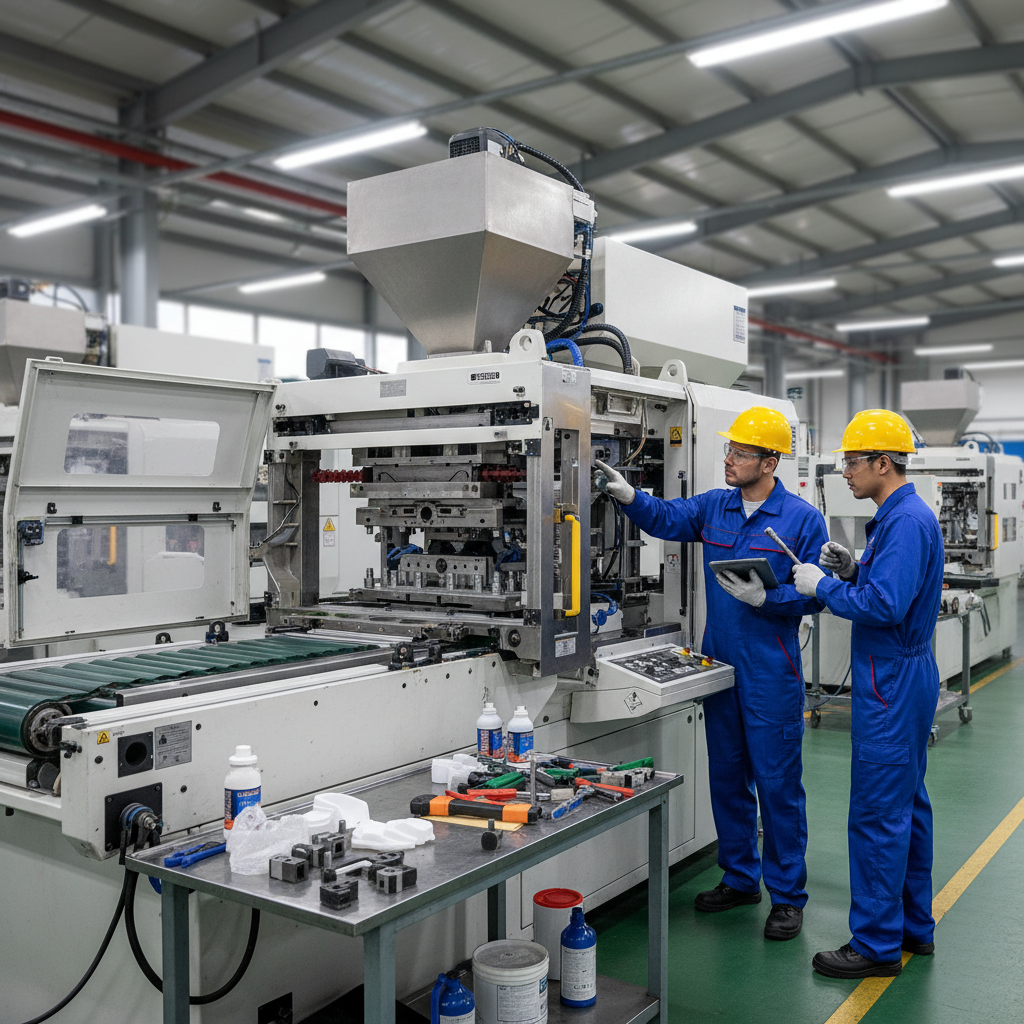
Implementing preventive maintenance is crucial for reducing downtime in thermoforming processes. According to a report by the Association of Plastics Manufacturers, equipment failures can cause up to 30% of production downtime. Regular maintenance not only helps to catch potential issues before they escalate but also extends the lifespan of your Pp plastic thermoforming machines. Following industry standards for preventive maintenance can significantly enhance operational efficiency and product quality.
One of the essential tips for maximizing efficiency with Pp plastic thermoforming machines is to establish a routine maintenance schedule. This should include checking critical components like temperature sensors and heating elements to ensure optimal performance. Additionally, incorporating predictive maintenance technologies, such as vibration analysis and thermal imaging, can help identify issues before they lead to machine failures.
Another important tip is to invest in ongoing training for your operators. Well-trained staff can better recognize signs of wear and tear on machines, enabling swift responses that minimize downtime. A study from the Society of Plastics Engineers indicates that companies implementing regular training programs saw a 25% reduction in operational interruptions, highlighting the value of skilled personnel in maintaining productivity continuity.
Leveraging Automation: Data on Increased Throughput and Resource Savings in Production
The integration of automation in the operation of PP plastic thermoforming machines is a game-changer for production efficiency. Recent data highlights that companies utilizing automated systems have reported up to a 30% increase in throughput. By streamlining processes such as material handling, control systems, and production line monitoring, automation minimizes human error and maximizes production consistency. This not only allows for quicker turnaround times but also facilitates the handling of larger volumes, ultimately leading to a more responsive manufacturing environment.
Additionally, automation contributes to significant resource savings. By optimizing machine performance and reducing waste, manufacturers can see a decrease in raw material costs by as much as 20%. The precision offered by automated systems ensures that each product is created with minimal excess, thus improving overall sustainability. Furthermore, enhanced monitoring capabilities enable real-time adjustments based on production demands, further enhancing resource efficiency. Embracing automation not only boosts productivity but also paves the way for a more sustainable and economically viable production future.
Maximizing Efficiency with the Plastic Thermoformer 3-Stations ZN650: A Comprehensive Guide to Enhanced Production Capabilities
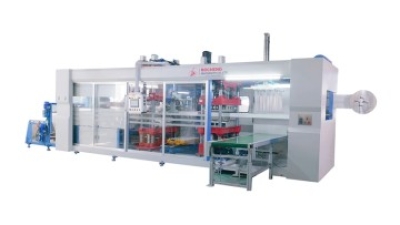
The Plastic Thermoformer 3-Stations ZN650 stands as a testament to modern engineering and efficiency in production. With advanced automation systems that operate through two independent servo motors at each station, this machine not only enhances the speed of the production process but also optimizes the overall workflow. Designed to form various materials including PP, PET, PS, PVC, PE, OPS, and even biodegradable materials, the ZN650 caters to diverse industrial needs. Its impressive maximum forming area of 760x650 mm and depth of 120 mm allows for versatile applications, supporting up to 40 molds per minute to maximize output without compromising quality.
By integrating cutting-edge domestic molding technology with international advancements, the ZN650 effectively reduces labor costs, minimizes secondary pollution, and conserves materials. The robust steel box frame ensures durability and stability, eliminating deformation which is vital in maintaining product integrity and operational reliability. The machine's functionality is further enhanced by its user-friendly design, featuring a sliding door for easy access and maintenance, making it an invaluable asset for firms looking to streamline their production line in sheet thermoforming and automatic die cutting.
FAQS
: Material selection is crucial because different polypropylene (PP) grades have distinct thermal properties, strength, and cost implications that significantly impact production outcomes.
Manufacturers should consider immediate material costs, as well as how various grades influence cycle times, waste rates, and the quality of the final product to ensure optimal efficiency.
High-impact PP grades may enhance product durability and reduce the need for post-processing, potentially saving overall costs in the production process.
Selecting lower-cost PP grades can lead to increased material waste and longer cycle times due to their inferior thermal properties.
Preventive maintenance is vital as it helps reduce downtime, catches potential issues early, and extends the lifespan of PP plastic thermoforming machines.
Manufacturers should establish a maintenance schedule that includes checking critical components like temperature sensors and heating elements for optimal performance.
Predictive maintenance technologies like vibration analysis and thermal imaging can identify issues before they result in machine failures, enhancing operational efficiency.
Ongoing training for operators enables them to recognize signs of wear and tear on machines, allowing for quick responses that minimize downtime.
Companies that implement regular training programs can experience a 25% reduction in operational interruptions, highlighting the importance of skilled personnel.
Equipment failures can account for up to 30% of production downtime, making preventive maintenance essential.
Conclusion
The article "5 Essential Tips for Maximizing Efficiency with Pp Plastic Thermoforming Machines" offers insightful strategies to enhance the productivity of thermoforming operations. It begins with an overview of market trends, emphasizing the importance of understanding the landscape of Pp plastic thermoforming. Key technical aspects, such as optimizing machine settings through precise control of temperature and pressure, are highlighted to minimize cycle times.
Furthermore, enhancing operator training is crucial, as skilled personnel can significantly improve efficiency. The article also discusses material selection strategies, focusing on a cost-benefit analysis of various Pp grades to ensure optimal performance. Implementing preventive maintenance based on industry standards helps reduce downtime, while leveraging automation presents opportunities for increased throughput and resource savings. With over 15 years of experience, Ruian Bocheng Machinery Co., Ltd. is dedicated to providing innovative solutions in the plastic industry, making these efficiency tips highly relevant for users of Pp Plastic Thermoforming Machines.