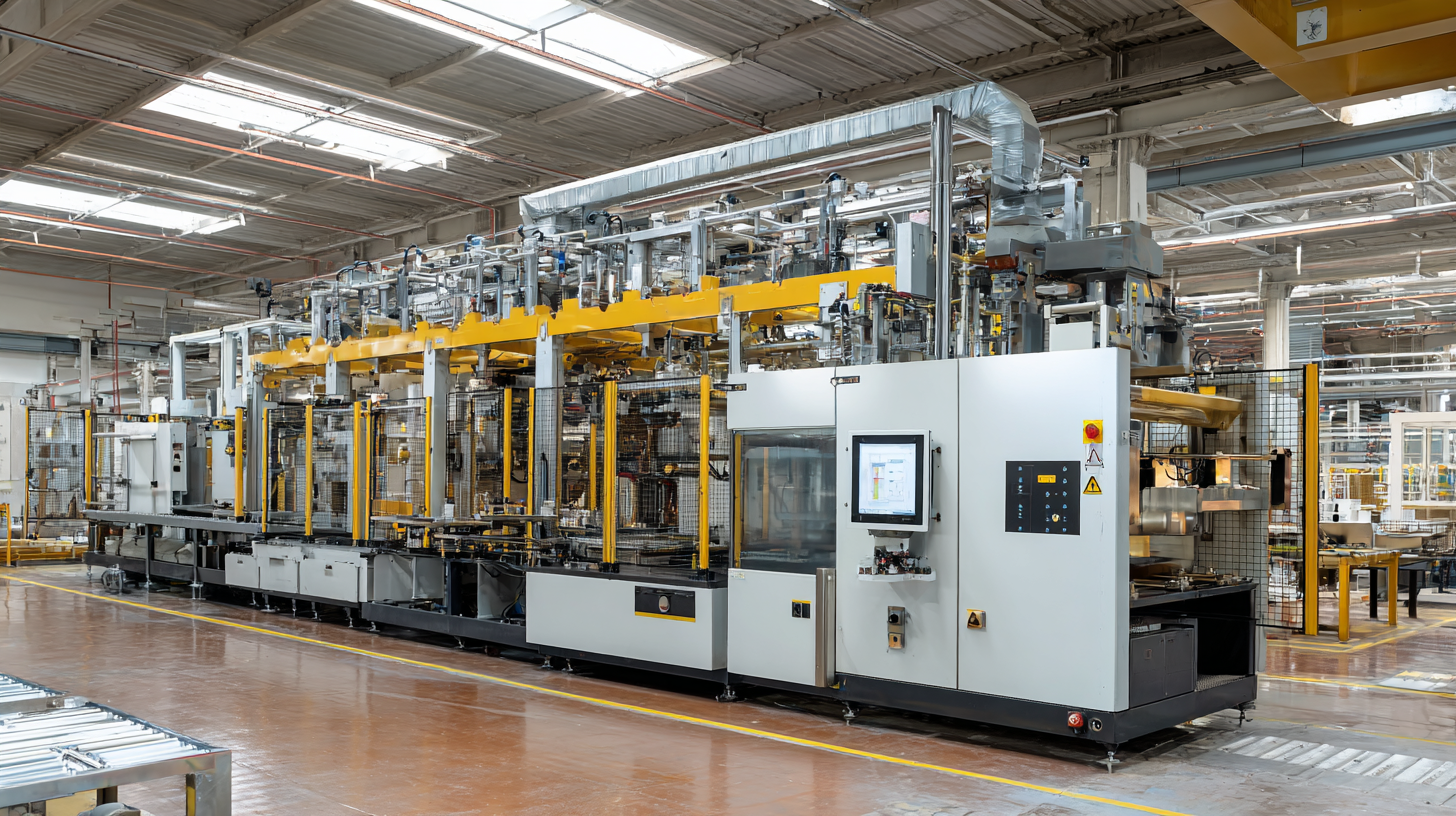
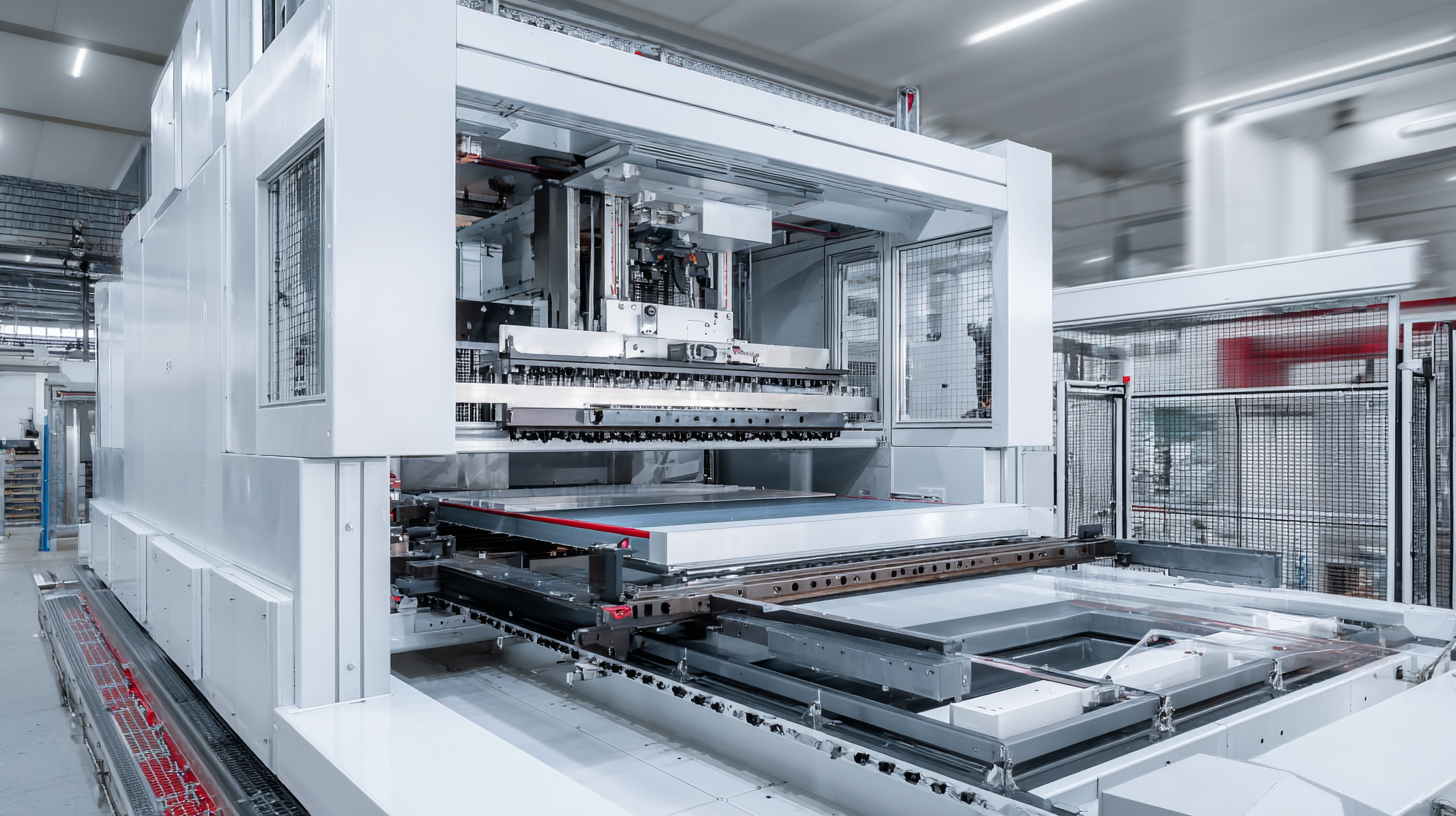
In the fast-moving world of plastic manufacturing, staying on top of your production processes is pretty much essential if you wanna stay competitive and meet the growing market demands. I’ve seen reports lately that the global market for Automatic ThermoForming Machines is set to really take off — expected to hit around $6.3 billion by 2025. That growth is mostly thanks to tech improvements and the rising need for smarter, more efficient packaging solutions.
Ruian Bocheng Machinery Co., Ltd., with over 15 years under their belt, is a major player in this space, offering pretty much all the solutions you could need for the plastic industry. As companies look to boost efficiency and cut costs, it’s more important than ever to understand how to make the most of these machines.
So, I’ve put together a quick guide with seven key tips to help you get the best performance and productivity out of your Automatic Thermoforming Machines — so your operations can stay ahead of the game.
Maximizing Production Output: Understanding the Speed of Automatic Thermoforming Machines
Automatic thermoforming machines are really changing the game in the packaging world, boosting production like crazy. If you look at a report from Grand View Research, it’s pretty impressive—the global thermoforming market is expected to hit around $48 billion by 2025, growing at roughly 4.5% a year. This kind of growth just shows how important efficiency is for companies trying to get more out of their machines while keeping costs down. Knowing how fast your machine can run is key — the best automatic Thermoformers can hit over 20 cycles per minute, which really helps with high-volume jobs.
To get the most out of these machines, there are a few tips worth keeping in mind. First off, regular maintenance is a total game-changer — it keeps things running smoothly and cuts down on unexpected downtime. Secondly, streamlining how you handle materials can make a big difference — quick changeovers between runs mean less waiting around. And if you’re using smart software to monitor the process, you can spot bottlenecks early and tweak things on the fly to keep everything moving fast.
With these tricks up your sleeve, your business can really unlock the full potential of automatic thermoforming machines, boosting both productivity and profits in the process.
7 Essential Tips for Maximizing Efficiency with Automatic Thermoforming Machines
| Tip Number | Tip Description | Expected Efficiency Gain | Implementation Difficulty |
| 1 | Regular Maintenance of Machines | 15% | Low |
| 2 | Optimizing Material Usage | 10% | Medium |
| 3 | Operator Training | 20% | Medium |
| 4 | Effective Workflow Design | 25% | High |
| 5 | Software Updates | 5% | Low |
| 6 | Quality Control Procedures | 15% | Medium |
| 7 | Regular Performance Reviews | 10% | Low |
Reducing Material Waste: Key Strategies for Efficient Thermoforming Processes
Getting the most out of thermoforming really boils down to being efficient—that's how you cut down on waste and make your production more sustainable. A good starting point? Tuning your machine settings just right—things like temperature, pressure, and cycle time. When these are dialed in properly, you’ll notice a big drop in scraps and defective parts. Not only does that save materials, but it also helps keep costs down. It’s kinda satisfying when you see those numbers improve, right?
Another thing to keep in mind is the importance of regular maintenance and calibration of your thermoforming machines. If you keep your equipment in tip-top shape, it’ll perform more consistently and is less likely to break down or produce extra waste. Plus, installing some real-time monitoring tools can be a game-changer—those systems give you instant data, so you or your team can tweak things on the spot instead of waiting till problems pile up.
And here’s a bonus tip: look into using advanced materials that work better for forming. They often allow you to use thinner walls and less material overall, which directly helps cut down waste. By combining all these strategies, you’re not just boosting efficiency—you’re also taking steps toward a greener, more sustainable way of making plastics. It’s all about working smarter, not harder, and doing your part for the environment while you’re at it.
Energy Consumption Insights: How Automatic Machines Lower Operating Costs
In the world of manufacturing, energy consumption is a pretty big deal because it directly hits the operating costs. You know, automatic thermoforming machines are really turning heads these days—they've proven to be a real game changer by cutting down energy use a lot compared to the old-school methods. I read a report from the Department of Energy that says these modern machines can slash energy consumption by up to 40%. That’s mainly thanks to some cool tech improvements that make both heating and the production process much more efficient. Things like energy recovery systems and smarter heating zones help minimize waste, which is pretty awesome.
And here’s the kicker — with smart tech embedded in these machines, you can actually monitor things in real-time and tweak settings on the fly to save even more energy. The American Society of Mechanical Engineers even found that facilities using these automated systems often see about a 25% drop in energy costs each year. That’s a big deal—not just for the company's bottom line, but also for being more eco-friendly. If you're looking to get the most out of your manufacturing setup, jumping on the automatic thermoforming bandwagon could be a smart move. It helps you lower energy use without sacrificing the quality of your output. Tough to beat, right?
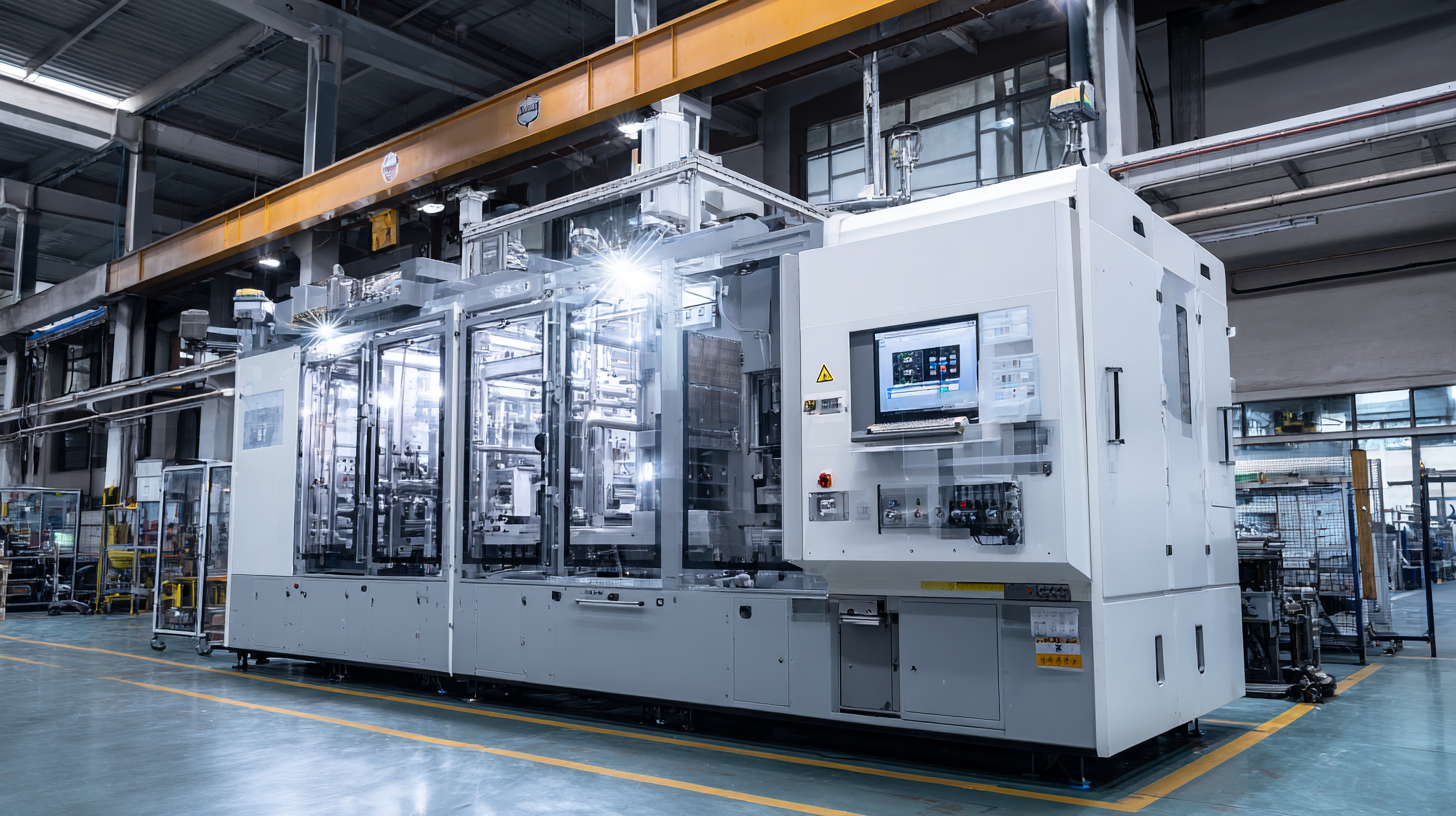
Streamlining Setup Times: Best Practices for Quick Changeovers in Thermoforming
Hey, in the fast-moving world of plastic manufacturing, trimming down setup times for automatic thermoforming machines is super important if you want to keep up with the competition and stay efficient. I came across a study from Grand View Research that mentions the global thermoforming market is projected to hit around $64.58 billion by 2025—that really shows how much companies need to streamline their processes. Faster changeovers not only boost how much you can produce but also cut down on waste and make everything run smoother overall.
To make those changeovers quicker, manufacturers generally recommend some best practices—like
standardizing setup procedures and
using quick-release tooling. Industry reports suggest that companies who adopt these strategies see up to a
30% drop in downtime during change periods. At Ruian Bocheng Machinery Co., Ltd., we've been specializing in delivering complete solutions tailored specifically for the plastic industry. With more than 15 years under our belt, we provide clients with advanced machinery that makes switching between production runs much smoother, helping them stay competitive in a constantly changing market.
Basically, investing in
automation and training your team with the right techniques can really make a difference in how your thermoforming operations perform. Keeping up with new tech and being open to
innovation not only adds value but also puts your business in a good spot to take advantage of growth opportunities down the line.
Quality Control Metrics: Ensuring Consistency in Automatic Thermoformed Products
When it comes to automatic thermoforming, quality control really is a big deal. At Ruian Bocheng Machinery Co., Ltd., we truly believe that keeping a close eye on each step of the process is key to making sure the final products are consistent and reliable. That’s why we put a lot of focus on solid quality checks — things like measuring dimensions, inspecting surface finishes, and checking material thickness. These little details make a huge difference in upholding high standards.
To really get consistent results, using precise automation and analyzing data throughout the production line are essential. Regularly calibrating your machines and making sure operators are well-trained on quality procedures also go a long way. With over 15 years of experience in the plastics industry, we’ve put together some pretty comprehensive solutions that don’t just boost efficiency—they also put quality front and center. At Ruian Bocheng Machinery, we’re committed to providing top-notch equipment and support, helping our clients produce top-quality thermoformed products that meet even the strictest market standards.
7 Essential Tips for Maximizing Efficiency with Automatic Thermoforming Machines
The following chart showcases the quality control metrics for automatic thermoformed products. It highlights the efficiency (%) and inconsistency rate (%) for various production batches over a period of time.
Leveraging Automation Technology: Trends in Smart Thermoforming Solutions
As the packaging world keeps changing, automation tech is really becoming a game-changer for thermoforming processes. More and more companies are jumping on the bandwagon with smart packaging machines that come with cool features like better connectivity and real-time data analysis. This shift towards automation doesn't just make things smoother—it actually helps manufacturers make smarter decisions based on solid data, which boosts overall productivity. With the demand for seamless, more efficient packaging growing rapidly, using these kinds of technologies is pretty much a must now.
Looking at the trend, the end-of-line packaging market is set to soar, hitting around USD 9.50 billion by 2033. This huge growth just shows how much companies are relying on automation to keep up with the accelerating needs across sectors like food, healthcare, and industrial packing. Going for smart thermoforming solutions doesn’t just make operations more efficient; it also helps cut down on material waste and makes things more sustainable — a win-win. Keeping up with these automation advances is key for manufacturers wanting to stay competitive in this fast-changing market landscape.
FAQS
: The global thermoforming market is projected to grow at an annual rate of 4.5%, reaching $48 billion by 2025.
Top-of-the-line automatic thermoforming machines can operate at speeds exceeding 20 cycles per minute.
Manufacturers can reduce downtime by investing in regular maintenance of their machines.
Best practices like implementing standardized setups and utilizing quick-release tooling systems can streamline setup times.
Manufacturers implementing quick changeover strategies have experienced up to a 30% reduction in downtime during changeovers.
Quality control is crucial for ensuring the consistency and reliability of the final products, helping to identify potential issues early and reduce waste.
Essential metrics include dimensional accuracy, surface finish, and material thickness.
Consistent results can be achieved through precision automation, data-driven analytics, regular calibration of machines, and thorough operator training.
Investing in automation enhances efficiency, reduces waste, and helps manufacturers adapt to new techniques and market demands.
Ruian Bocheng Machinery Co., Ltd. provides advanced machinery and comprehensive solutions tailored for efficient transitions between production runs, emphasizing quality control and operational effectiveness.
Conclusion
In today's super competitive plastic industry, getting the most out of Automatic Thermoforming Machines is a must for manufacturers who want to boost production and cut costs. Knowing how fast these machines can run really matters because it directly affects how smoothly everything flows in the factory. Plus, coming up with ways to cut down on material waste not only makes operations more efficient but is also good for the environment. When you look at energy use, it’s clear that these automatic machines can really help lower operating costs, which makes investing in them pretty appealing.
On top of that, having solid strategies for quick changeovers can seriously cut down setup times. That means you can switch things up faster and stay flexible with your production lines. Maintaining consistent quality is all about sticking to strict quality control checks—this way, you know your products are meeting high standards every single time. By staying on top of the latest trends in automation and smart thermoforming tech, companies like Ruian Bocheng Machinery Co., Ltd. can stay ahead of the game, offering innovative, efficient equipment that helps their clients thrive in this industry over the long haul.