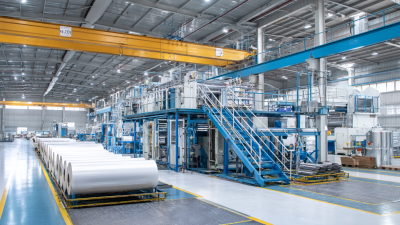
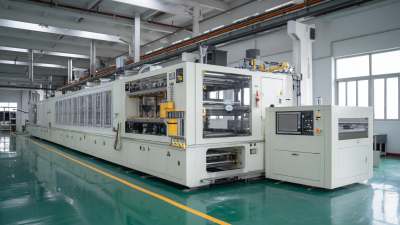
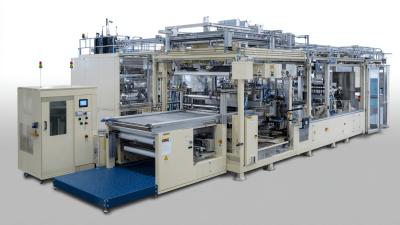
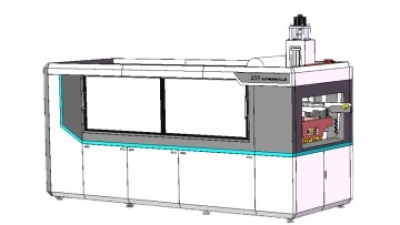
Nowadays, staying on top in the fast-changing world of manufacturing really means getting the hang of Vacuum Thermo Forming. It’s become pretty crucial if you want your business to succeed on a global scale. The market for thermoformed products is actually expected to hit over $10 billion by 2025, mainly because everyone’s looking for lightweight yet tough packaging options across different industries. At Ruian Bocheng Machinery Co., Ltd., we’ve been working in the plastic machinery game for more than 15 years, and during that time, we’ve focused on delivering top-notch products and services that really cater to what this ever-shifting market needs. We’re not just Making Machines—we’re partners in helping companies unlock the full potential of vacuum thermo forming technology. By using cutting-edge equipment and keeping up with industry trends, we’re here to help our clients boost their production, grow sustainably, and stay competitive in a crowded marketplace.

Understanding Vacuum Thermoforming: Principles and Equipment for Sourcing Success
Vacuum Thermoforming ispretty much a key player in manufacturing these days — it’s known for being efficient and super versatile when it comes to designing products. Basically, the process involves heating up plastic sheets until they’re soft enough to mold, then using vacuum pressure to shape them over a form. What’s cool is how accurately it can produce complex shapes. According to a report by Smithers Pira, the global market for thermoforming is expected to hit around $18.5 billion by 2025, thanks in large part to the rising demand in packaging, automotive, and medical device industries. If you’re in the biz, getting a good handle on how vacuum thermoforming works is pretty much essential if you want to stay competitive.
To really get ahead, you need to know your equipment — stuff like sheet feeders, ovens, and vacuum systems, all of which are crucial for getting the best results. Material choice matters too; for example, CP Films mentioned that more companies are switching to recyclable plastics in their thermoforming processes, and it’s expected that sustainable materials will make up over 30% of the market by 2024. So, by understanding both the technical details and the current market trends, businesses can step up their sourcing game and keep up with innovation on a global scale.
Key Benefits of Vacuum Thermoforming in Global Manufacturing: Data-Driven Insights
Vacuum thermoforming seems to be really catching on worldwide these days, and honestly, it’s easy to see why. It’s a pretty clever way to create lightweight yet sturdy products without breaking the bank. One of the biggest perks? It’s pretty cost-effective. Using cheaper materials and streamlined manufacturing methods, companies can cut down on costs pretty significantly. Plus, the whole process is quick — meaning manufacturers can hit tight deadlines and keep up with fast-moving market demands without breaking a sweat. In today’s rapid-paced global economy, being able to move fast and stay ahead is a total game-changer.
And let’s not forget about the design flexibility. Vacuum thermoforming makes it possible to craft all sorts of complex shapes with real precision. That’s a huge plus for industries like packaging, automotive, and consumer goods, where custom designs can really boost a product’s look and performance. Also, since more businesses are now focusing on sustainability, it’s worth mentioning that this process is eco-friendly — many of the materials used are recyclable. So, by choosing vacuum thermoforming, companies aren’t just improving their products; they’re also making a conscious move towards being greener while still delivering high quality and performance.
Overall, it’s clear that vacuum thermoforming is becoming a go-to option for many manufacturers looking to innovate, save money, and keep things eco-conscious — all at the same time.
Market Trends in Vacuum Thermoforming: Growth Projections and Demand Analysis
You know, the demand for vacuum thermoforming is really picking up, and it’s all tied to bigger market trends showing just how important it’s becoming in global sourcing. For example, by 2025, the worldwide vacuum packaging market is expected to hit around $32.9 billion, and guess what? By 2032, that number could soar to over $50 billion! That’s a pretty solid growth rate of about 6.17% per year. This big jump also reflects what's happening in the broader thermoforming plastics scene, which was valued at roughly $4.06 billion back in 2019 and is forecasted to grow at roughly 5.7% annually through 2027.
And here’s something interesting—people in the field are starting to look at new materials like fluorescence ceramics. These are especially useful in solid-state lighting because they’ve got awesome thermal conductivity and optical qualities. As industries keep evolving, the focus is really on blending these cutting-edge materials with traditional thermoforming techniques. That way, vacuum thermoforming stays relevant—helping create efficient, sustainable products across a whole bunch of different sectors.
Effective Material Selection for Vacuum Thermoforming: Performance and Cost Considerations
When it comes to vacuum thermoforming, picking the right material really matters. It's all about finding that sweet spot between performance and keeping costs in check. The material you choose directly affects the quality of the finished product, how durable it is, and whether it fits the specific needs of the job. For instance, materials like ABS and polycarbonate are pretty popular because they’re great at resisting impacts and offer a lot of visual versatility. But, on the flip side, they tend to be a bit pricier than options like PVC or PETG, which might do the job just fine depending on what you’re making.
And honestly, cost isn’t something to overlook. It’s tempting to go for cheaper materials, but that can come back to bite you with higher failure rates and the need to replace parts more often. So, it’s important to think about how the product will be used, whether it'll face harsh environmental conditions, and if it needs to meet certain standards or regulations. At the end of the day, taking the time to choose the right material carefully helps strike that perfect balance between quality and budget — which is key to making sure your products succeed, especially in today’s global sourcing world.
The Definitive Guide to Mastering Vacuum Thermo Forming
This chart illustrates the Performance and Cost Considerations in material selection for Vacuum Thermoforming. The data represents different materials and their respective performance scores and cost per unit weight.
Quality Control in Vacuum Thermoforming: Techniques and Industry Standards
In the competitive world of plastics, getting a good handle on vacuum thermoforming really makes a difference if you’re aiming for success in sourcing globally. Quality control is some serious business here—it's what keeps products performing well and keeps customers happy. Lately, industry insiders have been saying that having solid quality checks in place can cut down defects by as much as 30%. That's huge because it not only saves a good chunk of change but also makes your products last longer and stand out. Using precise measurements and sticking to standardized testing really helps ensure that what you end up with is up to the strict industry standards.

At Ruian Bocheng Machinery Co., Ltd., with over 15 years under our belt, we totally get how crucial quality is in vacuum thermoforming. Our latest manufacturing techniques follow ISO standards, so you can count on us to deliver products that often go beyond what our clients expect. Research shows that companies investing in strong quality control actually get more efficient and stay more competitive in the market. By embracing the latest tech and sticking to industry best practices, Bocheng offers customized solutions that help businesses in the plastic game produce top-notch products and provide awesome service.
Sustainability in Vacuum Thermoforming: Innovations and Environmental Impact Data
You know, vacuum thermoforming is really gaining traction these days, especially when it comes to making manufacturing a bit greener. As companies start looking for more eco-friendly ways to source and produce, this tech is becoming pretty important. Thanks to its precise shaping techniques, it helps cut down on material waste—which not only saves some cash but also really cuts down on the environmental impact. Plus, with the latest materials like bio-based plastics and recycled substrates, products made through vacuum thermoforming are looking more sustainable than ever. No wonder more businesses are choosing them for their eco-friendly initiatives!
And if you look at the data on environmental impact, it’s pretty clear—vacuum thermoforming outperforms the old-school methods in a big way. It tends to use less energy overall, which is a huge win for companies serious about going green. The process is also pretty flexible, allowing for shorter runs, which means even less waste and fewer resources thrown away. As many industries try to find that sweet spot between being good for the planet and keeping the bottom line healthy, hopping on the vacuum thermoforming bandwagon could be a smart move—helping companies stay sustainable while meeting their sourcing needs.
Overall, it’s an exciting time for this technology. It’s making manufacturing more responsible, affordable, and just a bit more in tune with our planet’s needs.
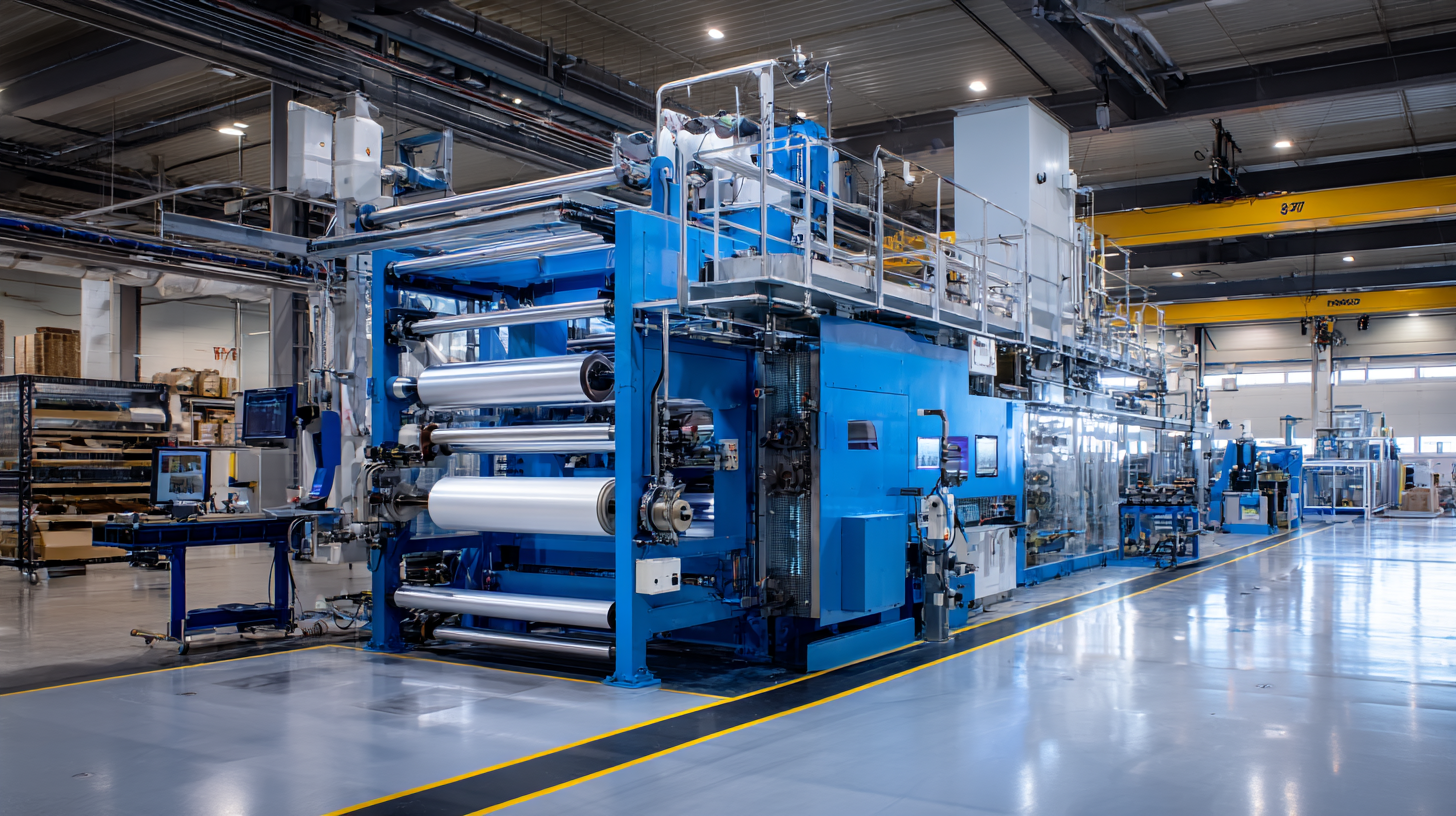
Boosting Production Efficiency: Insights from Industry Reports on the Servo Plastic Cup Forming Machine BC-S850
The BC-S850 Servo Plastic Cup Forming Machine is at the forefront of enhancing production efficiency in cup manufacturing. By utilizing a servo motor to control the forming process, this machine ensures unparalleled precision in producing high-quality cup products consistently. Unlike traditional hydraulic machines, the BC-S850's advanced technology allows for rapid adjustments, enabling manufacturers to meet varying demands without compromising on quality.
One of the standout features of the BC-S850 is its automatic feeding and stacking capabilities. These enhancements not only streamline operations but also significantly reduce labor costs, making it a cost-effective solution for businesses looking to increase output. Furthermore, the machine offers customizable settings tailored to different cup sizes and materials, allowing manufacturers to adapt easily to changing market needs. This blend of versatility and efficiency positions the BC-S850 as an essential tool for any modern manufacturing facility aiming to boost production rates and maintain consistent product quality.
FAQS
: Vacuum thermoforming is a manufacturing process that shapes plastic sheets into specific forms using heat and vacuum pressure, allowing for the production of lightweight and durable products.
The key benefits include cost-effectiveness, quick turnaround times, design flexibility, and sustainability, as it enables the use of lower-cost materials and efficient manufacturing techniques while producing high-quality products.
By utilizing lower-cost materials and efficient manufacturing techniques, vacuum thermoforming can significantly reduce production expenses, which is crucial in maintaining competitive pricing in the market.
Industries such as packaging, automotive, and consumer goods benefit from vacuum thermoforming due to its ability to create complex shapes and detailed designs that enhance product performance and appeal.
Effective quality control methods can reduce production defects by up to 30%, leading to significant cost savings and improved product durability, which directly impacts customer satisfaction.
Ruian Bocheng Machinery Co., Ltd. adheres to ISO certification standards, ensuring that their manufacturing processes consistently meet high-quality expectations.
Yes, vacuum thermoforming offers an eco-friendly alternative since many of the materials used in the process are recyclable, aligning with sustainable manufacturing practices.
Cutting-edge technology is essential in vacuum thermoforming as it enhances the precision of the manufacturing process, ensuring that products meet stringent industry standards.
In the fast-paced global economy, being able to quickly deliver products to market can provide a competitive advantage, allowing businesses to respond swiftly to customer demands and market changes.
Businesses that invest in robust quality control processes enhance operational efficiency and improve market competitiveness, leading to better product quality and customer satisfaction.
Conclusion
When it comes to global manufacturing, nailing Vacuum Thermo Forming is pretty much essential if you want to stay ahead of the game. In this post, I’ll walk you through the basics—what you really need to understand about the principles and equipment behind the process—and why it’s such a hot topic right now. Things like efficiency and saving costs are major perks, and if you look at the numbers, it’s clear that market demand is only growing. Trends and future growth projections show this isn’t slowing down anytime soon.
We also can’t forget about the materials you choose, along with quality control and sticking to industry standards. These little details make a big difference in the final results. Plus, with sustainability on everyone’s minds, we’re seeing some pretty interesting innovations that help cut down on environmental impact. Here at Ruian Bocheng Machinery Co., Ltd., with over 15 years of hands-on experience in the plastics game, we’re all about providing smart, up-to-date solutions. Our goal is to help our clients leverage vacuum thermoforming to really boost their business. After all, staying on top of these trends can make all the difference in today’s market.