Leave Your Message
The competitive field of product packaging has a large bearing upon material and method choice, which in turn influences brand perception and customer satisfaction. One of the best methods to increase product appeal is through the ingenious employment of Plastic Thermoformer technology. This technology empowers manufacturers to craft customized packaging that protects the product while appealing to consumers through attractive and modern designs. Where once it was sufficient to set their own products apart in the marketplace, it is now essential for businesses to have advanced solutions for plastic thermoforming to present their product well.
Ruian Bocheng Machinery Co., Ltd. has entered the area of plastic manufacturing for the last 15 years under continuous dedication. Our base is set up in the Binhai Industry of Ruian city, Wenzhou, Zhejiang Province, China. The combination of our extensive experience and commitment to quality has made the company a reliable partner for clients seeking the entire realm of solutions in the plastic industry. We empower businesses to take their packaging to the next level and improve their product offerings through innovative Plastic Thermoformer technologies that set the newest trends in fulfilling market requirement versatility.
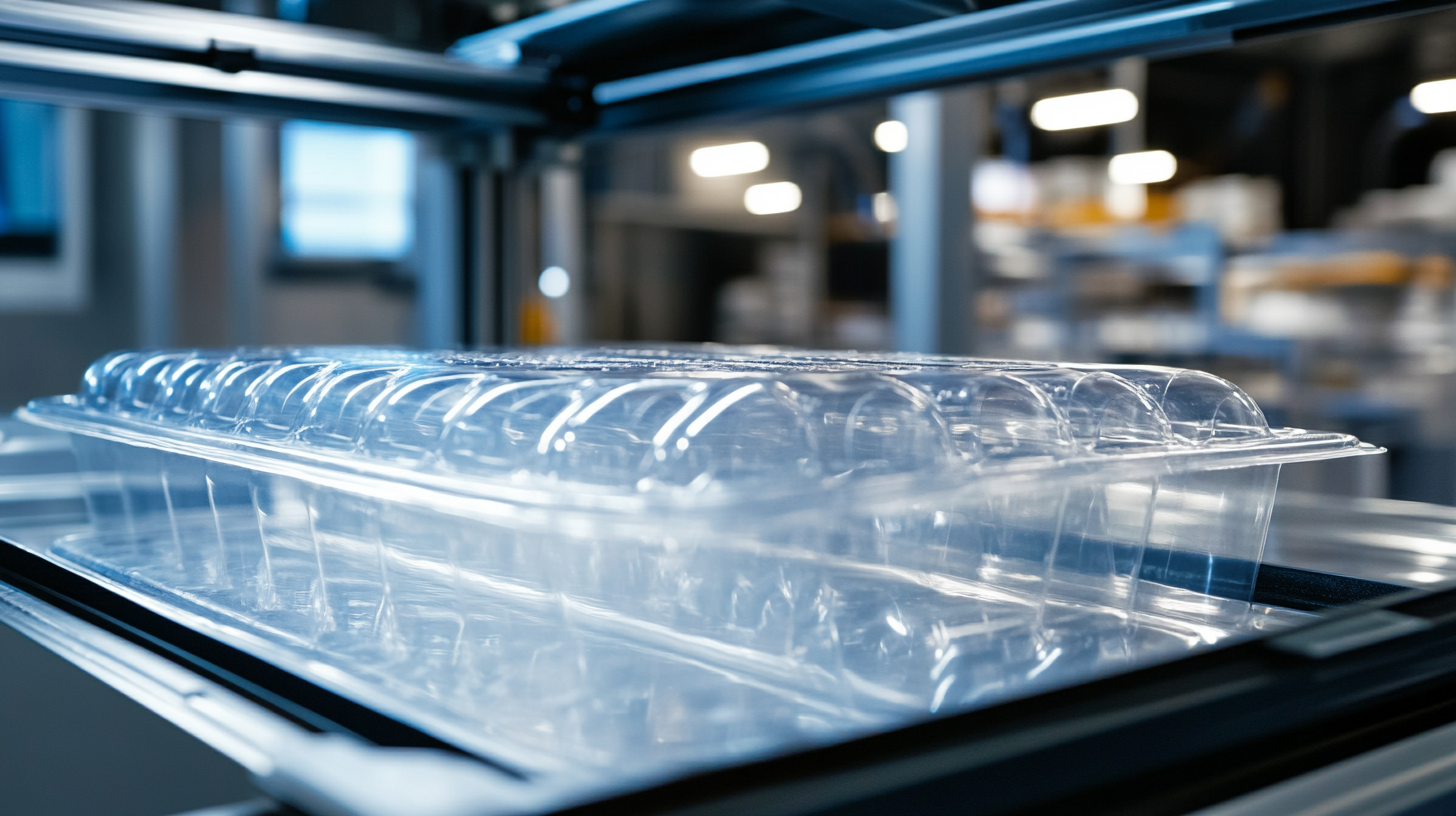
More and more businesses are finding plastic thermoforming solutions advantageous for packaging products in the fast-paced market these days. It makes strong but lighter packaging and acts as a crucial ingredient in the visibility of the products. Such products shaped with plastics can be called custom forms and create unique opportunities for the brands to sell their products differently from everyone else in a crowded marketplace. Such solutions not only reduce the manufacturing cost but also reduce the energy requirement, and therefore this technology, more than any other approach, seems to benefit the environment. This required knowledge makes the manufacturer in tune with consumers and thereby enables one to use less raw material for an efficient production process in designed products. Furthermore, advanced technologies are being adopted by thermoforming into continuous processes to enable the use of high-performance packaging that will keep the freshness and safety of the products. The growing trend of the plastic Processing Machinery market is expected to increase from $23.57 billion in 2025 to $34.62 billion by 2032. Therefore, it is a clear indication of the shift to sustainable innovations in packaging. Companies do invest in developing new technologies and implement innovations in their packaging solutions that pass heavy conformity to environmental standards. Well, moving to responsible packaging solutions is mandatory as it encourages brands to upgrade the line with modernized values of the increasingly conscious consumers.
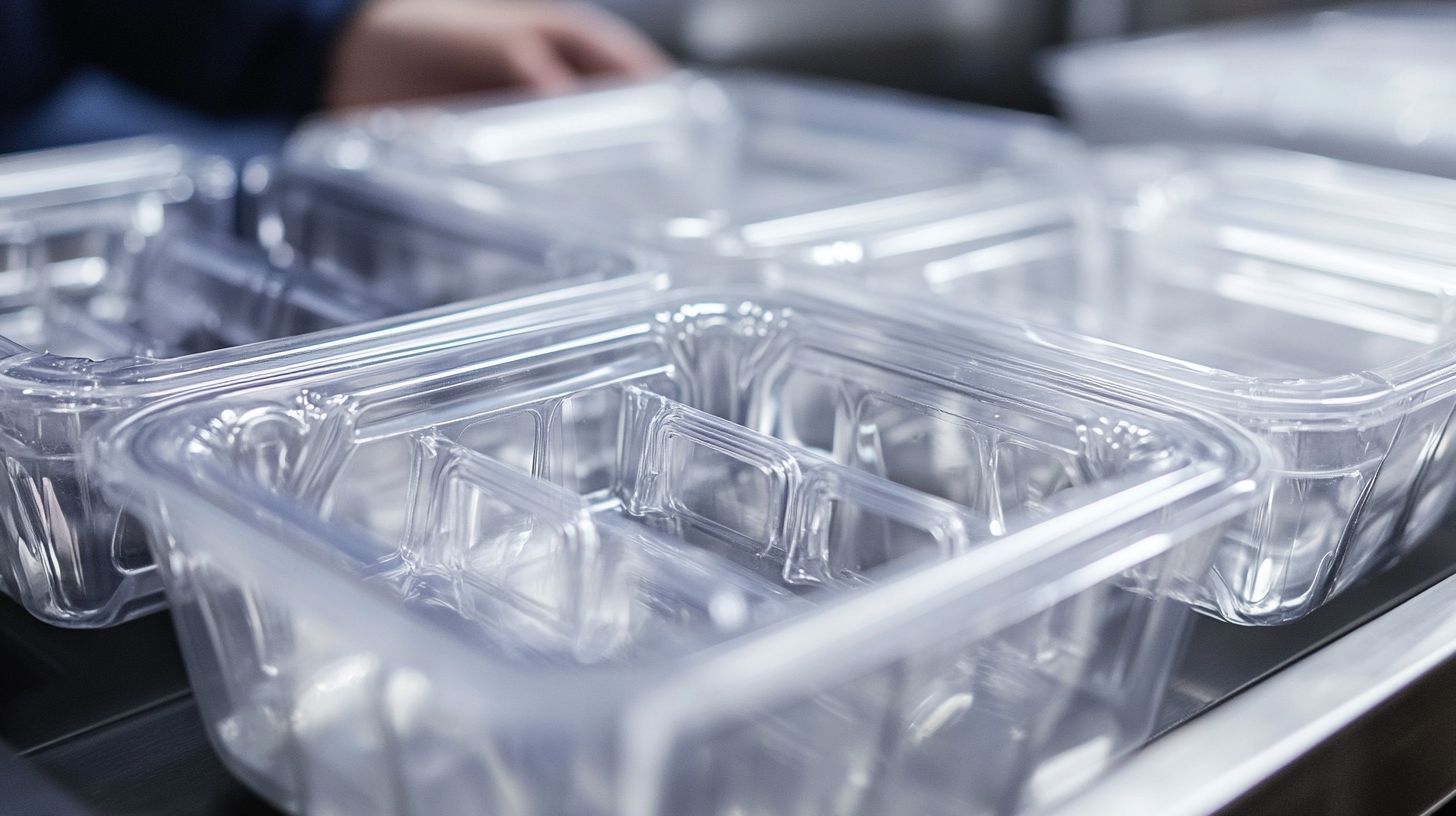
As such, large competitive advantages accrue to businesses whose traditional methods' lightweights, high-strength, custom-packaging fit, ease of application, and cost-effective. The notable quality that these methods possess is the introduction of custom shapes and sizes for any given product; hence brands can design packaging suited more towards the product. The aesthetic appeal is one thing, but the custom design goes a long way in protecting the product in transit and handling.
Another very important and distinct benefit of innovative thermoforming is the entire streamlining of the production process. The development in technology permits rapid prototyping with short turnaround periods so as to help companies introduce new designs into the market with great haste. Such agility is really important in the present, where market conditions can change overnight these days. Furthermore, advanced thermoforming is becoming increasingly environmentally conscious, being able to include recycled material into the finishing and reducing waste-to-answer demand for green packaging solutions.
The option to texture, color, or layer all options, therefore enhancing the consumer's visual and tactile experience, due to versatility coming with thermoforming. The more these visible branding elements are integrated into the packaging design, the more a company will be successful in communicating its brand identity and values to the consumer, increasingly promoting customer engagement and loyalty. The innovative capabilities of thermoforming not only beautify product packaging but also afford the business a competitive edge in a saturated marketplace.
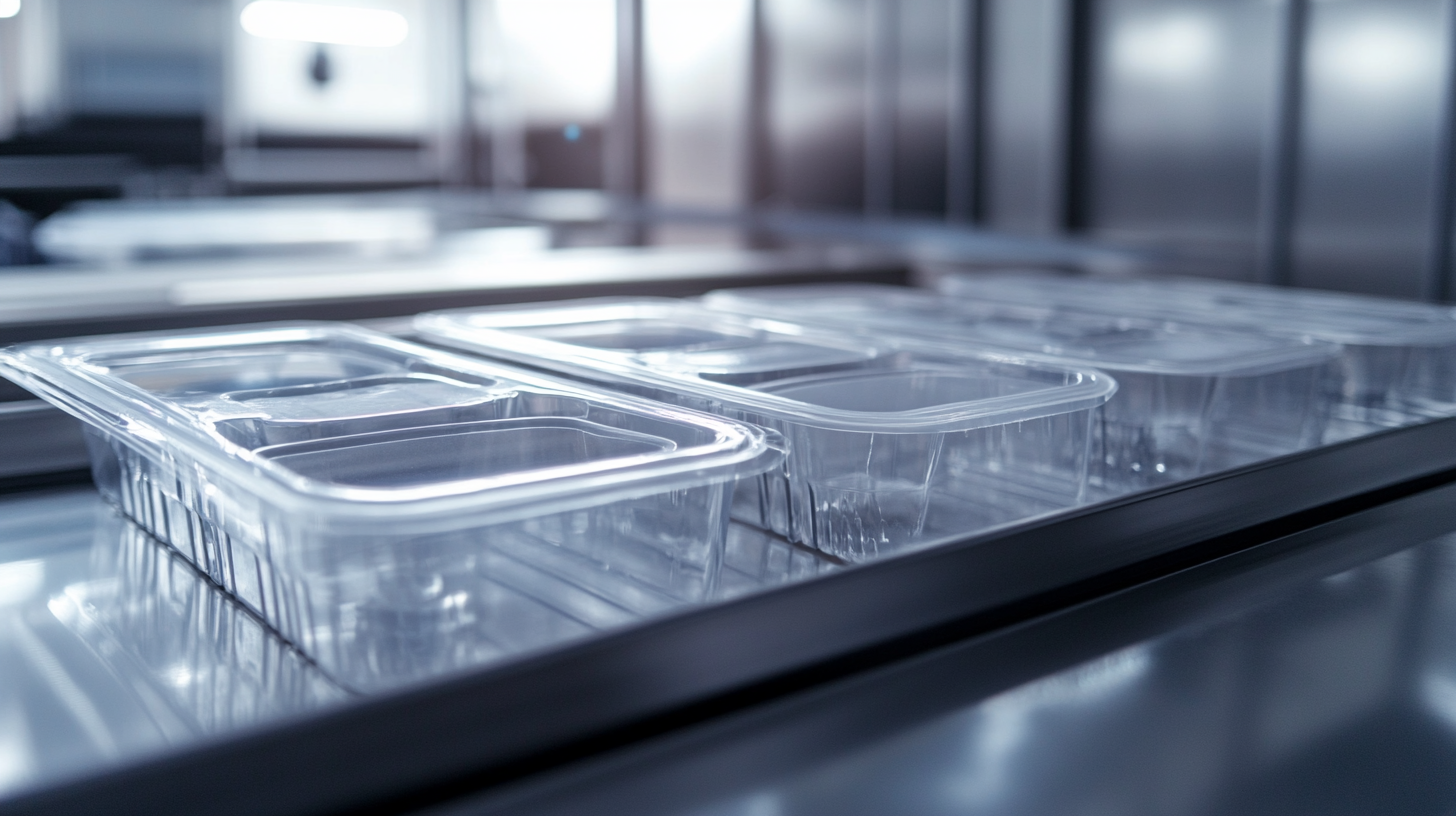
It is once again obvious in the current fiercely competitive arena that the visibility of products becomes a lever to attract consumers as well as push for sales. Innovative plastic thermoforming solutions provide a neat avenue for enhancing the attractiveness of products through customized packaging designs. By forming clear lightweight materials into striking packages, brands get to showcase their products in ways that attract attention both at the shop floor and on online platforms.
The list of benefits of thermoformed packaging goes far beyond appealing looks. To a potential customer, thermoformed materials assure a view of the product inside, with that view engendering trust and thus the purchase decision. This transparency encourages visibility and facilitates branding, allowing companies to display their logos and information boldly. Thermoforming technology is versatile enough to allow brands to customize their packages for seasonal themes or promotional campaigns to further engage their consumers.
Also, the innovative thermoforming solution would, therefore, ensure that products get noticed and resonate with the consumer. As brands try to carve a differentiation for themselves, the technology becomes a critical element in the creation of memorable product displays or presentations and attractive packaging that give lasting impressions. Packaging is, into the future, all about attracting and engaging the consumer; hence this is where plastic thermoforming fits perfectly in the success of marketing strategies.
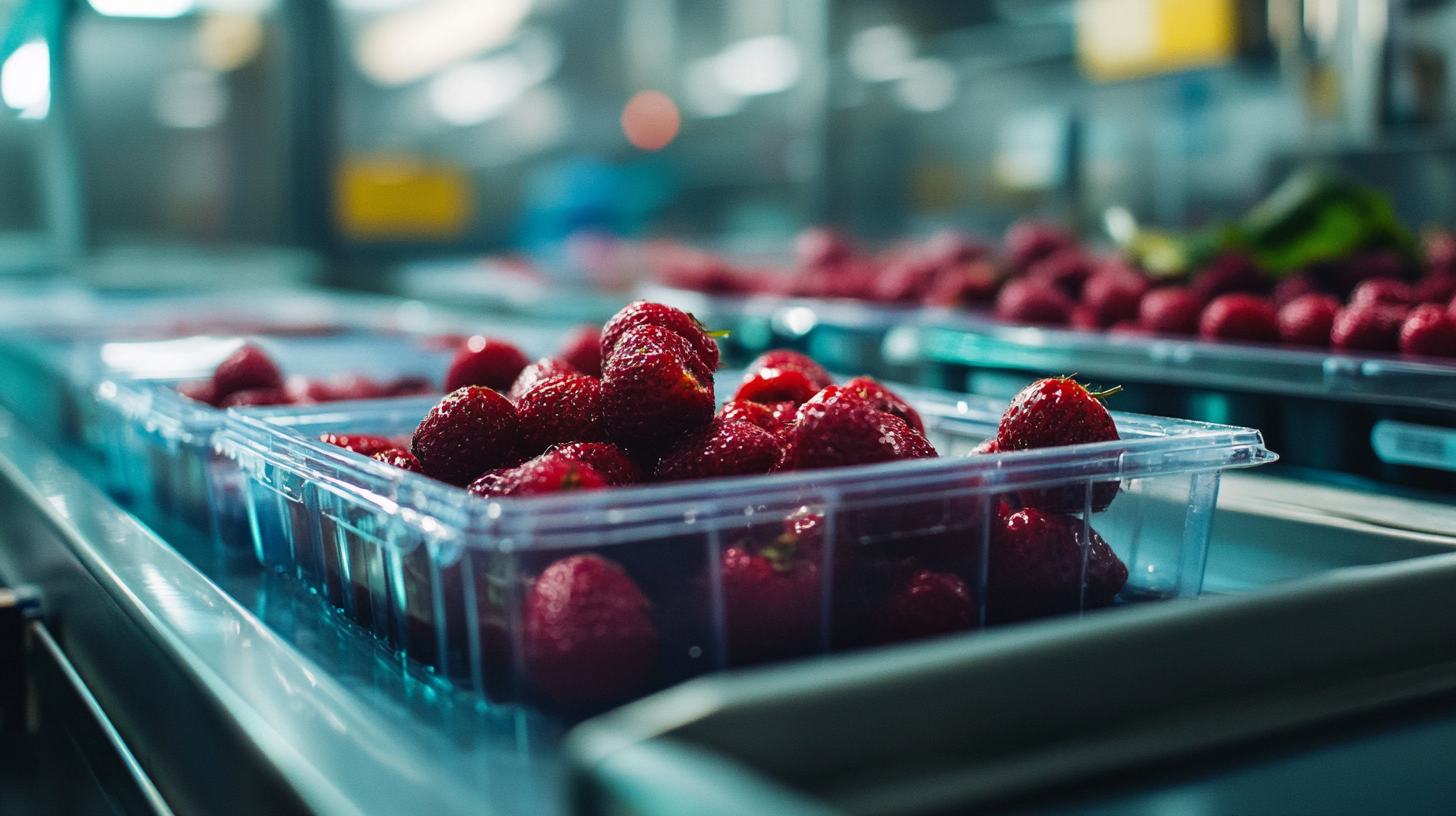
Sustainable packaging solutions have become one of the most urgent needs in a market that has become highly conscious of environment. With innovative plastic thermoforming, it has almost become clear within the forefront for achieving such needs where product runs have upended into eco-conditions. This is what is achieved through resource-reduction and collection of high-quality products by recyclable materials, olstem-made on the one hand from post-consumer waste.
From the point of view of manufacturing, thermoforming promises flexibility of designs and more optimized resources. For instance, it is possible to design a lightweight package by this process and thus consume less material and be efficient in transporting goods. Recent developments in biodegradable thermoplastics available to the eco-manufacturer don't have to compromise performance in the journey towards sustainability. Creating a place for an eco-friendly thermoformer means being true to the product and responsible toward the environment.
While consumers shift their purchasing patterns more towards those of products that resonate with their values, brands that adopt more innovative sustainable packaging strategies become able to compete more effectively. Apart from this, innovative plastic thermoforming enables such companies to build on their brand image positively. Adopting these practices has become a necessity for all businesses wishing to thrive while maintaining a long lifetime.
Customizing product packaging can often make the difference in visibility and attractiveness for a brand. The flexibility of plastic thermoformed designs offers the opportunity to creatively approach the diverse requirements of marketing which vary in different industries. Using the process of plastic thermoforming, companies can make packages that would not only showcase their products well but will also have that thematic quality that appeals to their audience.
An example of this is the recent launch of a special product that offers exclusivity and creative packaging. With the help of thermoforming techniques, brands can evoke creative packaging designs that grab attention on the shelves and entice consumers into a sale. Such customizations create limited editions that thereby enhance the desirability of extra-special products, ensuring packaging that complements the product's offbeat character. These innovations, therefore, contribute to the overall experience and create a lasting impression on consumers.
Thermoform designs are adaptable to a broad range of shapes, sizes, and functions, showcasing the beauty of flexibility for products ranging from electronics to cosmetics. Brands can apply different colors and finishes while adding proprietary features that make these packages functional and good-looking. Thermoformed packaging achieves a synergy of usability and aesthetics and helps build a relationship with the consumers, underscoring the relevance of customization in today's highly competitive market.
Innovative plastic thermoforming options are revolutionizing the age-old packaging and effective solutions for product packaging worldwide. The relevance of ethylene-acrylic acid copolymers is projected to reach around USD 4.9 billion by 2033, with an annual growth of 6.7% from 2024; thus, enabling significant scope to develop thermoplastic in different areas of applications.
The thermoforming mode is the best fit for high barrier packaging films that help in keeping the product fresh on the shelf by blocking oxygen and moisture. This is amplified by the need for low-weight, sustainable packing materials which have been ushered in by the thriving companies interested in functional film innovations. Recent studies show that sustainable practices have become relevant today with increasingly environmentally conscious consumers concerning sustainable packaging practices.
The advancement of conductive inks and barrier materials has also opened up a new era in food and consumer products packaging. According to reports, the conductive ink market will have a wide variety of applications, whereas high-performance films help streamline production processes and minimize waste. Innovations like these form the future of packaging as customers demand both need and the industry's reactions to the sustainability challenge.
The most important requirement for thermoforming is the selection of appropriate materials that promise good functionality and aesthetics on product packaging. It is the process where thermoplastics are heated into conditions where they can be made malleable to take up different geometric forms in a very versatile way. The type of material chosen influences the durability, strength, and appearance of the final product to a very high degree. ABS (Acrylonitrile Butadiene Styrene), for example, is a popular material that has been specially developed to provide strong high-end construction along with excellent surface quality, making it ideal for metal-like or premium applications.
In addition to ABS, modern packaging has significant applications from other materials such as PET (Polyethylene Terephthalate) and PVC ( Polyvinyl Chloride). PET is a clear, recyclable plastic that suits brands interested in improving their products more sustainably and reducing overall carbon footprints. Meanwhile, PVC provides a general-purpose plastic that is very easily processed for different uses, enabling it to be packaged with added specifications and features, such as barrier protection and shelf-life extension, as required.
At the end of the day, it should be a matter of all requirements- cost, esthetic visibility, and environmental effects-based grounds for which material will be chosen. By understanding what these various types of plastics have to offer, companies can take a step in improving their product packaging into attracting a customer base well kept. Selecting the right materials, in addition to promising structural integrity, should also tell the story of the brand and its quality commitment.
There have been rapid developments in the future of product packaging, and among these are the avant-garde developments in modern-day plastic thermoforming. The fast-growing global market for plastic-processing machinery is predicted to ascend from $23.57 billion in 2025 to $34.62 billion by 2032 at a 5.6% growth rate; obviously, there will be more demand for advanced packaging technologies. The process of thermoforming enhances the protection of the products and elevates their looks, thus becoming the mainstay for the food, pharmaceutical, and consumer good industries.
Approaching a value of $24.4 billion in 2020, blister packaging is expected to undergo robust growth generating a substantial CAGR of nearly 6.2% between 2021 and 2027 due to the increasing demand for innovative and efficient packaging solutions. The growth is majorly attributed to the need for packaging that secures and beautifully presents products like pills and smaller consumer products. Growth in the medical flexible packaging market, which at $19.5 billion in 2023 is expected to hit a CAGR of 5.8% till 2032, is largely driven by demands for increasing sterile and sustainable packaging modes.
The introduction of alternative materials, such as bamboo, opens up exciting vistas for eco-friendly packaging solutions. Since 20% of global plastic production constitutes polypropylene (PP), improving the profitability of food-grade recycled PP will be of great economic and ecological importance. With the increasing consumer preference for sustainable options, the innovation through plastic thermoforming will contribute immensely toward the evolution of product packaging in the future.
Thermoforming is a manufacturing process that shapes clear, lightweight materials into packaging designs. It enhances product visibility by creating eye-catching packages that showcase products effectively on store shelves and online.
Thermoformed packaging allows brands to create tailored designs that attract consumer attention and foster a visually appealing presentation, which is critical in a competitive marketplace.
The clarity and structural integrity of thermoformed materials enable consumers to see the product inside, which fosters trust and encourages purchase decisions by providing transparency.
Yes, thermoforming can utilize recyclable materials and post-consumer waste, making it a sustainable option that reduces ecological footprints while delivering high-quality products.
Lightweight thermoforming minimizes material usage, improves transportation efficiency, and helps brands reduce costs and environmental impact.
Businesses can adopt biodegradable thermoplastic alternatives and innovative thermoforming techniques to meet sustainability objectives without compromising performance.
Innovative thermoforming solutions help brands differentiate themselves, creating memorable and attractive product presentations that resonate with consumers and drive sales.
Thermoformed packaging allows businesses to prominently display their logos and information, enhancing brand recognition and amplifying marketing efforts.
As consumers increasingly seek products that align with their values, brands that adopt sustainable packaging strategies can stand out in a crowded market and improve their brand image.
The future of product packaging lies in its ability to captivate and engage consumers through innovative solutions like plastic thermoforming, making it a vital component of successful marketing strategies.