Hey there! You know, in this fast-changing world of plastics, making manufacturing processes as efficient as possible is really a game-changer. I came across a report from MarketsandMarkets, and it’s pretty wild— they’re estimating that the global market for plastic Processing Machinery will hit around USD 45.6 billion by 2025. That just shows how hot demand is for innovative stuff like Plastic Vacuum Molding Machines.
Now, when it comes to leading players in this space, Ruian Bocheng Machinery Co., Ltd. really stands out. They've been in the game for over 15 years, and they’re right there, pushing the boundaries to bring better solutions tailored for plastics. If you’re ever in Binhai Industry, Ruian city, Wenzhou, Zhejiang Province in China, you’ll see their dedication firsthand—they’re all about boosting production efficiency and quality with their state-of-the-art machinery.
To help you stay on top of things, I put together a quick checklist of some innovative practices and solutions that can really fine-tune how you run your Plastic Vacuum Molding Machines—so you can stay competitive in this super dynamic market.
Understanding the Basics of Plastic Vacuum Molding Technology
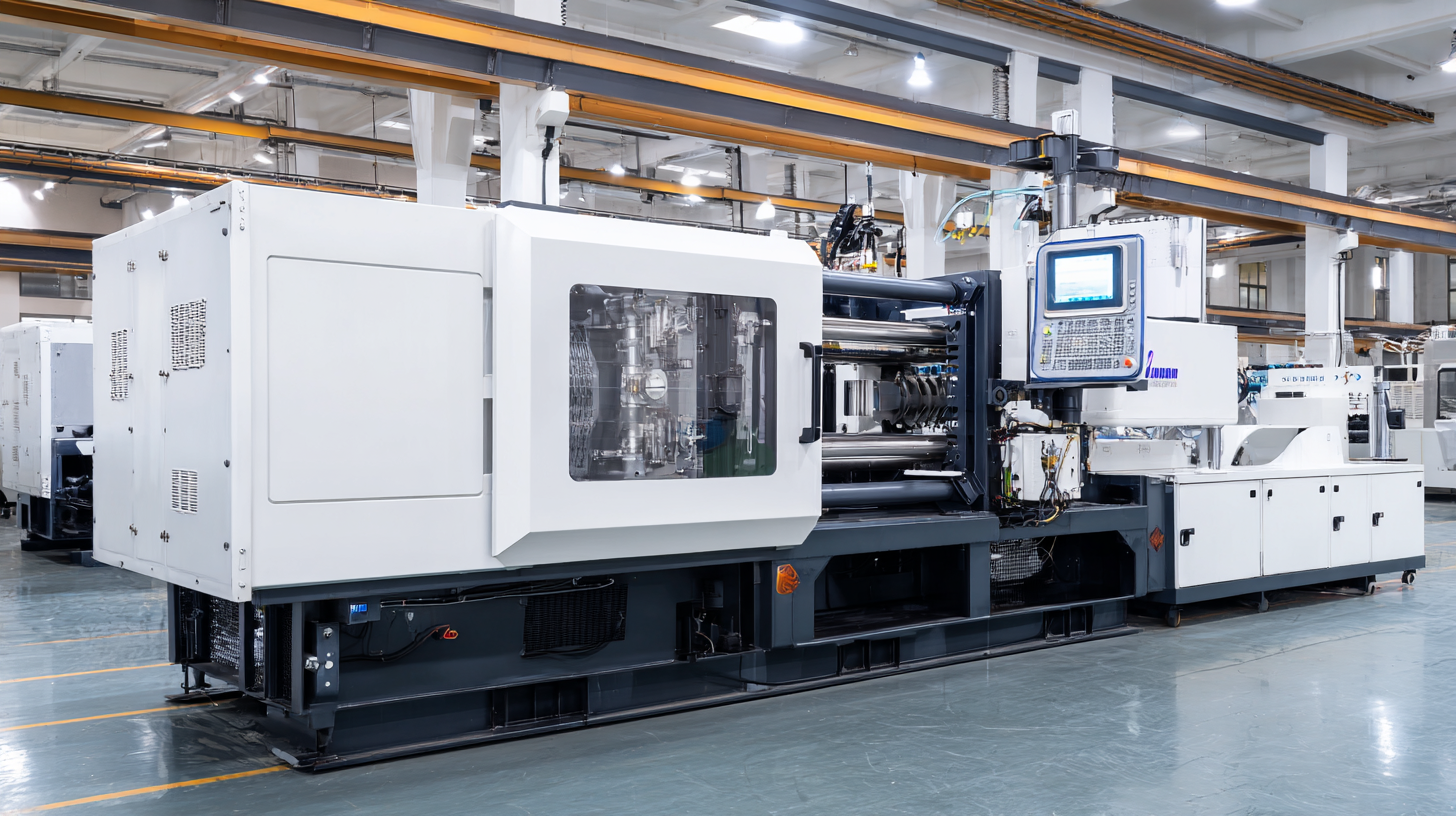
You know, plastic vacuum moldingis a pretty essential part of how things are made these days. It’s a clever way to create really complex shapes and designs without breaking the bank or wasting too much material. Basically, the process uses a vacuum to shape heated Plastic Sheets over molds—kind of like giving plastic a custom fit. This results in some pretty high-quality products that we see everywhere, from cars and packaging to everyday consumer goods. As more companies start looking for tailored solutions, it’s becoming more and more important to get a solid grasp of howplastic vacuum molding works if you want to stay competitive and boost your production game.
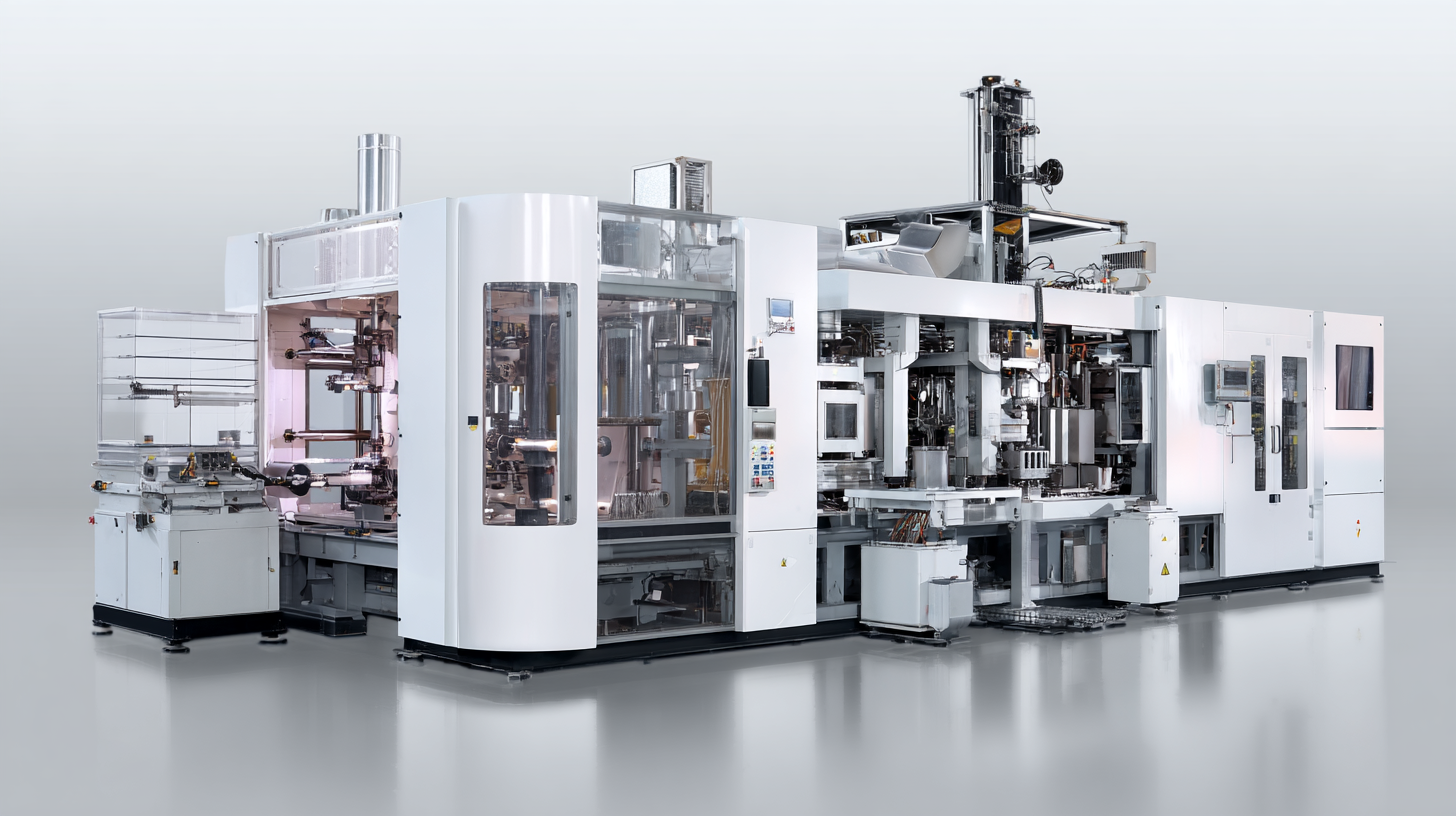
Looking at the bigger picture, the global market for thermoformed plastics—stuff like vacuum-formed products—was around $4.059 billion back in 2019. And it’s only expected to grow, at a rate of about 5.7% annually through 2027. This boom is all thanks to new materials and smarter tech, allowing manufacturers to make lighter, tougher, and more eco-friendly products. If you really want to stay ahead, tapping into innovations in plastic vacuum molding could be a game-changer. It’s a pretty smart move to streamline operations, cut costs, and meet the rising demand for top-notch, green products. All in all, embracing this tech gives companies a serious edge in today's competitive plastics market.
Key Benefits of Using Plastic Vacuum Molding Machines
Plastic vacuum molding machines really changed the game in manufacturing. They've brought a bunch of benefits that help make production way more efficient. I was reading a recent report from Fior Markets, and it looks like the global market for vacuum forming is set to hit around $2.65 billion by 2028, growing at about 5.2% each year since 2021. That’s quite impressive! A big reason for this surge is how these machines can quickly produce lightweight parts with complex shapes—stuff that used to be tough or time-consuming. Thanks to shorter cycle times and less material waste, companies are finding these machines a pretty smart investment if they want to streamline their processes.
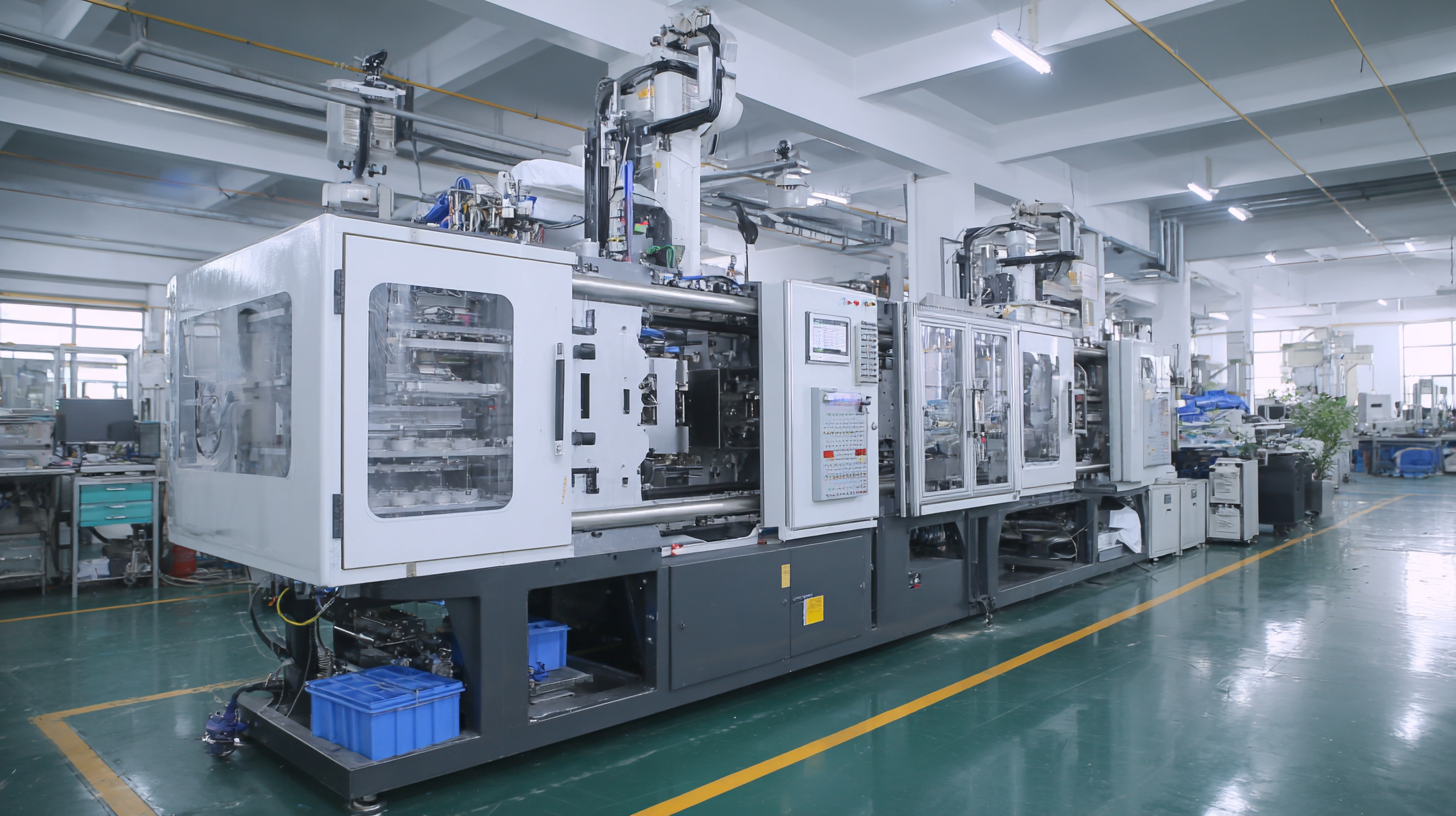
And it’s not just about speed; they also help cut costs. A study from Research and Markets pointed out that businesses using vacuum molding can slash their raw material expenses by up to 30% compared to old-school methods. The precision these machines offer means you don’t need to use as much material, but still end up with top-notch quality and a nice finish. Plus, they’re super versatile—able to work with various thermoplastics—which opens doors to all sorts of applications, from cars and airplanes to everyday consumer products. All in all, jumping on board with advanced manufacturing tech like this is a pretty smart move if you want to stay competitive in today’s fast-moving market.
Innovative Applications of Vacuum Molding in Various Industries
Vacuum molding has really become a game-changer in manufacturing across all sorts of industries. It’s opening up cool new possibilities that make production smoother and faster. Take the automotive world, for example—this technique’s used to craft lightweight but sturdy parts. That means cars can be more fuel-efficient without sacrificing safety. Plus, the precision it offers for shaping complex designs can boost aerodynamics and cut down on the overall weight of the vehicle, which is pretty awesome.
On the other hand, in the consumer products side of things, vacuum molding is turning heads in packaging. More and more companies are using it to create custom packages that not only keep products safe but also cut down on material waste. Since it allows for intricate designs at a lower cost, it’s quickly becoming the go-to method for brands wanting to stand out while also being eco-friendly. As industries move toward more automation and smarter manufacturing methods, vacuum molding really stands out as a key player in pushing efficiency and innovation forward.
Case Studies: Success Stories from Businesses Using Vacuum Molding
You know, plastic vacuum molding has really become a game-changer across a bunch of industries, especially when it comes to making production way more efficient. Lots of case studies out there show that companies using these vacuum molding machines are seeing some pretty impressive improvements in how they operate. For example, according to MarketsandMarkets, the global vacuum molding market is expected to hit about $1.66 billion by 2025, growing at roughly 4.5% annually. That really shows how more and more sectors—think packaging, automotive, and consumer goods—are jumping on board with this tech.
One story that sticks out is from a top packaging company that switched over to vacuum molding to speed up their production line. The results? They managed to cut down on material waste by about 30% and bumped their production speed up by a quarter. Then there’s this other interesting case from the Automotive Industry Action Group—apparently, automakers using vacuum molding cut their product development time by around 40%. Pretty amazing, right? All in all, these examples just go to show how vacuum molding doesn’t just make things faster and more efficient — it also helps save a ton of money in the long run.
Innovative Solutions for Enhancing Efficiency with Plastic Vacuum Molding Machine - Case Studies: Success Stories from Businesses Using Vacuum Molding
| Case Study | Industry | Efficiency Improvement (%) | Material Used | Production Volume Increase (%) | Cost Savings (%) |
| Case Study 1 | Automotive | 25 | Polycarbonate | 40 | 15 |
| Case Study 2 | Consumer Goods | 30 | ABS Plastic | 50 | 20 |
| Case Study 3 | Electronics | 20 | PVC | 35 | 10 |
| Case Study 4 | Medical Devices | 15 | PETG | 25 | 5 |
| Case Study 5 | Packaging | 28 | Polypropylene | 45 | 18 |
Enhancing Efficiency: Tips for Optimizing Your Molding Process
In today’s super competitive world of manufacturing, fine-tuning the molding process really matters if you want to bump up efficiency and cut down on costs. I read a report from the Plastics Industry Association that says using some of the newer tech in plastic vacuum molding can boost efficiency by as much as 30%. One trick that works well is adding automated systems to keep an eye on and adjust the mold’s temperature and pressure. This not only speeds things up but also helps keep the product quality consistent, which is a big plus.
Also, choosing the right materials can make a huge difference. Switching over to high-quality, lightweight plastics can save money on materials and even speed up the whole production line. A study from the Journal of Plastic Manufacturing even found that using engineered thermoplastics could cut waste during molding by about 20%. Plus, regular maintenance of machines and molds is key—skipping this can lead to downtime, which the National Association of Manufacturers says costs the industry over $50 billion every year. By paying attention to these things, manufacturers can really improve efficiency and do a better job being sustainable too.
Future Trends in Plastic Vacuum Molding Technology
Looking ahead, the future of plastic vacuum molding tech is pretty exciting. We’re seeing a lot of innovative solutions coming up that aim to make the whole process more efficient. According to a report from Allied Market Research, the global vacuum molding market is expected to hit around $8.62 billion by 2026, with a steady growth rate of about 5.1% from 2019 to 2026. This upward trend is mainly driven by the rising need for lightweight and affordable plastic parts across different industries—think automotive, consumer goods, electronics, you name it.
One of the coolest trends right now is how automation and smart manufacturing are starting to play a bigger role. Companies are pouring resources into robotics and artificial intelligence to speed things up and cut down on waste. A study by Grand View Research mentions that automating production lines can boost efficiency by up to 30%, which is huge when you're trying to keep up with the growing demand for customized plastic products. Plus, sustainability is becoming a major focus. Innovations like biodegradable materials and energy-efficient machinery are helping the industry align with global environmental goals, paving the way for a more sustainable future.
Maximizing Production Efficiency with the Hydraulic Plastic Cup Molding Machine BC-H850
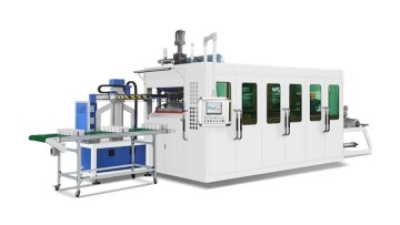
The BC-H850 Hydraulic Plastic Cup Molding Machine represents a significant advancement in production efficiency for businesses producing plastic and paper cups. With a maximum forming area of 850*600mm and a depth of 200mm, this automatic machinery is designed to handle a variety of cup shapes—both round and non-round—streamlining your production processes. The machine's ability to produce up to 30 molds per minute greatly enhances throughput, allowing companies to meet high demand without sacrificing quality.
Equipped with a robust hydraulic system and an intuitive control mechanism, the BC-H850 ensures minimal downtime and maximum output. Its high degree of automation simplifies operations, making it accessible even for those with limited experience in manufacturing. Furthermore, the machine is constructed to facilitate easy maintenance, ensuring that your production line remains operational and efficient. Industries ranging from food and beverage to pharmaceuticals and cosmetics will benefit from the BC-H850’s versatile capabilities, positioning it as an essential tool in modern packaging production.
FAQS
: Vacuum molding technology is benefiting industries such as automotive, consumer products, and packaging by enhancing efficiency and reducing production time.
Vacuum molding is used to create lightweight yet durable components, which improve fuel efficiency while maintaining safety standards through enhanced aerodynamics and reduced vehicle weight.
Vacuum molding allows companies to produce custom packaging solutions that protect products while minimizing material waste and reducing production costs.
The global vacuum molding market is projected to reach USD 1.66 billion by 2025, growing at a CAGR of 4.5%.
A leading packaging company that implemented vacuum molding reduced material waste by 30% and improved production speed by 25%.
Automotive manufacturers using vacuum molding processes achieved a 40% reduction in product development time, showcasing improved efficiency while maintaining quality.
Vacuum molding minimizes material waste and allows for the production of intricate designs, which helps brands differentiate their products while being mindful of environmental impact.
The technique enables the creation of custom packaging solutions at lower production costs, making it an attractive choice for brands aiming for differentiation and sustainability.
Conclusion
When it comes to manufacturing, the Plastic Vacuum Molding Machine has really become a game-changer for boosting how efficiently things get done. If you dig into how plastic vacuum molding works, you'll see its pretty cool perks—less waste, faster production times, and the ability to craft complex shapes with great precision. You’ll notice that industries like automotive and consumer products are jumping on board with this tech, showing just how versatile and effective it really is.
Here at Ruian Bocheng Machinery Co., Ltd., we’re super proud of our 15-plus years of experience in offering solutions that fit the needs of the plastic industry perfectly. We’ve helped countless businesses streamline their molding processes, and many have seen big improvements in how smoothly things run thanks to our advanced vacuum molding machines. Looking ahead, we’re pretty excited about where this tech is headed. Future trends are set to make vacuum molding even more productive and innovative, paving the way for new possibilities in the industry.