In today’s fast-changing world of plastics, it’s really important for manufacturers to stay on top of the latest innovations—especially when it comes to Vacuum Thermoforming techniques.  Ruian Bocheng Machinery Co., Ltd. has been a big name in the field for over 15 years, and they’re all about helping clients worldwide with top-notch products and solutions. Located in Binhai Industry, Ruian City, Wenzhou — in Zhejiang Province, China—they focus on providing comprehensive options that incorporate the newest tech advancements. As we look into some of the challenges that come with this method, we’ll also shine a light on how Ruian Bocheng stays ahead of the game with creative approaches. The goal? To help their customers handle the complexities of modern manufacturing with confidence and ease.
The Evolution of Vacuum Thermoforming Techniques Through the Years
The way vacuum thermoforming has evolved over the years is pretty impressive. Thanks to new tech and shifting market needs, what used to be just a simple way to package things has turned into a pretty sophisticated process — one that’s all about precision and efficiency. Nowadays, with computer-aided mold design, manufacturers can create more complex shapes and sizes with remarkable accuracy and consistency. You really see how far it's come, especially in sectors like Medical Packaging, where the standards are super high and there's no room for errors.
As more industries push for sustainability, vacuum thermoforming is also getting greener. Innovations in materials and processes have led to eco-friendly packaging options that cut down on waste. And automation? That's been a game-changer — making production smoother and faster without sacrificing quality.
Pro tip: If you're looking to step up your game, investing in some advanced modeling software for your mold designs could really help you get better precision. Also, check out the latest eco-friendly materials on the market — it’s a great way to align your packaging with environmental goals. And don’t forget, keeping an eye on new automation tech can seriously boost your productivity and make your processes more efficient overall.
Key Innovations Driving Efficiency in Vacuum Thermoforming
Vacuum thermoforming has really come a long way over the years, with lots of cool innovations that make the whole process more efficient and flexible. They've introduced new systems that keep the temperature in check better, so the thermoplastic sheets heat up more evenly. Honestly, this kind of precision not only helps save energy but also lowers the chances of the material warping or deforming. And as companies try to speed up production, more advanced automation tech is getting into the mix, which means quicker setups and less manual labor—pretty helpful, right?
When you're choosing materials for vacuum thermoforming, it’s worth taking a moment to understand how different plastics behave at various temperatures. Getting a grip on those properties can really pay off, leading to better results and saving some cash in the long run.
Plus, the game changer has been real-time monitoring systems. These bad boys help spot issues during forming right away, so adjustments can be made on the fly. That not only cuts down on waste but also ensures your products are consistent and of good quality. Putting funds into these kinds of tech upgrades definitely pays off if you want smoother operation and higher output.
Tip: Make it a habit to regularly check and calibrate your thermoforming equipment. Keeping everything in tip-top shape means fewer surprises down the line and a more steady production flow.
Efficiency Improvements in Vacuum Thermoforming Techniques
Sustainable Practices in the Future of Vacuum Thermoforming
Looking ahead, the future of vacuum thermoforming is all about embracing sustainable practices. It’s not just about boosting efficiency anymore—there’s a real push to cut down environmental impacts too. As more industries start to realize how crucial sustainability is, vacuum thermoforming is quickly becoming a hotbed for innovation. I mean, reports are saying that the global market for thermoformed plastics could hit around $50 billion by 2026, with a big move towards greener, eco-friendly materials. Companies like Ruian Bocheng Machinery Co., Ltd. are leading the charge here, developing smarter machines that support recycled and biodegradable plastics.
Bocheng, in particular, has been around for over 15 years, working hard to offer complete solutions for the plastic industry. They've been pushing sustainability by making their processes more energy-efficient and cutting down on waste. It’s pretty cool—recent studies show that sustainable manufacturing can slash operational costs by up to 30%, which is a win-win for both the planet and business. By investing in new tech and sticking to eco-friendly practices, brands can seriously lower their carbon footprints and help build a greener, more sustainable future. It’s an exciting time, and it feels like we’re really moving in the right direction!
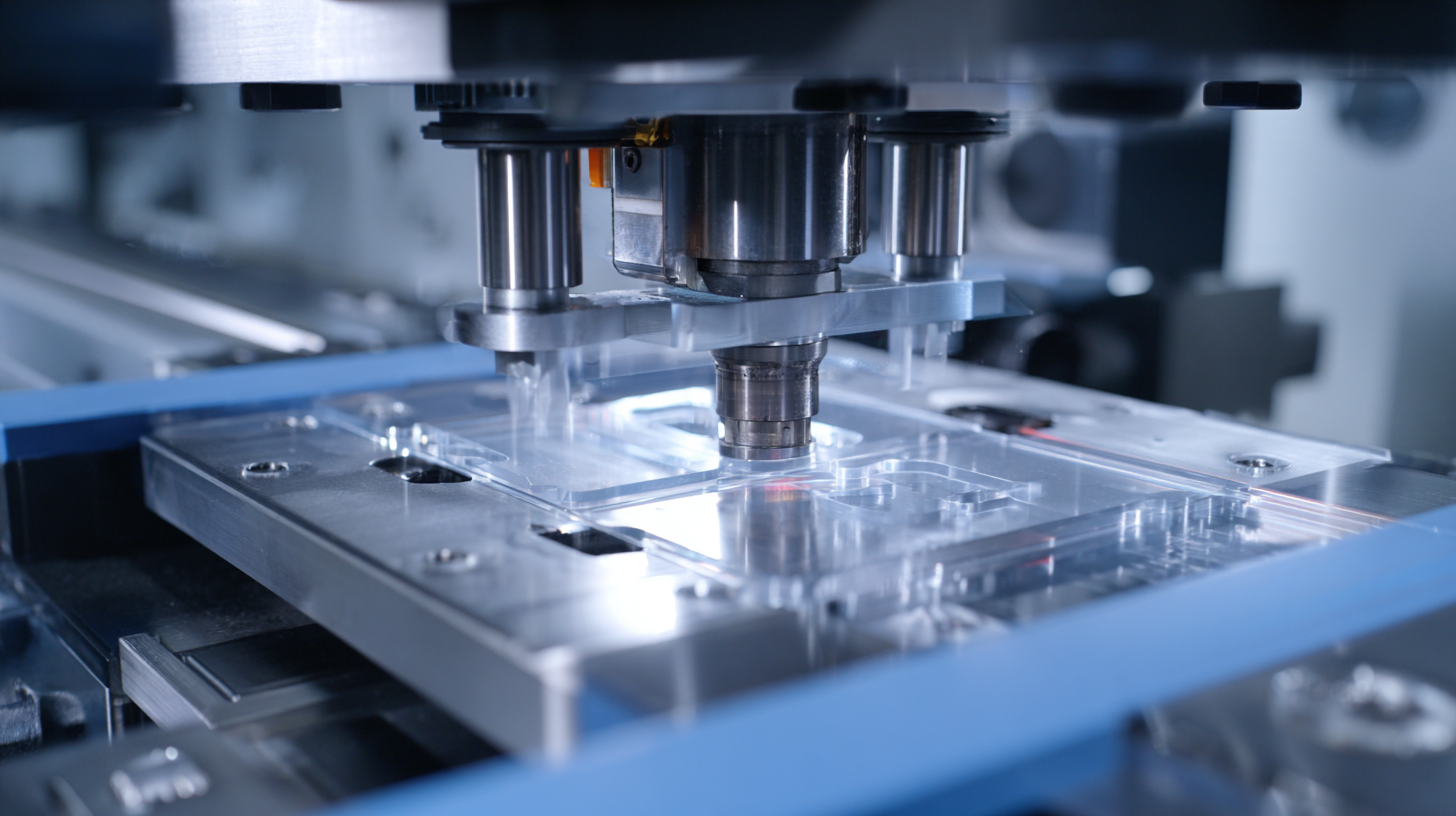
Emerging Materials and Their Impact on Thermoforming Processes
You know, emerging materials are really shaking up the world of thermoforming. They’re making the whole process more efficient and helping produce better quality products. Everybody’s been pretty used to classic stuff like PVC and PET—those have been the industry standards for ages. But lately, there’s been a bunch of exciting new polymers and composite materials coming into play that just perform better. Take bioplastics, for example—they’re becoming pretty popular because they’re eco-friendly, letting manufacturers make stronger, durable products without feeling guilty about the environment. Plus, these new materials don’t just tick the sustainability box; they also make the manufacturing process smoother, cutting down on energy use and waste.
On top of that, innovations like thermoplastic elastomers are really changing the game. They’re flexible and tough, which means you can create more complex shapes and designs—things that were super tricky with older materials. And with new additives that boost thermal stability and impact resistance, you’re opening up more possibilities for all kinds of thermoformed products. As industries gear towards lighter, stronger, and greener options, the evolution of these materials is definitely playing a huge role in shaping the future of vacuum thermoforming. It’s pretty exciting to see how all these innovations are pushing things forward, don’t you think?
Understanding the Innovations Behind Vacuum Thermoforming Techniques - Emerging Materials and Their Impact on Thermoforming Processes
| Material Type | Thermal Properties (°C) | Flexibility | Environmental Impact | Cost ($/kg) |
| Polyethylene (PE) | 110-130 | High | Low | 1.00 |
| Polystyrene (PS) | 90-100 | Medium | Medium | 1.20 |
| Polyvinyl Chloride (PVC) | 70-80 | Low | High | 1.50 |
| Acrylic (PMMA) | 80-90 | High | Medium | 2.00 |
| Polyethylene Terephthalate (PET) | 230-250 | Medium | Low | 1.80 |
Future Trends: Automation and Smart Technologies in Thermoforming
The world of vacuum thermoforming is changing pretty fast these days. Automation and smart tech are really leading the charge, making everything more efficient and opening up new possibilities. You see, automation is flipping the script on old-school methods—think robotics and high-tech machinery doing the heavy lifting. Not only does this speed things up quite a bit, but it also helps cut down on mistakes humans might make. These automated systems can move with pinpoint accuracy, giving us consistent products and cutting down on wasted material. As more manufacturers jump on board with these technologies, they’re able to ramp up production without compromising quality.
Then there’s the rise of smart tech—stuff like IoT and AI—that’s becoming pretty much essential in this industry now. IoT gadgets let us keep an eye on the production in real-time, giving useful data we can analyze to make things run smoother. For example, AI-powered predictive maintenance can actually spot potential issues before they happen, which means less downtime and more efficiency overall. Plus, these smart solutions are pushing us toward a more eco-friendly approach—better resource management, lower energy use, and all that. Looking ahead, it’s exciting to think about a future where thermoforming isn’t just faster and more efficient, but also greener and more adaptable to what the market really needs.
FAQS
: Vacuum thermoforming is a manufacturing process used to shape plastic materials by heating them and forming them over molds. It has evolved from simple packaging solutions to a sophisticated process that offers precision and efficiency, aided by computerized modeling for mold design.
Sustainability has led to innovations in materials and processes within vacuum thermoforming, promoting the development of eco-friendly packaging solutions that minimize waste. Manufacturers are increasingly adopting sustainable practices to align with environmental goals.
Automation enhances the thermoforming process by integrating robotics and advanced machinery, which accelerates production timelines, minimizes human error, and helps achieve uniform product quality while reducing material waste.
Sustainable manufacturing processes can reduce operational costs by up to 30%, providing both economic benefits and a lower environmental impact, thereby contributing to a greener future.
Smart technologies, such as IoT and AI, enable real-time monitoring and predictive maintenance within thermoforming processes, optimizing operations and improving resource management and energy efficiency.
Ruian Bocheng Machinery Co., Ltd. is a leader in the plastic industry for over 15 years. They are incorporating sustainable practices into vacuum thermoforming by enhancing energy efficiency and promoting the use of recyclable and biodegradable plastics.
The thermoforming market is expected to grow, with a significant shift towards eco-friendly materials and sustainable practices, alongside the integration of automation and smart technologies for enhanced efficiency.
Manufacturers should consider investing in advanced modeling software for better mold design precision, exploring sustainable material options, and staying updated on automation technologies to enhance productivity and efficiency.
Conclusion
Vacuum thermoforming has come a long way over the years. It’s seen some pretty exciting improvements, especially when it comes to speeding up production and boosting quality. These days, a lot of the focus is on making processes more automated, using materials more efficiently, and doing things in a way that's better for the planet. With everyone’s increasing concern about sustainability, the future of vacuum thermoforming looks pretty bright. More manufacturers are jumping on board with greener materials and eco-friendly techniques, which helps cut down waste and save energy.
On top of that, new materials are opening up all kinds of cool possibilities for product design and functionality. As automation and smart tech keep advancing, companies like Ruian Bocheng Machinery Co., Ltd. are leading the way with solutions that really match what the plastic industry needs today. All these innovations make sure that businesses can stay competitive in a changing market, while still focusing on being efficient and environmentally responsible.