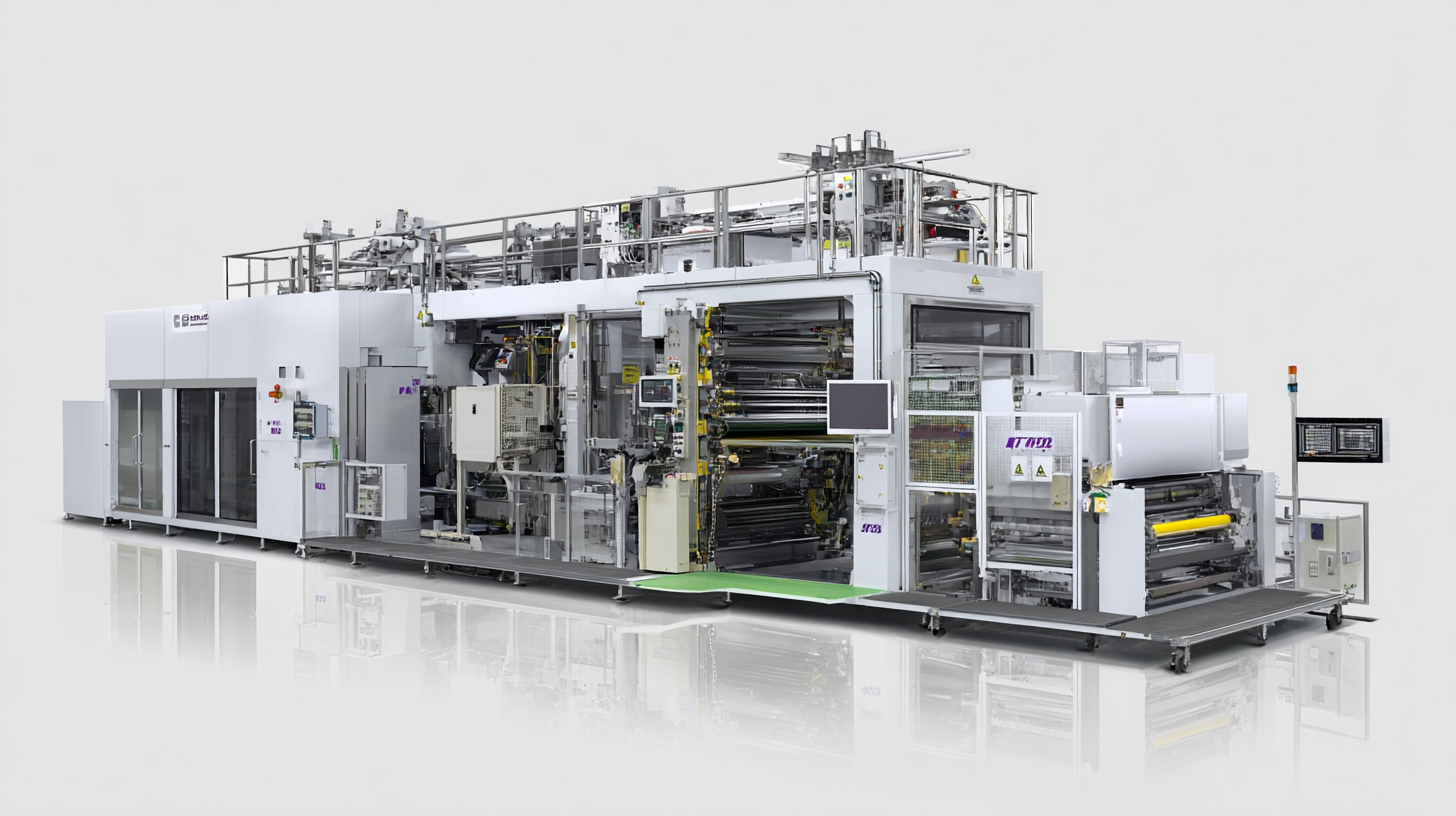
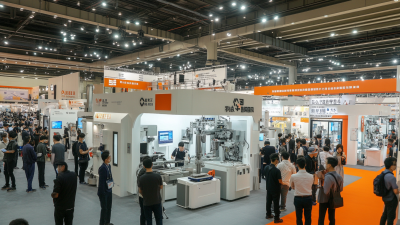
You know, over the past few years, the global market for Large ThermoForming Machines has really taken off! It's all thanks to the rising demand across a bunch of industries like packaging, automotive, and consumer goods.
If you look at the numbers, market research shows that the thermoforming machinery industry is expected to grow at a rate of about 5.6% from 2021 to 2026. This growth reflects a growing need for smart and efficient manufacturing solutions.
Now, let me tell you a bit about Ruian Bocheng Machinery Co., Ltd. — they’re a major player in this space, based in Binhai Industry, Ruian city, Wenzhou, Zhejiang Province, China. They've been making waves for over 15 years!
Their dedication to delivering top-notch products and services really sets them apart, allowing them to meet their clients’ unique needs while also pushing the boundaries of the plastic industry. It’s pretty impressive, don’t you think?
Identifying Key Features of High-Quality Thermoforming Machines in the Market
You know, in the world of thermoforming machinery, really getting to grips with what makes a machine top-notch is super important for manufacturers who want to stay ahead in the global market. I came across this interesting report from MarketsandMarketsthe other day, and it says the thermoForming Equipment market is projected to hit a whopping$5.1 billion by 2026! That pretty much screams that there's a strong demand for some cutting-edge solutions out there.
So, what are these critical features we should be looking for? Well, for starters, energy efficiency is huge—it can cut operational costs by about 30%, according to a study in the International Journal of Advanced Manufacturing Technology! Then there’s automation, like robotics and real-time monitoring systems, which really help boost productivity and lessen the need for manual labor. I mean, with the way work is changing these days, that’s becoming more important than ever.
Plus, machines with precision controls can keep variations down to less than 1%. That not only slashes material waste but also ensures that production quality stays consistent. As companies really start to focus on innovation and sustainability, investing in high-quality thermoforming machines is a must to keep that competitive edge.
Analyzing Industry Trends: Growth and Innovations in Large Thermoforming Technologies
The big thermoforming machine market is buzzing with some pretty exciting innovations, all thanks to the changing trends in the industry. If we take a closer look at the growth path, it's clear that this market is gearing up for some pretty substantial expansion over the next ten years or so. For example, the molded low-base materials market is on track to hit around $70.2 million in 2024, and it’s expected to climb to about $72.83 million by 2025, which gives us a compound annual growth rate of 4.01% leading up to 2033. This kind of growth really shows that there's a growing appetite for advanced thermoforming technologies that can meet all sorts of manufacturing needs.
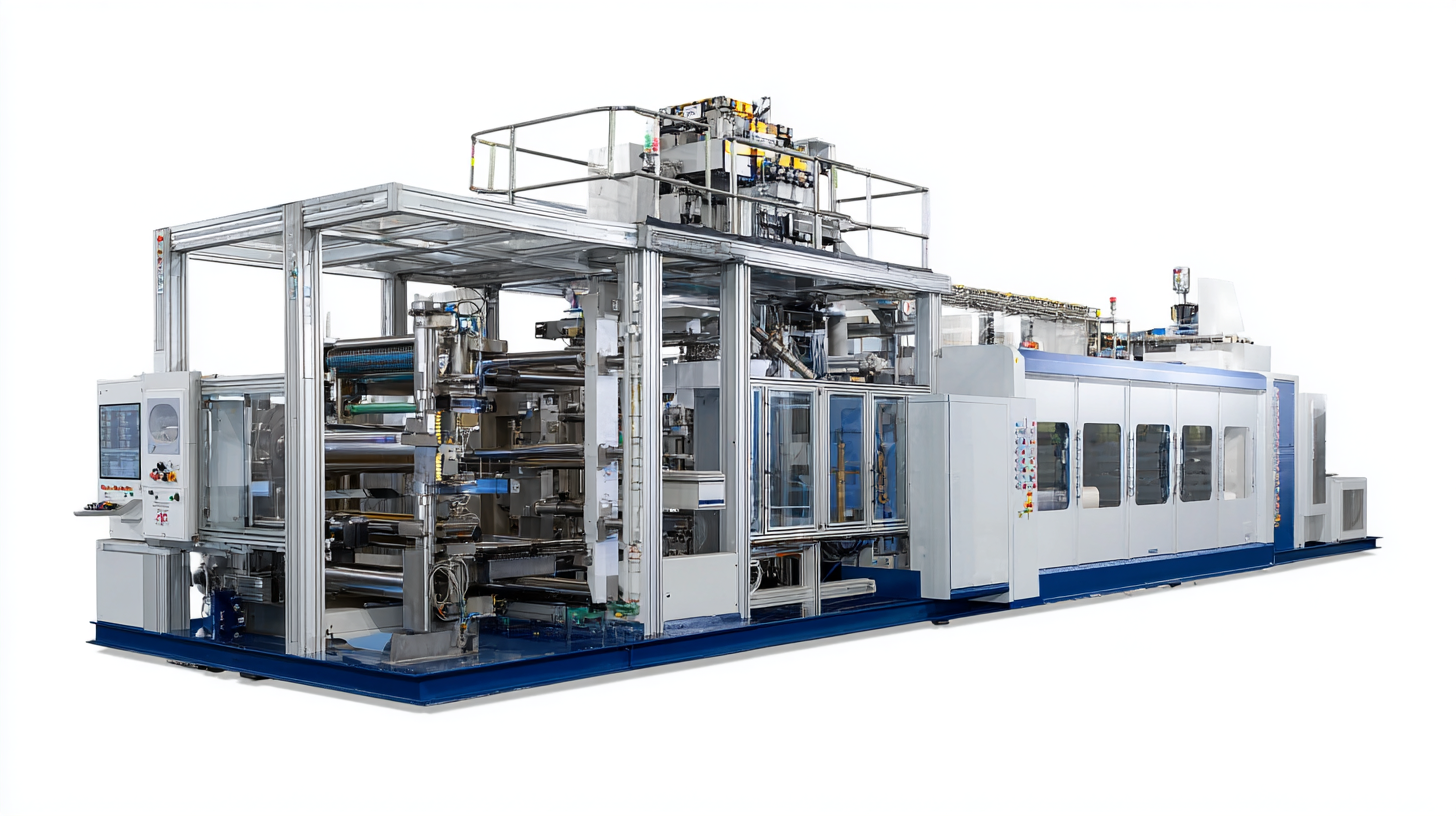
On the flip side, the market for automatic thermoforming vacuum machines is also set to soar, with projections pointing to a whopping $2.5 billion by 2032, spurred on by a CAGR of 5.16% from 2024 to 2032. This rising demand for efficient and flexible thermoforming solutions really highlights the industry's shift towards automation and sustainability. Plus, with sectors like e-commerce booming, there's a good chance sustainable packaging solutions will take off, opening up new doors for innovative thermoforming machinery. All this evolution in the market really underscores just how crucial innovation is for staying competitive in today’s global landscape.
Reviewing Supplier Credentials: Certifications and Industry Standards to Consider
So, when you're on the hunt for a big thermoforming machine, one of the first things you really want to do is check out the background of the suppliers. You know, getting a good grip on their industry certifications can be super helpful. For example, if a supplier has ISO 9001, that’s a pretty good sign they’re sticking to international quality management standards, which means their stuff usually meets what customers expect. And then there are those safety certifications, like the CE marking for machines in Europe. They show that the equipment is up to snuff with essential safety guidelines, which definitely helps cut down on any risks in the production setting.
But it’s not just about certifications. You really should think about how well they comply with industry standards too. Familiarity with ASTM or EN standards can give you a better idea of how committed a supplier is to keeping everything running smoothly at a high level. This isn’t just about making sure those thermoforming machines work well and last longer; it also really helps to streamline the whole production process. Doing your homework on a supplier’s history and the certificates they have can help you make smarter choices and really set your business up for success in the competitive thermoforming scene.
Leading Innovations in Large Thermoforming Machines
Evaluating Cost-Effectiveness: Balancing Quality and Price in Thermal Forming Equipment
So, when you're thinking about grabbing some big thermoforming machines, it's super important to really look into how cost-effective they'll be. You know, finding that sweet spot between quality and price for thermal forming gear isn't just a walk in the park – it takes a bit of strategy to make sure you're making the smartest choices. Sure, high-quality machines usually come with a hefty price tag, but honestly, investing in well-built equipment can pay off big time with better efficiency and lower operational costs down the road.
A few tips to help you pick a good deal: first off, take a close look at the total cost of ownership. That means considering not just the sticker price, but also maintenance and energy costs later on. Doing some solid market research and chatting with folks who currently use the machines can really give you the lowdown on what to expect. Oh, and definitely search for manufacturers that back their products with strong warranties and solid support services. Trust me, that can save you a ton in the long run!
And don’t just stop at price – think about the tech and features that different machines bring to the table. Sometimes, going for a machine with some extra bells and whistles can really boost your production abilities and give you more flexibility, which might actually make it a smarter investment overall. Keep that communication open with your suppliers too, so you can negotiate the best terms and really make sure you’re getting your money’s worth.
Leading the Global Market with the Best Large Thermoforming Machine Innovations - Evaluating Cost-Effectiveness: Balancing Quality and Price in Thermal Forming Equipment
| Machine Model | Max Sheet Size (mm) | Forming Cycle Time (seconds) | Energy Consumption (kWh) | Estimated Cost ($) | Customer Rating (out of 5) |
| Model A | 1200 x 800 | 25 | 15 | 30,000 | 4.5 |
| Model B | 1500 x 1000 | 30 | 20 | 50,000 | 4.0 |
| Model C | 1000 x 600 | 20 | 10 | 25,000 | 4.7 |
| Model D | 1800 x 1200 | 35 | 25 | 70,000 | 3.8 |
| Model E | 1600 x 900 | 28 | 18 | 40,000 | 4.2 |
The Role of Customer Support: Essential After-Sales Services from Top Manufacturers
You know, in today’s super competitive world, after-sales services have really become a big deal, especially for those making large thermoforming machines. Studies show that strong customer support can seriously boost customer satisfaction and loyalty. Like, I came across this recent report that pointed out companies killing it in after-sales support are way more likely to earn repeat business and get those positive word-of-mouth referrals. So, it totally makes sense for top manufacturers to amp up their customer support systems as part of what they do.
And let’s not forget, there’s a goldmine of untapped potential in aftermarket services that could really help grow businesses in different industries. One study suggests that if manufacturers focus on the right customer segments, they could see some pretty hefty revenue boosts. Take the automotive sector, for example; it's going through a big change with more companies shifting their attention to improving after-sales experiences to handle all the twists and turns in the market. By embracing customer-centric support models, manufacturers can not only step up their service game but also carve out a spot as leaders in the global market, showing off their innovation in large thermoforming machinery.
Case Studies: Successful Implementations of Leading Thermoforming Solutions Across Industries
You know, in the fast-paced world of manufacturing these days, big thermoforming machines are really stealing the spotlight for how they boost production efficiency in all sorts of industries. When we dig into some of the successful uses of top-notch thermoforming solutions, we can learn a ton about how these innovations are pushing businesses forward. Take this case from the packaging world, for example: a company decided to integrate some cutting-edge thermoforming tech to create eco-friendly packaging. Not only did this help them cut down on material waste and speed up their product turnaround, but it also helped them shine as leaders in sustainable practices, which is pretty cool.
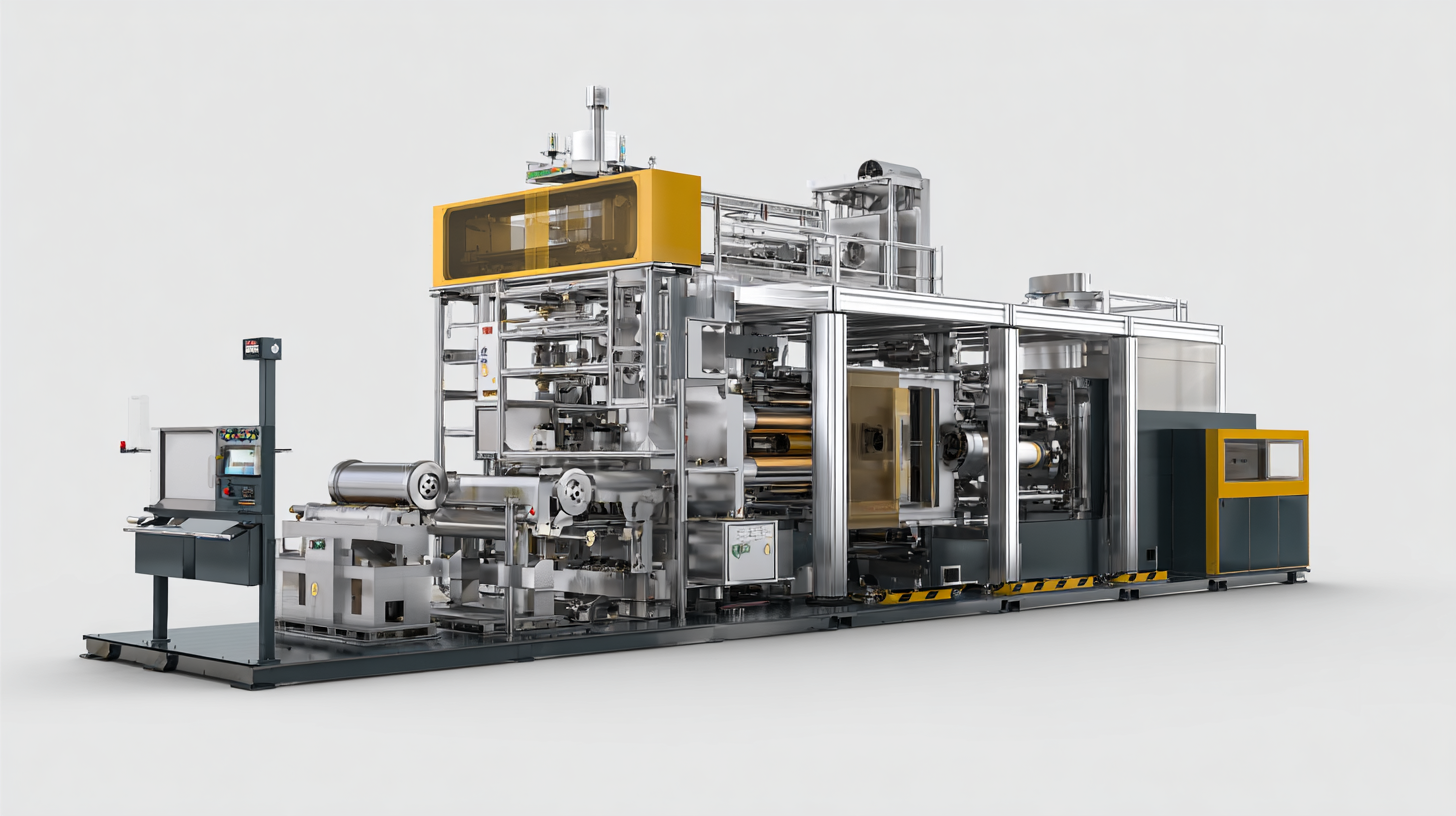
And it doesn’t stop there! The automotive industry is stepping up to the plate with these new thermoforming innovations too, showing just how flexible and effective they can be. A standout case was a manufacturer who switched from traditional methods to a more modern thermoforming approach, which let them produce parts that are both lightweight and super durable. As a result, they managed to slash vehicle weight, leading to better fuel efficiency and lower carbon emissions. All in all, these success stories really underscore how crucial it is for businesses to invest in top-of-the-line thermoforming machinery. It’s clear that companies across a bunch of different industries are catching on to how this technology can really streamline their operations and keep up with the ever-evolving market demands.
Innovative Solutions in Manufacturing: The Impact of the Servo Plastic Cup Forming Machine BC-S850 on Efficiency and Quality
The manufacturing industry is undergoing a transformative shift with the adoption of servo-driven technologies, particularly in the production of plastic cup forming machines like the BC-S850. This innovative machine harnesses the power of servo motors to enhance the precision and efficiency of the forming process, leading to remarkably consistent and high-quality products. According to industry reports, manufacturers that have integrated servo technology into their production lines have reported a reduction in waste by up to 15%, emphasizing the machine's capability to deliver precise measurements and reduce material costs.
One of the standout features of the BC-S850 is its ability to automatically feed and stack cups, streamlining the production process and significantly cutting down labor costs. Data indicates that automation in manufacturing can reduce labor costs by as much as 30%, allowing businesses to focus on scaling operations and improving profitability. Additionally, the BC-S850 allows for customizable settings tailored to different cup sizes and materials, offering unmatched flexibility that meets diverse client demands in a fast-paced market.
Furthermore, the transition from traditional hydraulic cupping machines to servo plastic cup forming machines like the BC-S850 is not merely a trend but a response to the increasing market demands for speed and quality. As consumer preferences evolve and sustainability becomes a focal point, manufacturers are recognizing that enhanced production speed combined with meticulous quality control is essential. The BC-S850 exemplifies this innovation, providing a solution that not only meets but exceeds the expectations of today’s manufacturing landscape.
FAQS
: Key features of high-quality thermoforming machines include energy efficiency, automation capabilities, and enhanced precision. These features contribute to product quality and optimized operational costs.
Energy-efficient machines can reduce operational costs by as much as 30%, according to a study published by the International Journal of Advanced Manufacturing Technology.
Automation technologies, such as robotics and real-time monitoring systems, improve productivity and reduce manual labor, making them increasingly vital in the modern workforce landscape.
Evaluating cost-effectiveness is crucial to balance quality and price, ensuring that you make informed decisions that lead to greater efficiency and lower operational costs over time.
The total cost of ownership should encompass maintenance and energy consumption in addition to the initial purchase price.
Manufacturers can ensure a worthwhile investment by conducting thorough market research, seeking feedback from current users, and looking for manufacturers that provide solid warranties and support services.
The packaging company reduced material waste and increased product turnaround time, which improved their bottom line and established them as a leader in sustainable practices.
The automotive sector benefited by producing lightweight yet durable components, leading to significant weight reductions, better fuel efficiency, and lower carbon emissions.
Successful implementations highlight the capability of thermoforming machinery to streamline operations and meet the demands of an ever-changing market across diverse industries.
Investing in cutting-edge thermoforming machinery is vital for businesses to enhance production efficiency, maintain a competitive edge, and drive business success in their respective fields.