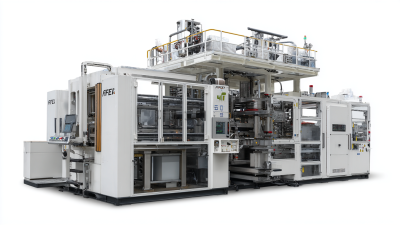
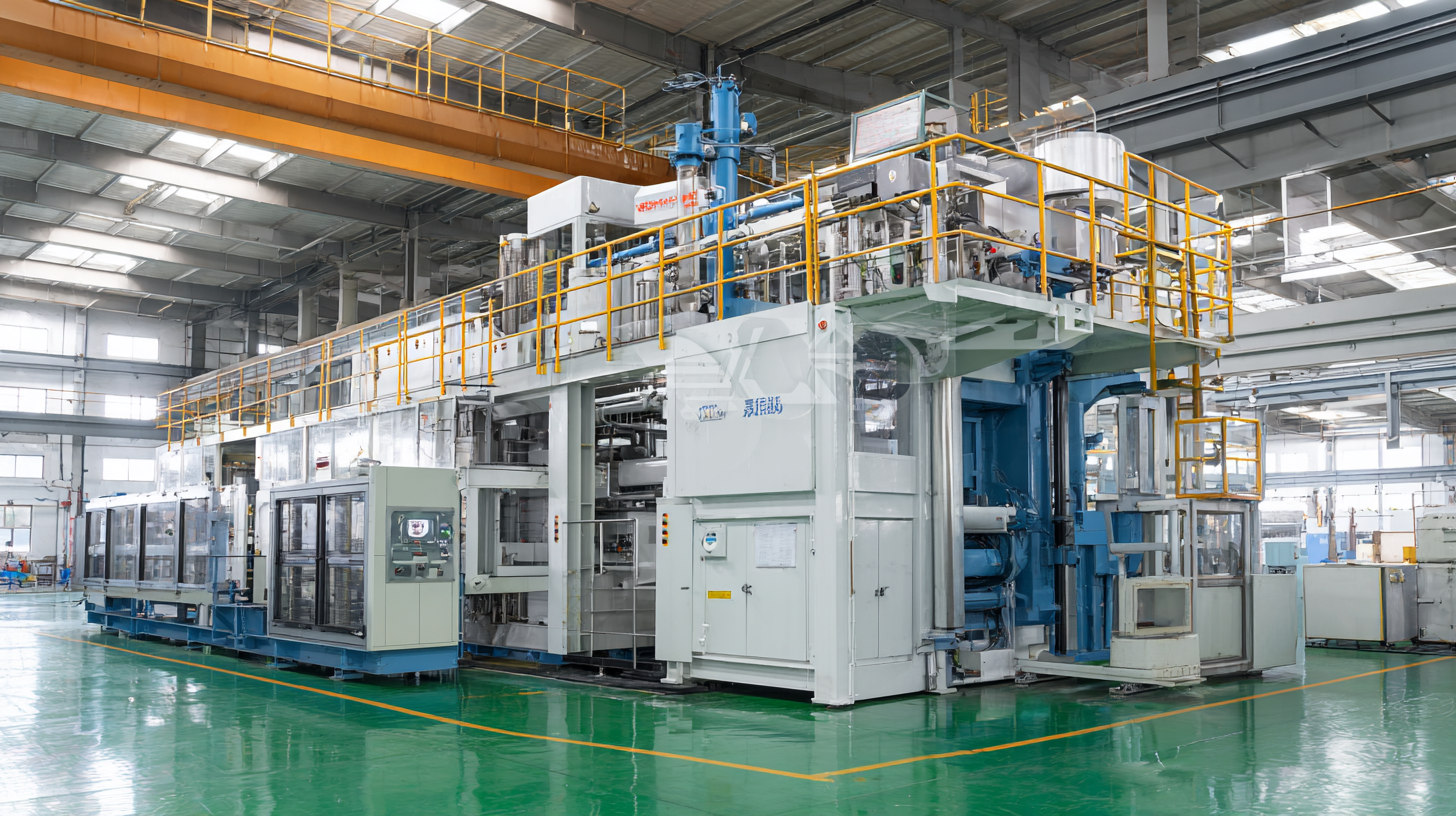
Hey there! So, have you heard about the Industrial ThermoForming Machine market? It’s really gearing up for some serious growth by 2025, and you can thank tech advancements and a surge in demand across all kinds of sectors like packaging, automotive, and consumer goods for that. A recent report estimates that the global thermoforming market could hit a whopping USD 8 billion, which means it’s growing at about 5.5% annually from 2020 to 2025. Companies like Ruian Bocheng Machinery Co., Ltd. are really leading the charge with innovative solutions that cater to the plastic industry’s needs.
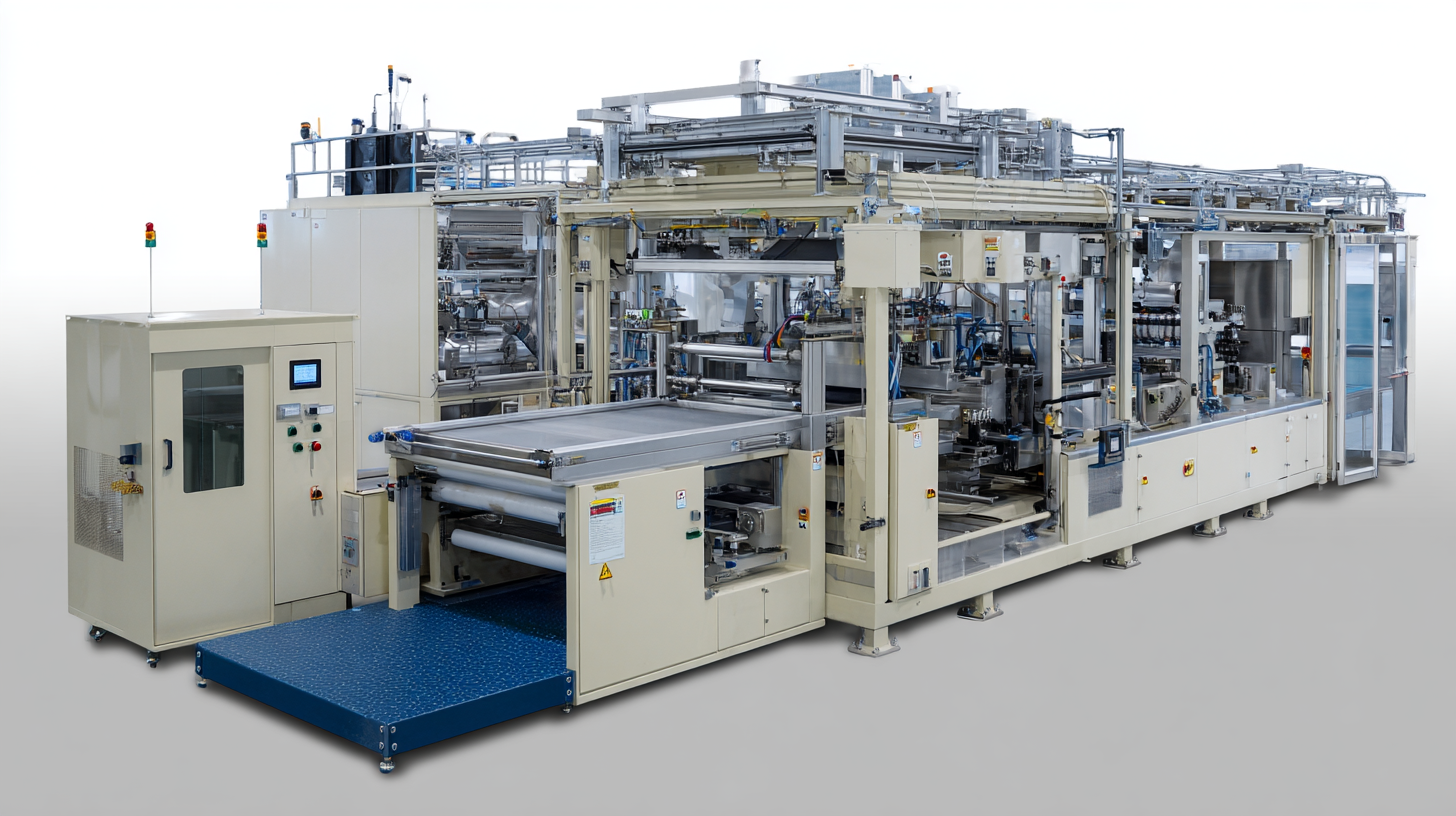
With over 15 years under their belt, Bocheng is all about delivering top-notch products and services designed to boost production efficiency and sustainability. As more industries wake up to the perks of automating processes and the quality of thermoformed products, you can bet that the Industrial Thermoforming Machine is going to be key in shaping not just the manufacturing landscape but also enhancing the consumer experience going forward.
Future Growth Prospects of the Industrial Thermoforming Machine Market by 2025
Hey there! So, you might want to know that the Industrial Thermoforming Machine Market is on track to see some pretty impressive growth by 2025. We're looking at a compound annual growth rate (CAGR) of about 4.5% from 2023 to 2025—that’s no small potatoes! A big chunk of this growth is due to the increasing demand for packaging solutions across all sorts of industries, like food and beverage, automotive, and consumer goods, to name a few. A recent market analysis report pointed out that more people are really leaning towards sustainable and lightweight packaging materials, which is driving the adoption of cooler thermoforming technologies. Companies are putting their money into innovations that boost efficiency and cut down on waste, all in line with those global sustainability goals we keep hearing about.
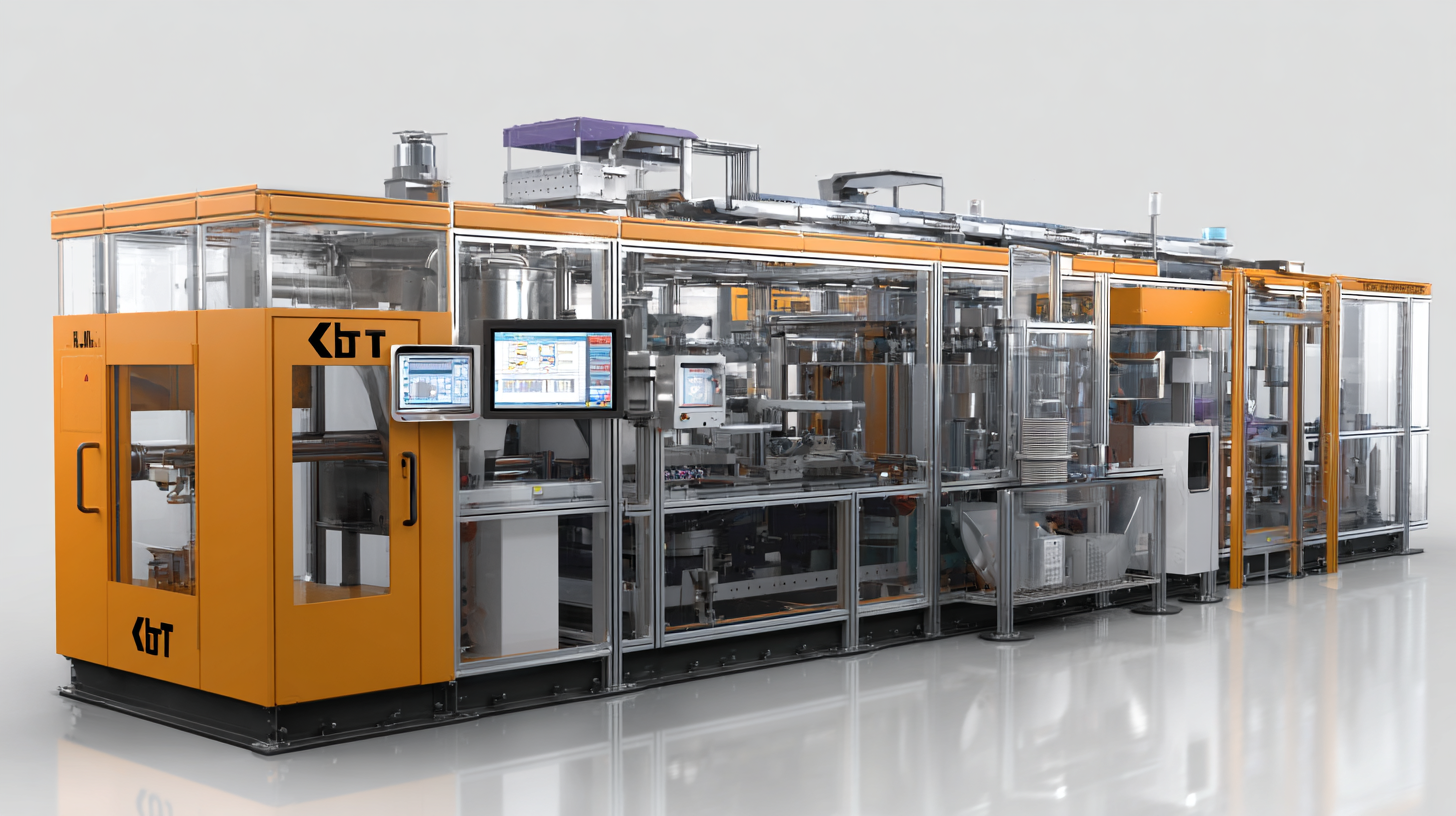
In real life, you’ll see industries using thermoforming machines to make their production processes a lot smoother. Take the Food Packaging sector, for example; vacuum forming is a game-changer for crafting those protective, form-fitting containers that help extend shelf life. This not only ticks the box for convenience but also keeps in line with food safety regulations, which is a huge plus. And guess what? By 2025, we’re likely to start seeingsmart thermoforming machines that come loaded with IoT capabilities. These will help manufacturers get real-time data analytics to tweak their production parameters, which sounds pretty nifty, right?
For anyone involved in the thermoforming industry, here are a few tips: Keep yourself updated on the latest tech developments and think about investing in some training for your team. Getting them up to speed on new equipment is so important! Plus, exploring partnerships with sustainable material suppliers could really amp up your product offerings and help meet those pesky environmental regulations. Focusing on research and development can definitely give companies a competitive edge as they adapt to what the market needs.
Emerging Technologies Revolutionizing Thermoforming Machine Efficiency
Hey there! So, if you're looking at the thermoforming machine market, get ready for some pretty exciting changes by 2025! It's all about the new tech that's really stepping up the game in terms of efficiency and flexibility. One of the coolest advancements? Automation and robotics are finally being brought into the thermoforming process. These innovations really speed things up, cut down on material waste, and keep production consistent. This means manufacturers can keep pace with growing demands while still delivering top-notch quality. Plus, switching between different product lines is now a breeze, which is a huge win for just-in-time manufacturing. It makes production way more agile, which is super important these days.
Then there’s the whole thing with new materials and energy-saving heating techniques. These materials are designed to be a lot more thermally efficient, which means less energy used during heating – and who doesn’t want to save on those operational costs? On top of that, we’ve got cool methods like infrared heating and laser tech that bring a whole new level of precision when it comes to applying heat. This is a game-changer, especially for crafting those detailed designs. And don’t forget about data analytics and IoT solutions; they’re enabling manufacturers to monitor everything in real-time and perform predictive maintenance. This all boosts the thermoforming machines' efficiency. Honestly, these advancements are not just reshaping how products are made; they’re also steering the industry towards more sustainable practices, which is something we can all get behind!
Real-World Applications of Thermoforming in Diverse Industries
You know, thermoforming is really taking off these days! It's popping up all over different industries, and it's all thanks to our need for lightweight, durable, and cost-effective materials. A recent report from Grand View Research even says that the global thermoforming market could hit a whopping $15.2 billion by 2025, growing at about 4.6% each year. A big chunk of this growth is coming from the automotive and packaging sectors, where folks love thermoformed products for their efficiency and performance.
In the automotive world, thermoforming is super important for making things like dashboards and door panels. These parts need to look good while still being sturdy, so it’s a bit of a balancing act. Plus, using advanced thermoformed materials not only trims down the overall weight of vehicles—which helps with fuel efficiency—but also opens up a ton of cool design options. And let’s not forget the food packaging side of things! The industry is all about using thermoforming techniques to whip up custom trays and containers that really stand out on the shelves and keep food fresher for longer. It’s amazing to see how versatile this technology is and how crucial it’s becoming in modern manufacturing across all sorts of fields.
Future Trends in Best Industrial Thermoforming Machine Market by 2025 with Real World Applications
| Industry | Application | Key Trends | Projected Growth (2023-2025) |
| Packaging | Trays and Containers | Increased demand for sustainable materials | 9% |
| Automotive | Interior Components | Adoption of lightweight materials | 7% |
| Consumer Goods | Blister Packs | Customization and innovative designs | 6% |
| Healthcare | Medical Packaging | Focus on sterility and safety | 8% |
| Electronics | Device Casings | Rise in protective packaging solutions | 5% |
Sustainability and Environmental Impact of Thermoforming Processes
You know, as more and more folks are looking to adopt sustainable manufacturing practices, the thermoforming industry is really stepping up to meet these new environmental standards. It's pretty awesome how thermoforming processes are gaining recognition for their ability to cut down on waste and boost recyclability. I mean, industry experts are saying that the global thermoforming market is set for some impressive growth, thanks to innovative materials and processes that really focus on sustainability. For example, using biodegradable plastics and energy-efficient machinery can seriously lower the carbon footprint, making thermoforming a much greener option overall.
At Ruian Bocheng Machinery Co., Ltd., we're all about giving the plastic industry solid solutions. We’re developing advanced thermoforming machinery that really gets in line with these eco-friendly trends. With over 15 years of experience in the game, we strive to create cutting-edge technologies that not only ramp up production efficiency but also do a number on environmental impact. By investing in machines that support sustainable materials, we’re helping our clients do their part in building a greener future while keeping quality high.
Oh, and here’s a tip: think about incorporating materials like recycled PET or bioplastics in your thermoforming processes; it’ll really boost recyclability. Plus, team up with suppliers who are serious about sustainability to make sure your operations align with those global eco-conscious efforts. Oh, and implementing energy-efficient practices in your machinery can also save you quite a bit of cash in the long run!
Key Players and Competitive Landscape in the Global Thermoforming Market
You know, the global thermoforming market has really become a key player in the industrial scene, driven by both tech advancements and what consumers are looking for these days. It’s interesting to see that major players in this space are putting a lot of effort into improving their packaging solutions so they can meet those sustainability goals. People really care about eco-friendly products more than ever! The competition here is pretty intense—there’s a mix of long-established companies and fresh, innovative startups all trying to stand out by using the latest technologies and materials.
Oh, and get this: the thermoform packaging market is set to hit around USD 82,880 million by 2032! That’s some serious growth, largely because of the booming demand in industries like pharmaceuticals and food and beverages. With so much focus on high-quality and sustainable packaging, we’re seeing big players making moves through mergers and acquisitions, which helps them strengthen their market position and expand what they can do. It’s such a dynamic ecosystem, really highlighting how important innovation is and pushing companies to keep up with the ever-changing market demands.
China's Role in Shaping the Future of Thermoforming Technology Worldwide
So, it turns out China is really stepping up its game in the world of thermoforming technology. By 2025, it’s expected to have a pretty big impact on market growth, thanks to improvements in manufacturing and some cool new materials. According to a MarketsandMarkets report, the thermoforming market is on track to hit around $8.78 billion by 2025, with a hefty chunk of that growth coming from China's lightning-fast industrial progress. The country's move towards eco-friendly materials and government initiatives supporting advanced manufacturing really puts it in the spotlight as the industry evolves.
As people start craving lighter and more sustainable packaging, China's investments in thermoforming tech are changing the game for production methods all around the globe. By ramping up efficiency and getting into automation, manufacturers in China aren’t just meeting their local demands but are also ready to share their innovations abroad. A study predicts that by 2025, China could account for more than 30% of the global thermoforming market share—that's huge!
A couple of tips:
- Keep an eye on what’s happening with China’s tech advancements; they could totally shake up global market trends.
- Think about working with Chinese suppliers and manufacturers to tap into their efficiency and fresh ideas in thermoforming applications. It could really pay off!
Maximizing Efficiency and Quality: The Benefits of Using Dry Mold Paper Machines in Modern Manufacturing
In the realm of modern manufacturing, the introduction of dry mold paper machines has set a new standard for efficiency and quality. These machines utilize paper as a raw material, which is not only biodegradable and recyclable but also promotes a healthier production environment. According to a report by Smithers Pira, the global demand for sustainable packaging solutions is projected to reach $500 billion by 2026, and dry mold paper products align perfectly with this trend.
The advantages of using dry mold paper machines extend beyond environmental benefits. These machines enhance production efficiency by streamlining the manufacturing process, reducing waste, and allowing for greater customization of products. For instance, the ability to produce lightweight packaging without compromising strength can help manufacturers meet the growing consumer demand for eco-friendly alternatives. Furthermore, research from the Paper and Paperboard Packaging Environmental Council indicates that paper products account for nearly 70% of the U.S. packaging market share, underlining their potential in daily life.
As businesses increasingly prioritize sustainability, adopting dry mold paper technology presents an opportunity for manufacturers to align with eco-friendly initiatives while responding to market demands. Embracing these machines not only aids in reducing carbon footprints but also supports a circular economy, making them a smart investment for the future of manufacturing.
FAQS
GR for the Industrial Thermoforming Machine Market from 2023 to 2025?
The growth is driven by rising demand for packaging solutions in various sectors such as food and beverage, automotive, and consumer goods, along with a preference for sustainable and lightweight packaging materials.
In the food packaging sector, thermoforming machines are used to create vacuum-formed containers that are protective and form-fitting, thereby extending shelf life and adhering to food safety regulations.
Smart thermoforming machines equipped with IoT capabilities that provide real-time data analytics for optimizing production parameters are expected to gain popularity by 2025.
Automation reduces cycle times, minimizes material waste, and improves production consistency, enabling manufacturers to respond quickly to rising demand.
Emerging technologies include the integration of robotics, advanced materials with better thermal properties, and energy-efficient heating techniques like infrared and laser technology.
Companies can enhance their product offerings by partnering with sustainable material suppliers and investing in research and development to adapt to market needs.
Data analytics, when combined with IoT solutions, allows manufacturers to achieve real-time monitoring and predictive maintenance, optimizing the efficiency of thermoforming machines.
These technologies not only improve production capabilities but also support sustainable practices by reducing energy consumption and material waste during the manufacturing process.