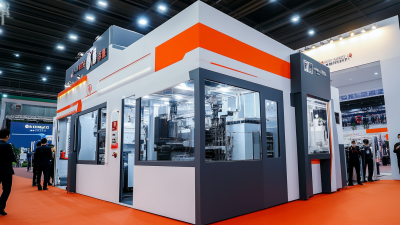
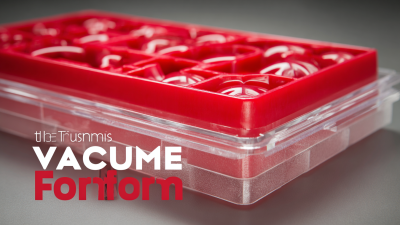
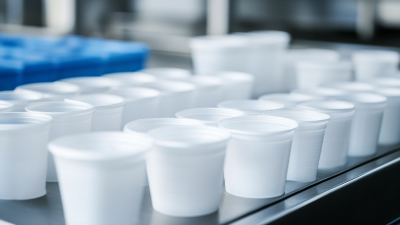
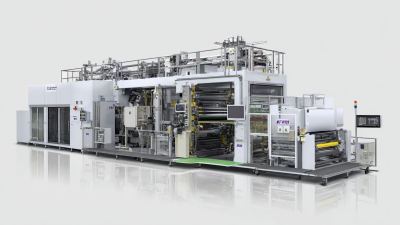
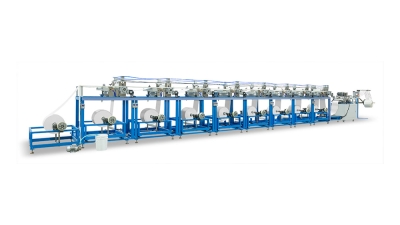
In the fast-changing world of packaging, the Blister ThermoForming Machine really manages to stand out—thanks to its impressive efficiency and versatility. It’s a real game-changer for manufacturers looking to step up their production game. If you’re like most businesses, you probably want to get a better grip on how these machines work, right? Well, that’s where companies like Ruian Bocheng Machinery come into play. With over 15 years under our belt, we’ve built a reputation as a top provider of complete solutions for the plastic industry.
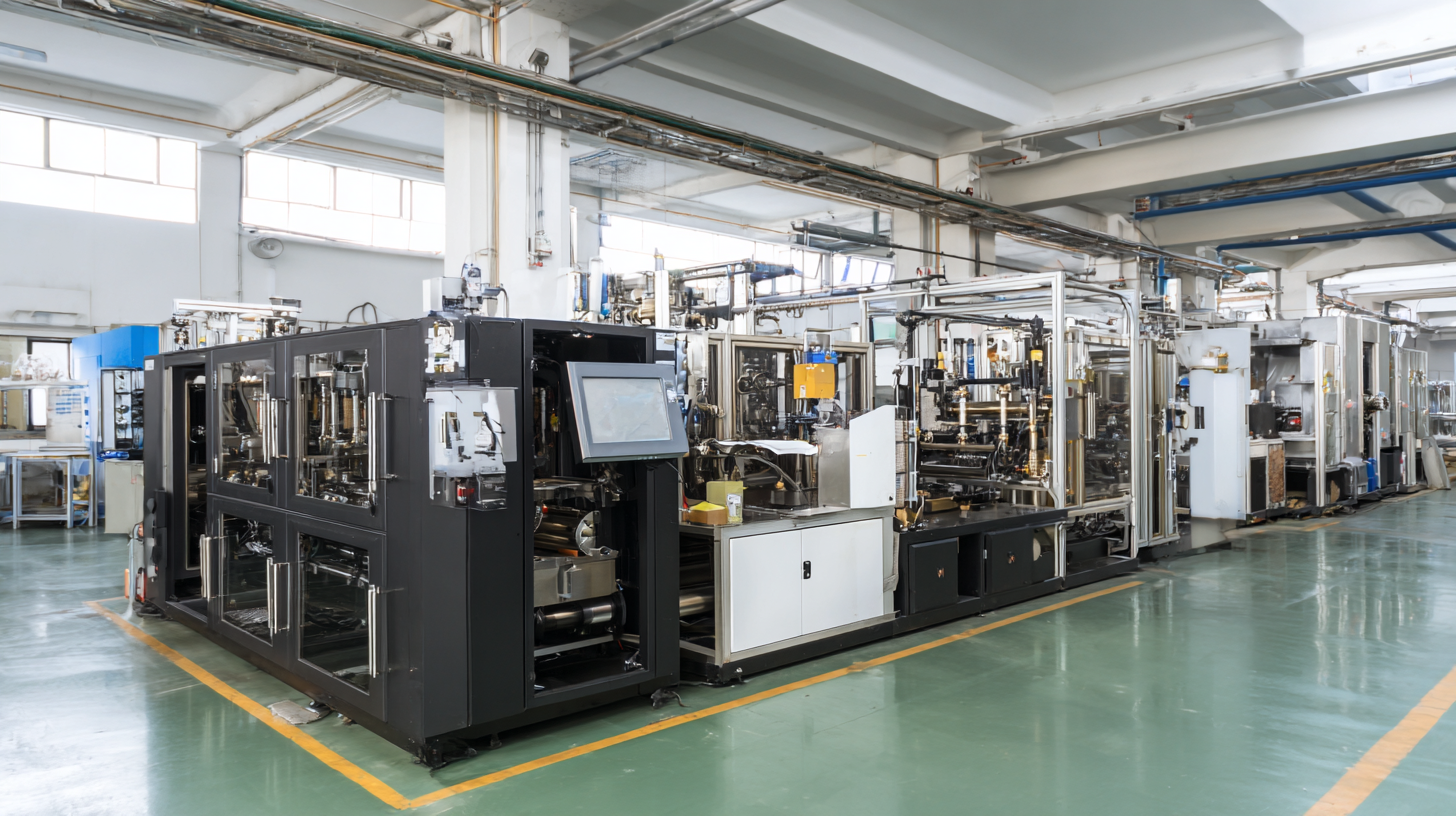
We’re based in Binhai Industry, Ruian City, Wenzhou, Zhejiang Province, China, and our whole goal is to offer products and services that truly meet what our clients need. This blog is going to walk you through some of the main benefits of the Blister Thermoforming Machine—like how it can help boost your production efficiency, cut down on material waste, and make your products look even better. All of these perks can really give your business a boost in a pretty competitive market.
What is Blister Thermoforming and Its Industrial Importance?
Blister thermoforming is a pretty common manufacturing process, and it’s used all over the place—think pharmaceuticals, Food Packaging, electronics, you name it. Basically, it starts with heating up a plastic sheet until it’s soft enough to shape, then drapes it over a mold to get the right form. Once that’s done, it’s sealed with a backing material to complete the package. I came across a report from Grand View Research that predicts the global blister packaging market will hit around USD 28.23 billion by 2027. That’s mainly because everyone’s really after packaging that's not just secure and efficient, but also helps products look better on shelves and stay fresh longer.
Now, on a practical level, blister thermoforming is a big deal in the industry because it’s pretty versatile and saves time and material. It cuts down waste compared to older methods, and it allows brands to get creative with designs—crucial when you’re trying to stand out somewhere crowded. Plus, the fact that you can produce all sorts of shapes and sizes means companies can meet specific safety standards, especially in pharma, where tamper-proof and child-resistant packaging isn’t just nice to have, but a must. And with more companies focusing on being eco-friendly, the move towards recyclable plastics in blister thermoforming is likely to grow. It’s a good step forward in the fight against plastic waste, and honestly, it just makes sense overall.
Understanding the Functionality of Blister Thermoforming Machines
Key Components of Blister Thermoforming Machines and Their Roles
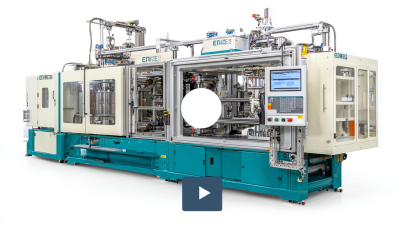
Blister thermoforming machines are pretty essential in the packaging world—they offer a solid way to shape plastics around all kinds of products. Honestly, understanding the main parts of these machines is super helpful if you want to get the most out of them. So, the big players here are the forming station, the heating system, and the sealing station. Each one has its own role — for instance, the forming station molds the heated plastic sheets into the right shape, the heating system makes sure everything’s evenly heated so your results stay consistent, and the sealing station sticks the formed plastic onto a backing, finishing off the blister pack.
If you’re looking to tweak the machine for better performance, I’d recommend doing regular maintenance checks—little things like making sure all parts are working smoothly can make a big difference. Also, calibrating the heating system regularly helps prevent uneven heating, which can mess up the final product. Using good quality materials is another smart move, since it can boost durability and make the blisters look better—happy customers, right?
Oh, and don’t forget about speed settings! Adjusting the machine’s speed depending on what you’re working on can really pay off. Slower speeds give you more control for complex designs, making sure everything lines up perfect. On the other hand, faster speeds are great for simpler shapes if you just wanna get things done quicker. By fine-tuning these settings based on your project, you’ll make better use of materials and cut down on waste—that’s a win-win.
The Thermoforming Process: Steps and Best Practices Explained
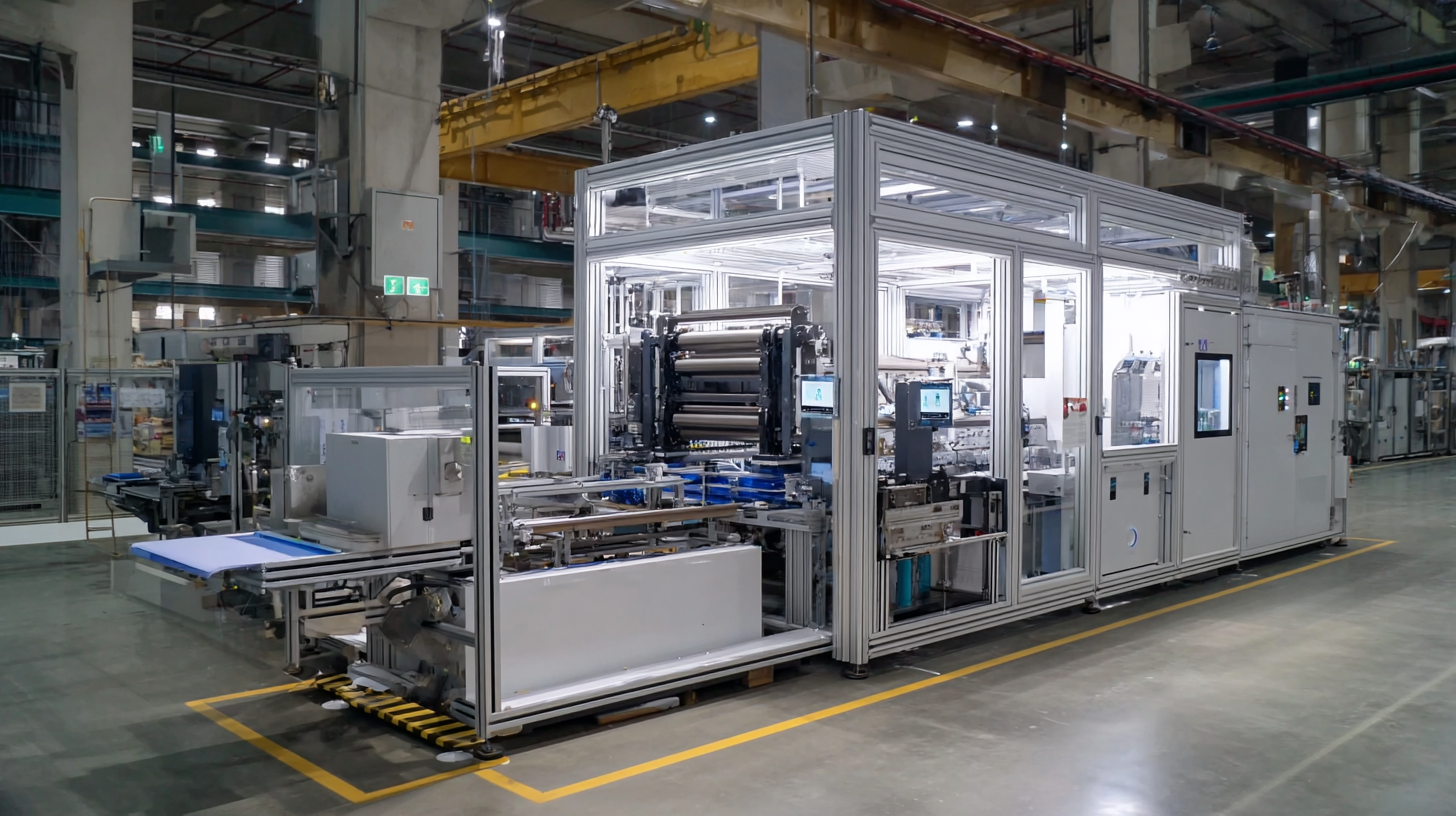
The thermoforming process is pretty much a key player when it comes to making plastics into specific shapes—by using heat and pressure, no less. It all starts with heating up a sheet of thermoplastic until it’s nice and soft, so you can stretch and mold it to fit a pattern. That first step really matters—if you don’t get the temperature right, the material might rip or just not hold its shape well, which is a nightmare in production.
After it’s heated just right, you quickly form the sheet over the mold, using vacuum or pressure to shape it. This part is what gives the final product its looks, so it’s important to follow best practices here. Keeping the temperature steady and sticking to the right cycle times makes a huge difference in getting a really high-quality finish. Also, investing in a good blister thermoforming machine can make life way easier—helping you cut waste, speed up production, and make sure every part is consistent. Whether you’re making packaging or consumer goods, understanding these steps and playing by the rules can unlock the full potential of thermoforming tech—and trust me, it’s worth it.
Market Trends: Growth Rate and Demand for Blister Packaging Solutions
The global blister packaging market is pretty much on a steady upswing, with numbers expected to grow from around $4.88 billion in 2025 to about $6.64 billion by 2032. That’s roughly a 4.5% annual growth rate, which isn’t too shabby. A big part of this boost is because more industries are craving packaging solutions that are not only efficient but also eco-friendly. Companies want to make sure their products stay safe and last longer, so blister packaging keeps gaining popularity—especially in pharma and food stuff.
At the same time, there's also a noticeable jump in the market for mycelium-based packaging, which was valued at roughly $8.49 million in 2024. Experts are predicting this segment will grow at a pretty impressive rate—over 9.4% CAGR from 2025 to 2034—mainly because people are more into eco-conscious and biodegradable options now. This shift toward sustainable materials pretty much mirrors a bigger industry-wide trend—businesses putting more emphasis on making sustainability a key part of their strategies. On top of that, blister thermoforming machines, which are specially designed to handle these innovative packaging types, are set to become crucial in helping meet these changing demands.
Case Studies: Successful Applications of Blister Thermoforming in Various Industries
Blister thermoforming machines have really changed the game in packaging across a bunch of different industries. They've proven to be not just efficient but also pretty versatile. Take the pharmaceutical world, for example—they’re used to make protective blister packs for medications, which helps keep products safe and compliant with safety standards. And let’s be honest, those clear plastic blister packs are pretty handy—they’re not only great for visibility but also do a good job of preventing tampering, making them perfect for high-value items.
On the consumer goods front, blister thermoformers really shine when it comes to eye-catching packaging that draws people in. Companies have used these machines to craft custom blister packs for everything from electronics and toys to food items. It’s no wonder sales have seen a nice boost! The cool thing is, these machines can mold pretty complex shapes, so brands can really get creative with packaging solutions that look good, attract attention, and keep products safe from damage.
**Tip:** When you're picking out a blister thermoforming machine, it’s super important to think about what materials you’ll be working with. Different plastics have their own quirks, so understanding whether they’ll play nicely with your intended use is key to getting the best results.
**Tip:** Keep your thermoforming machines in good shape with regular maintenance. Scheduling routine checks isn’t just about preventing surprises — it helps your equipment last longer and keeps everything running smoothly without unexpected downtime.
Comparative Analysis: Blister Thermoforming vs. Other Packaging Techniques
Blister thermoforming machines are pretty much essential in the pharmaceutical packaging world these days. They’re praised for being efficient and really good at creating those protective barriers around medicines. Funny enough, the global market for blister packaging is booming — experts are saying it could hit about $46.65 billion by 2034, with a solid growth rate of around 7.72%. That kind of growth shows how more companies are leaning toward blister packs instead of the older, traditional packaging methods. Part of the reason? They want packaging that’s reliable, keeps products safe, and makes sure medicines stay effective longer.
Now, when you compare blister thermoforming to stuff like lidding or flow wrapping, there are quite a few differences. For one, thermoforming allows manufacturers to create custom-shaped cavities that fit the product perfectly, which means less movement and lower risk of damage during shipping. According to reports on North American blister packaging trends, there’s been a noticeable shift toward using plastic films. These films aren’t just cheaper—they make everything clearer, so you can easily see the product inside without opening it up, while still being sturdy enough to do the job. All in all, with its flexibility to handle different shapes and sizes, blister thermoforming has become a go-to choice for pharma companies wanting to optimize their packaging and stay within all those strict regulations without much hassle.
Maximizing Efficiency and Quality: A Comprehensive Guide to Dry Mold Paper Machines
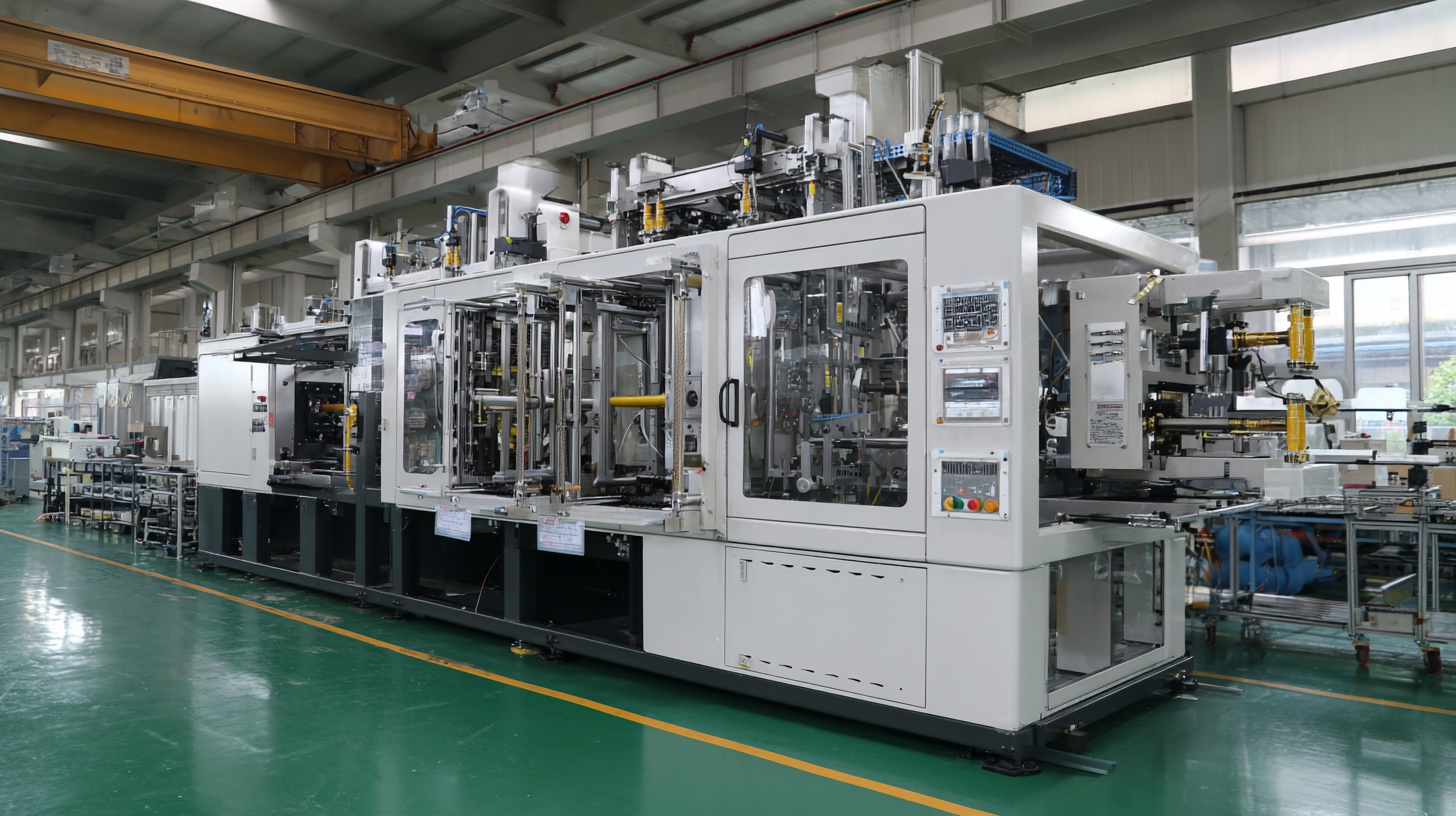
In today's fast-paced world, maximizing efficiency and quality in production processes is crucial for businesses. The introduction of dry mold paper machines offers a revolutionary approach to manufacturing that aligns perfectly with eco-friendly practices. These machines utilize paper as a raw material, which not only ensures the output is biodegradable and recyclable but also promotes a healthy and clean environment. By adopting these innovative machines, manufacturers can significantly reduce their ecological footprint while meeting the rising global demand for sustainable products.
Dry mold paper machines present an attractive option for industries aiming to leverage the benefits of environmentally responsible materials. As consumers increasingly prioritize sustainability, businesses can position themselves as leaders in the market by incorporating these machines into their production lines. The potential applications of dry molded paper products are vast, from packaging to household goods, making them an essential component for any company looking to innovate responsibly. With the dual advantages of efficiency in production and a commitment to sustainability, businesses can thrive in today’s environmentally-conscious landscape.
FAQS
: The global blister packaging market is projected to grow from approximately $4.88 billion in 2025 to $6.64 billion by 2032, with a compound annual growth rate (CAGR) of 4.51%.
Blister packaging is favored due to its ability to enhance product safety, extend shelf life, and provide efficient and sustainable packaging solutions across various industries.
The increase in consumer demand for eco-friendly and biodegradable packaging options is driving the rise in mycelium-based packaging, which is expected to grow at a robust CAGR exceeding 9.4% from 2025 to 2034.
Blister thermoforming machines have revolutionized the pharmaceutical industry by providing protective packaging for medications, ensuring product integrity, enhancing visibility, and complying with safety standards.
In the consumer goods sector, blister thermoforming allows for the creation of eye-catching packaging that enhances shelf appeal and can mold complex shapes, resulting in innovative and durable packaging solutions.
Companies should consider the compatibility of the materials they will be using, as different plastics have varying properties that can impact the effectiveness of the packaging.
Regular maintenance and routine checks of thermoforming machines can significantly enhance their longevity and performance, preventing unexpected downtime and ensuring smooth production operations.
The clear plastic blister packs used in blister packaging help deter tampering by providing visible protection for the products, ensuring that consumers can easily identify if the packaging has been compromised.
Conclusion
Blister thermoforming is one of those essential packaging techniques that you’ll find popping up in quite a few industries. It’s a reliable way to package products, offering both protection and efficiency. If you’re curious about how these machines work, it’s all about understanding their main parts and the step-by-step process of thermoforming. Getting the hang of best practices when operating them really helps in achieving top-notch quality and performance. Plus, if you’re keeping an eye on the market trends, it’s clear—there’s a growing buzz around innovative blister packaging options these days.
Here’s a little bit about us: Ruian Bocheng Machinery Co., Ltd., has been a leader in the plastic industry for over 15 years. We’re passionate about providing top-quality products and service. Our knowledge and experience with blister thermoforming machines put us right at the front of the game. Because of that, we’re able to offer customized solutions that fit a whole range of industrial needs. The fact that blister thermoforming is being successfully used across different sectors just proves how important and versatile it really is—making it a pretty solid alternative to other packaging methods.