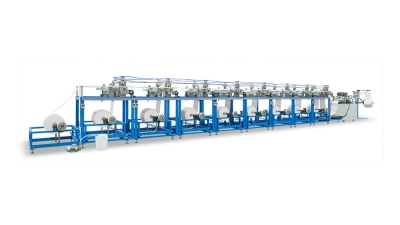
You know, in today’s food packaging world, things are changing really fast. For manufacturers, finding ways to boost efficiency is super important, especially when they’re trying to keep up with the rising demands of consumers while also keeping costs down. One of the pretty cool innovations that are making a big difference is the Vacuum Thermoforming Machine. It's this really versatile and efficient tool that helps produce top-notch packaging. Now, let's give a shout-out to Ruian Bocheng Machinery Co., Ltd. They’ve been leading the pack in the plastic industry for over 15 years, right out of Binhai Industry in Ruian, Wenzhou, Zhejiang Province in China. They really focus on offering amazing products and services, aiming to provide customized solutions that not only streamline production processes but also enhance packaging quality. In this blog, we’re going to dive into how the Vacuum Thermoforming Machine is used in food packaging, and I’ll share some handy tips on how to boost efficiency while keeping in line with the industry’s import and export certification standards.
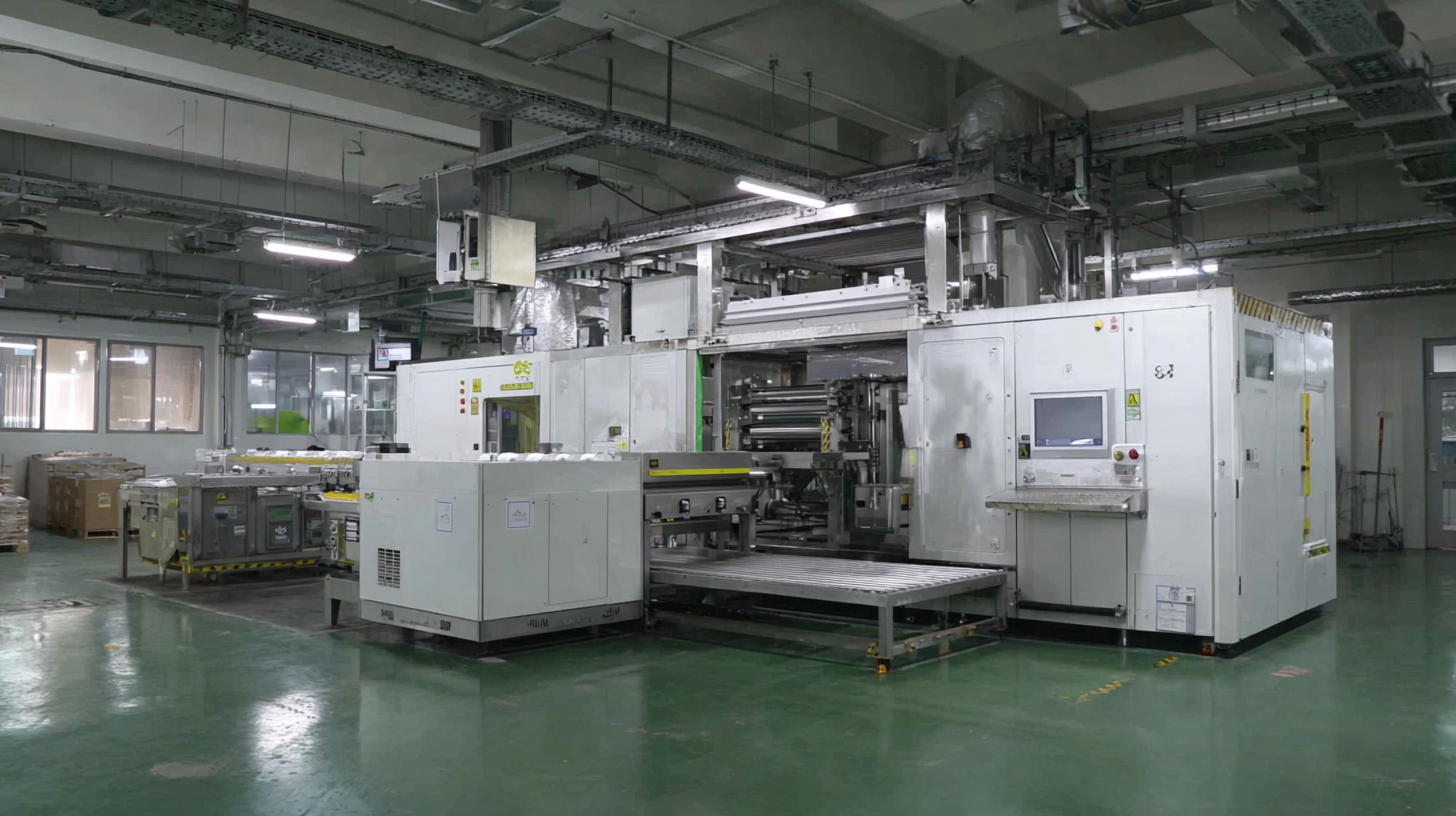
Understanding Vacuum Thermoforming: Key Concepts and Techniques
You know, vacuum thermoforming has really changed the game in food packaging. It's all about finding those efficient and cost-effectiveways to get things done. Basically, what you do is heat up a Plastic Sheet until it's nice and soft, then you mold it right over a shape to create custom packages for all sorts of food products. A report from the Freedonia Group even says that the market for thermoformed plastics is expected to hit a whopping$24 billion by 2025—pretty wild, right? It really shows there’s a growing demand for high-quality packaging.
If you’re looking to boost production efficiency, getting the hang of some key concepts and techniques in vacuum thermoforming is essential. One of the biggest tips? Nail that temperature control during the heating phase! It’s super important because the material’s ability to form depends on it. Keeping the heating element within a specific range helps avoid overheating or underheating, which means you’ll get consistent quality in your products. And hey, don’t skimp on a good vacuum pump either—its efficiency plays a big role in speeding up the thermoforming process and can seriously affect your overall productivity.
As tech keeps advancing, it's becoming more normal to see automation in vacuum thermoforming. Integrating automatic machinery can really streamline your operations, cut down on waste, and boost the quality of your packaging. For any businesses out there thinking about making these changes, a little regular maintenance goes a long way, too. It helps extend the lifespan of your machines and makes sure they’re always running at their best.
Benefits of Using Vacuum Thermoforming in Food Packaging
Vacuum thermoforming has emerged as a transformative solution in the food packaging industry, bringing significant benefits that enhance both efficiency and sustainability. According to recent market research, the global demand for vacuum packing machines is expected to exceed USD 4.9 billion by 2024, with a compounded annual growth rate (CAGR) of 5.1% projected from 2025 to 2034. This growth is largely driven by a rising demand for more efficient and effective food packaging solutions that meet the needs of both producers and consumers alike.
One of the standout advantages of vacuum thermoforming in food packaging is its ability to extend shelf life while maintaining product quality. Innovative techniques in vacuum packing, particularly in applications such as cheese packaging, have been developed to optimize freshness and reduce waste. These advancements reflect a growing trend towards sustainable packaging formats, which aim to incorporate renewable or recycled materials into their designs. As the industry evolves, adopting vacuum thermoforming technologies not only fulfills market demand but also aligns with the increasing focus on creating environmentally responsible packaging solutions.
Innovative Applications of Vacuum Thermoforming in the Food Industry
You know, vacuum thermoforming has really changed the game in the food packaging world. It’s got some seriously cool solutions that help out with efficiency and being more eco-friendly. This technique lets manufacturers whip up some pretty intricate packaging designs that not only look great but are super functional too. Being able to create those complex shapes means that vacuum thermoformed packages can do a better job at keeping perishable goods fresh, which helps extend their shelf life and cut down on food waste. I mean, just think about those customized clamshells and trays made to fit specific food items – they can really make a difference in how products are organized and displayed on store shelves!
And there’s also this awesome side of vacuum thermoforming—it’s all about eco-friendly packaging. These days, a lot of folks are looking for sustainable options, so manufacturers are switching gears and using recyclable and biodegradable thermoplastic materials for packaging. The cool part about vacuum thermoforming is that it not only supports the use of these greener materials but also cuts down on waste thanks to its precision manufacturing processes. Plus, the lightweight nature of thermoformed packaging helps lower transportation costs and reduces carbon footprints. Talk about a win-win for businesses and the planet!
Efficiency in Food Packaging: Vacuum Thermoforming Applications
Tips for Optimizing Efficiency with Vacuum Thermoforming Machines
You know, vacuum thermoforming machines really play a huge role in making food packaging more efficient. But, here's the thing—getting the most out of them means you need to be pretty savvy about best practices. One big tip? Make sure that your machine settings match up with what your packaging material needs. If you tweak the temperature and vacuum levels based on the type of material you're using, it can seriously boost the molding process. Less waste and faster production? Yes, please! Also, don’t forget to regularly check and maintain those heating elements and vacuum pumps; it really does help keep everything running smoothly and adds some extra years to their life.
Now, let's talk about workflow. It’s really smart to think about automating wherever you can. Automating things like loading and unloading saves a ton of time and cuts down on human errors too, which is a win! Plus, having a solid inventory management system for your packaging materials is key. It can help dodge those annoying delays and keep your production line humming right along. Oh, and don’t underestimate the power of training your team on how vacuum thermoforming works. When they know their stuff, they can catch and deal with potential hiccups before they even become a problem, which really helps build a sense of efficiency and precision in food packaging.
Unlocking Efficiency in Food Packaging with the Best Vacuum Thermoforming Machine Applications and Tips
| Application Area | Material Used | Efficiency Tip | Estimated Production Rate (products/hour) |
| Meat Packaging | PVC, PET | Optimize mold design for improved cycle time | 120 |
| Dairy Products | PP, PS | Use pre-cut sheets to reduce material waste | 90 |
| Bakery Goods | PLA, PET | Implement regular maintenance for machinery | 150 |
| Frozen Foods | Nylon, EVA | Consider multi-layer films for longer shelf life | 110 |
| Snacks Packaging | PET, BOPP | Ensure proper sealing temperatures | 200 |
Future Trends in Food Packaging Technology and Vacuum Thermoforming
You know, with the way people are really starting to care about food packaging these days, vacuum thermoforming technology is becoming a big deal. It's not just about keeping food fresh anymore; it actually helps make production more efficient, too. If you take a look at what's coming up, it seems like everyone's leaning towards sustainable packaging now. Manufacturers are really putting their money into bio-based materials that can help cut down on the environmental footprint. Plus, companies are eager to get their hands on the latest vacuum thermoforming machines that can handle recyclable and compostable materials—after all, consumers are all about those eco-friendly options these days.
And let me tell you, automation and smart tech are really going to shake things up in the vacuum thermoforming game. With real-time monitoring and AI tools, businesses can fine-tune their production lines, trim down on waste, and boost product quality. As we push ahead, I think the mix of vacuum thermoforming and digital tech is going to transform how we do food packaging entirely, making it super adaptable to what the market needs right now. If companies embrace these changes, they’ll not only stay ahead in innovation but also tackle those sustainability issues that are on everyone's mind these days.
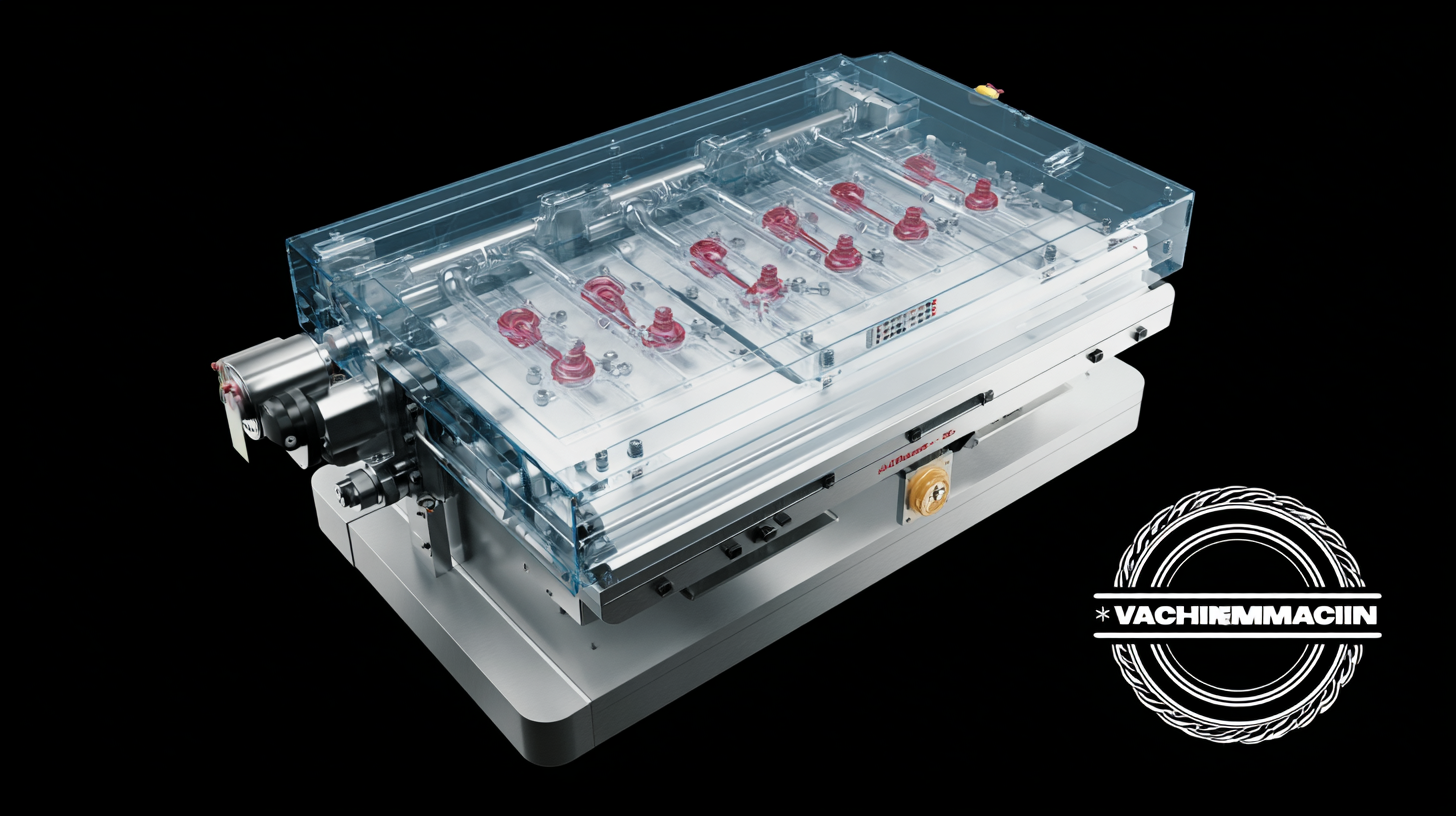
Selecting the Right Vacuum Thermoforming Machine for Your Needs
Choosing the right vacuum thermoforming machine for your packaging needs can feel a bit daunting, right? It’s really important to get a grip on what exactly your products need. If you’re in industries like food packaging or medical devices, the selection criteria can get pretty intricate. You know, a lot of medical device manufacturers can easily forget about packaging design, but honestly, it’s super crucial to follow those tricky regulatory requirements. I recently came across this report that pointed out how bad packaging could lead to some serious costs—think penalties and even product recalls. Not fun at all!
To really boost your efficiency, here are a few tips to keep in mind: First off, check if your materials are compatible with the vacuum thermoforming process. Picking the right material doesn’t just tick the compliance box; it also helps your product stand the test of time. Next, you should definitely look for machines that come with centralized vacuum systems. These bad boys can save you a ton on energy and maintenance costs. In fact, some reports show you could save over $21,000 a year with setups like this! Lastly, think about how scalable the machine is—make sure it can handle your growing production needs without skimping on quality.
By taking the time to assess your specific needs and following these strategies, you’ll be able to pick a vacuum thermoforming machine that not only boosts your packaging efficiency but also meets all those pesky regulatory standards.
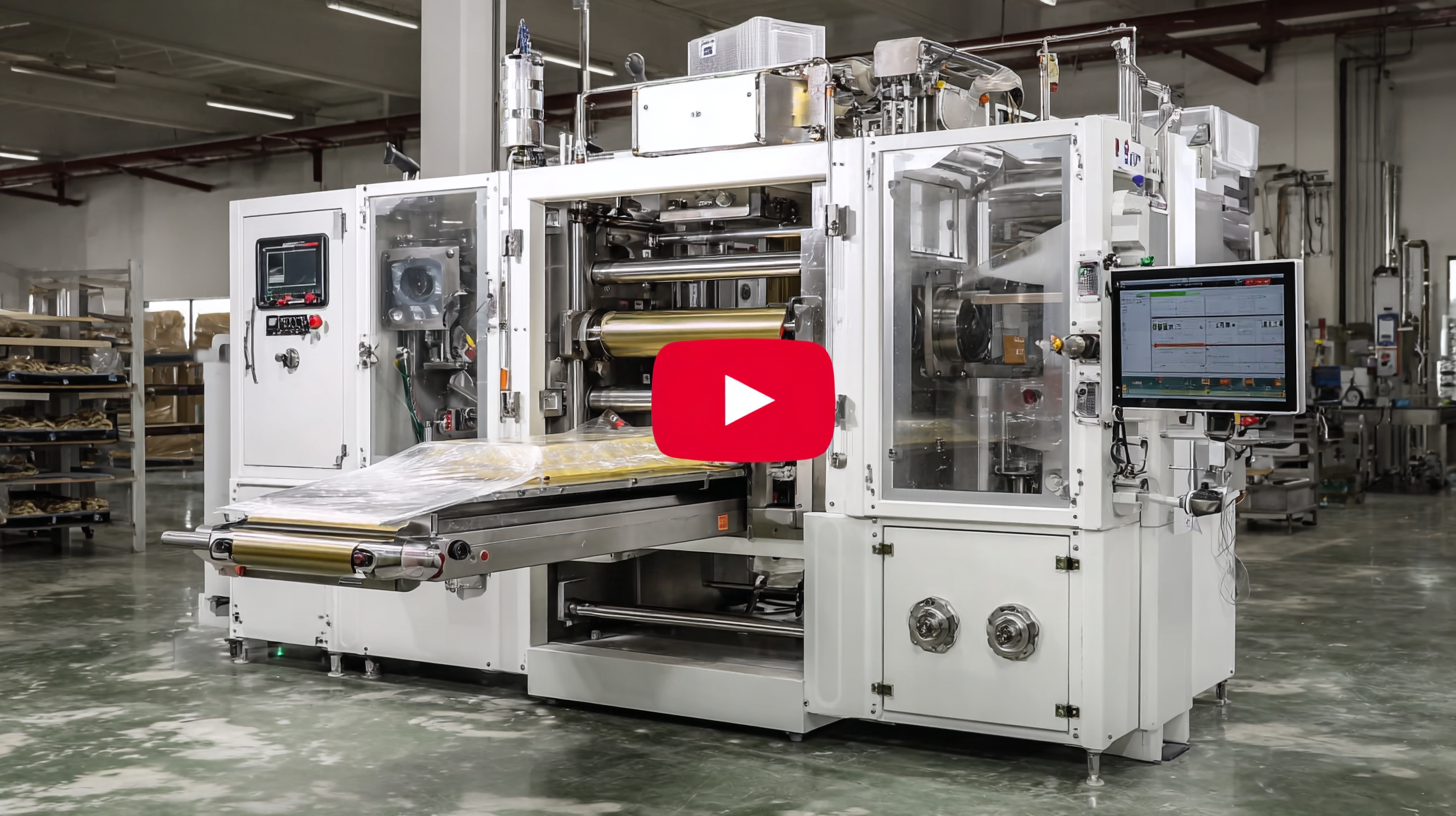
Unlocking Efficiency: A Comprehensive Analysis of the Dry Mold Paper Machine and Its Impact on Production Metrics in the Paper Industry
The paper industry is constantly evolving, and one of the most promising advancements is the development of the Dry Mold Paper Machine. This innovative technology plays a crucial role in enhancing production metrics by streamlining processes and improving efficiency. Unlike traditional methods, the Dry Mold Paper Machine utilizes paper as its primary raw material, transforming it into high-quality products that align with modern environmental standards. This shift not only reduces waste but also promotes the use of biodegradable and recyclable materials, making it an ideal choice for businesses looking to adopt eco-friendly practices.
As the demand for sustainable products grows, the Dry Mold Paper Machine stands out as a solution that addresses both production efficiency and environmental responsibility. By utilizing healthy and clean manufacturing processes, this technology opens up significant potential for companies in the paper industry. With a focus on creating products that are not only functional but also environmentally friendly, businesses can attract a broader customer base that values sustainability in daily life. Whether it's packaging, disposable tableware, or other paper products, the impact of this machine on production metrics is profound, paving the way for a greener future in the industry.
FAQS
: Vacuum thermoforming is a packaging technique that helps extend the shelf life of food products while maintaining their quality. It is important for food packaging because it aligns with the rising demand for efficient and sustainable packaging solutions.
Vacuum thermoforming incorporates renewable or recycled materials into packaging designs, thereby reducing waste and promoting environmentally responsible practices in the food packaging industry.
Key tips include adjusting machine settings to match packaging material specifications, regularly maintaining equipment, streamlining workflows through automation, and training staff on best practices in vacuum thermoforming.
To select the right machine, evaluate the compatibility of materials with the process, look for centralized vacuum systems to reduce costs, and consider the scalability of the machine for increased production demands.
Medical device manufacturers often overlook packaging design, which is critical for compliance with complex regulatory requirements. Improper packaging can lead to significant cost implications, including penalties and product recalls.
The global demand for vacuum packing machines is projected to exceed USD 4.9 billion by 2024, with a compound annual growth rate (CAGR) of 5.1% expected from 2025 to 2034, driven by the demand for effective food packaging solutions.