Picking the right Plastic Thermoformer isn't just about ticking boxes — it can really make a difference in how smoothly your production runs and the quality of your final product. I remember David Johnson from Thermoforming Innovations mentioning, “Choosing the right equipment can make or break your manufacturing process.” It’s pretty clear that making an informed choice is key, right?
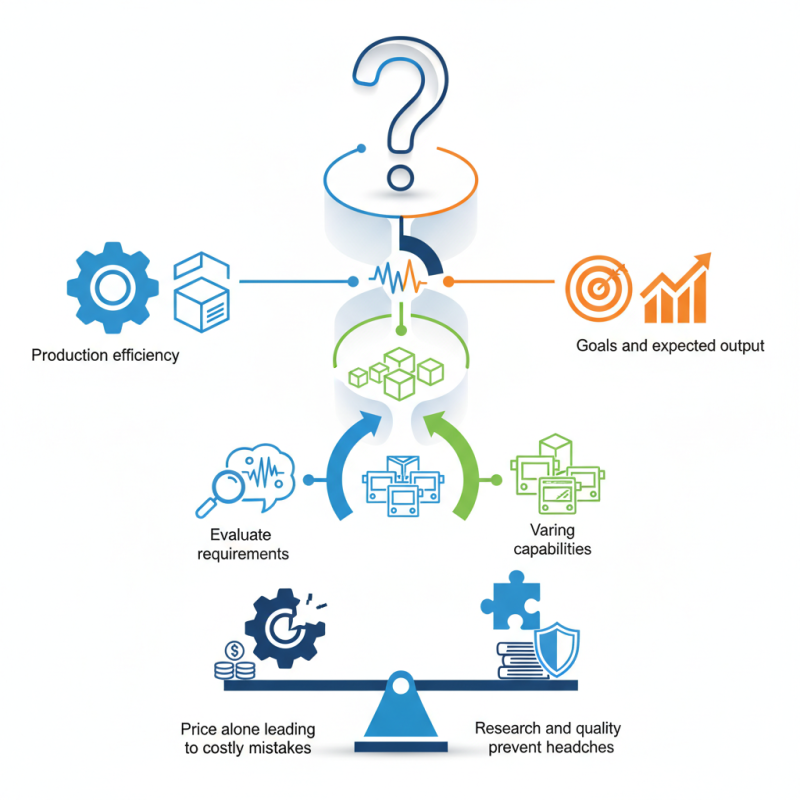
When you're in manufacturing, your needs can be all over the place. Taking a moment to figure out what really matters in your setup can help cut down the options. Different models have their own strengths and features, so it’s worth thinking about what kind of tasks you'll need them for. Each thermoformer has its own set of specs, so aligning them with your goals and expected output is super important.
A lot of companies miss this part, though — they go straight for the lowest price without considering if the quality or durability’s up to scratch. That can end up costing a lot more in the long run if you have to replace or repair stuff more often. Getting into the details now by doing a bit of research can save you some serious headaches down the line. Trust me, a little time spent on this step can really pay off later on.
Understanding Plastic Thermoforming and Its Applications
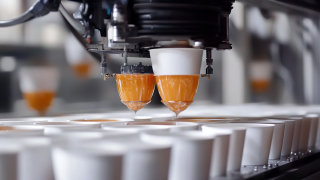
Plastic thermoforming is a versatile manufacturing process. It involves heating Plastic Sheets until they're pliable. Once softened, the sheets are stretched over a mold. This creates various shapes and sizes ideal for many applications. You often see thermoformed products in packaging, automotive parts, and medical devices. Each application has distinct requirements.
Choosing the right thermoformer matters. Different types of thermoformers exist, and each suits specific needs. For instance, some are better for high-volume production. Others are ideal for custom or small-batch runs. The choice can impact cost and efficiency. It’s essential to analyze your production volume and product complexity. Reflecting on these factors is crucial to avoid costly mistakes.
Keep in mind, not every thermoformer will meet expectations. Overestimating capabilities may lead to delays. Underestimating production needs can result in inefficiencies. It's a balancing act. Consider testing prototypes before committing fully. This approach allows you to assess fit and function better. It may reveal gaps in understanding the technology and its limitations. Explore different options before making a final choice.
Plastic Thermoforming Applications by Industry
Key Factors to Consider When Choosing a Thermoformer
Choosing the right plastic thermoformer involves considering several key factors. First, evaluate the material types you intend to work with. Different thermoformers handle various plastics differently. Knowing the plastics you’ll use can help narrow your choices. Thickness and size also matter. Ensure the thermoformer can handle the dimensions you require for your projects.
Production speed is another crucial factor. Some thermoformers operate faster than others. If your business demands quick turnaround times, prioritize models designed for high-speed operations. Check the energy efficiency of each machine, as operating costs can vary significantly. A machine that uses less energy may save money over time.
Finally, assess the ease of maintenance and support available. Maintenance can be a hassle if the manufacturer's support is lacking. Look for models that offer user-friendly controls and maintenance features. A machine may seem ideal until you realize it’s difficult to repair or operate. Finding a balance between functionality and practicality ensures you make a wiser investment.
Different Types of Plastic Thermoformers and Their Features
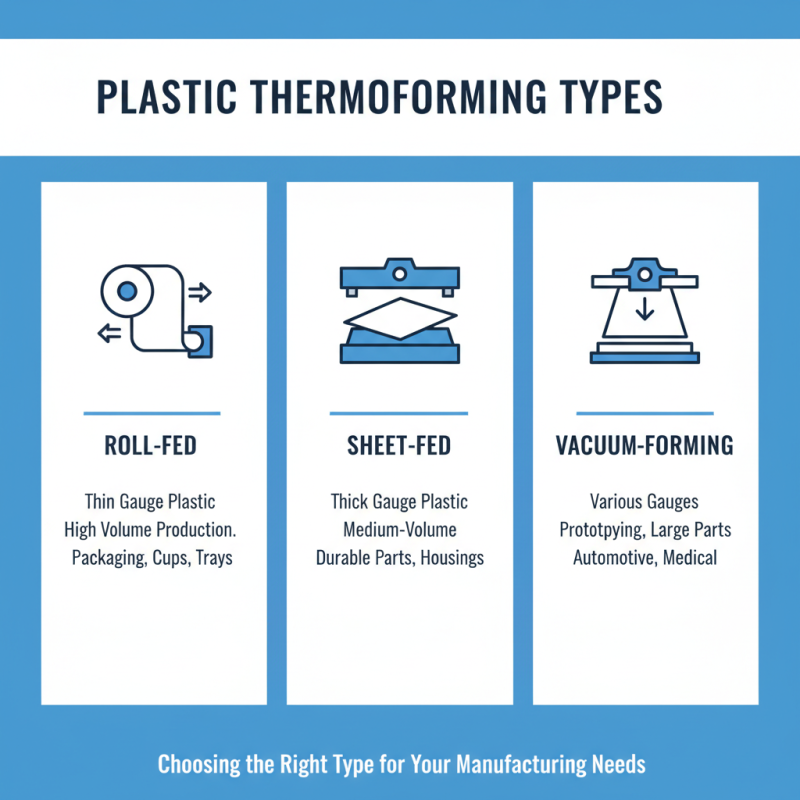
When choosing a plastic thermoformer, understanding the different types is vital. There are several styles available: roll-fed, sheet-fed, and vacuum-forming. Each type serves specific purposes and caters to various manufacturing needs.
Roll-fed thermoformers use continuous rolls of plastic. They are ideal for high-volume production. The machine forms, cuts, and stacks products efficiently. However, if you have smaller runs, this might not be the best choice. Sheet-fed thermoformers handle individual sheets of plastic. They offer flexibility for custom shapes but can be slower in production speed. This trade-off can impact timelines.
Vacuum-forming machines are another option. These can create intricate designs, allowing for creativity. They are often favored for prototypes or custom packaging. However, setting up these machines can sometimes be cumbersome. Production runs might not be as efficient compared to roll-fed systems. Evaluate what matters most: volume, speed, or design complexity.
Evaluating Production Capacity and Efficiency Requirements
When selecting a plastic thermoformer, assessing production capacity is crucial. Consider your average output needs. High-volume production requires efficient machines. Look for equipment that can meet your peak demands without straining. Think about the types of products you’ll create. Will they be small, intricate designs or larger, bulkier items? Each type has its own challenges.
Efficiency plays a key role in overall effectiveness. Machines with faster cycle times can significantly reduce costs. However, consider the trade-offs. Are you sacrificing quality for speed? Balancing these aspects might require careful thought. Additionally, maintenance requirements can influence your decision. A machine that is hard to maintain could lead to downtime. This will affect your production flow. Regular inspections and easy access to parts are essential for longevity.
Production capacity and efficiency go hand in hand. If you desire to expand in the future, choose a thermoformer that can scale up. However, avoid getting caught up in the latest technology. Sometimes, older models perform better for specific tasks. Reflect on your priorities and think long-term. Investing time in understanding these factors can lead to better choices.
Assessing Cost vs. Quality in Thermoformer Selection
When selecting a plastic thermoformer, balancing cost and quality is essential. A recent industry report indicated that lower-cost thermoformers may come with hidden costs. For example, cheaper machines might require more frequent maintenance. This can lead to higher long-term expenses. Investing in a quality machine can save money over time.
Quality thermoformers offer precise temperature control and better material handling. These features significantly affect production efficiency. According to industry studies, high-quality models can reduce material waste by up to 25%. This reduction not only saves costs but also supports sustainability goals. However, upfront costs may deter some businesses. It's crucial to evaluate the return on investment.
Selecting a thermoformer also involves assessing production volumes. For small batches, lower-cost options might suffice, despite their limitations. Conversely, high-volume production often necessitates a more robust machine. This can raise initial expenses but yield better results. Companies often wrestle with these decisions. Accurate data on production needs is crucial for making informed choices. Balancing cost and quality is not straightforward, but it is necessary for long-term success.
Maintenance and Support Considerations for Thermoforming Equipment
When selecting a plastic thermoformer, maintenance and support are critical factors. A well-maintained machine increases efficiency and extends its lifespan. Regular servicing is essential. It prevents unexpected breakdowns that can halt production. Understand the maintenance requirements of the model you choose. Some machines need more attention than others.
Tips: Schedule routine inspections. Early detection can save time and money. Establish a maintenance log. Track repairs to spot patterns that need addressing. This helps to avoid recurring issues.
Support services are equally important. Ensure the manufacturer provides reliable technical assistance. It can be frustrating if you experience long downtimes due to poor support. Check if they offer training sessions for your team. Knowledgeable staff can perform minor repairs, reducing reliance on outside help.
Consider the availability of parts as well. Having quick access to essential components can minimize production delays. Research shows that slow repairs can lead to loss of revenue. An efficient support system is worth the investment.
Future Trends in Thermoforming Technology and Their Impact
The future of thermoforming technology seems promising, but challenges remain. Market research indicates that the global thermoforming market is projected to reach $8.85 billion by 2026. This growth presents opportunities for innovation. However, companies must navigate evolving consumer expectations and sustainable practices.
One trend is the shift towards eco-friendly materials. Many industries are pushing for biodegradable and recyclable options. According to a survey by Grand View Research, 52% of consumers prefer products with sustainable packaging. Yet, finding the right materials that meet these criteria while maintaining functionality is not straightforward. Companies often grapple with performance versus environmental impact.
Automation and smart technology are transforming thermoforming processes. According to a report from Smithers Pira, automation could improve production speed by up to 40%. Smart machinery can monitor processes in real-time. However, the high investment costs in such technologies can be daunting. Small manufacturers may find it hard to compete without significant capital. This situation calls for careful consideration of investments versus potential gains. Balancing innovation with financial sustainability is critical for future success.
How to Choose the Right Plastic Thermoformer for Your Needs? - Future Trends in Thermoforming Technology and Their Impact
| Feature | Importance | Trends | Impact |
| Material Compatibility | High | Bio-based Materials | Sustainability in Production |
| Production Speed | Medium | Automation Technologies | Increased Efficiency |
| Energy Efficiency | High | Eco-friendly Machines | Reduced Operating Costs |
| Customization Options | High | Advanced Software Integration | Enhanced Product Versatility |
| Maintenance Requirements | Medium | Predictive Maintenance Technologies | Lower Downtime |
Innovative Solutions for Efficient Production: The Hydraulic Plastic Cup Molding Machine BC-H750
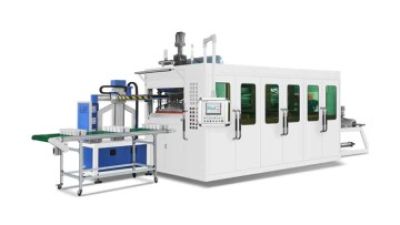
The hydraulic plastic cup molding machine, particularly the BC-H750, represents a significant advancement in production efficiency and reliability. With a maximum forming area of 830x300mm and a forming depth of 150mm, this machine caters to diverse manufacturing needs, enabling the creation of various cup sizes. Operating at an impressive speed of up to 30 molds per minute, it showcases the integration of hydraulic drive systems that enhance both stability and operational performance.
The stable hydraulic driving system not only ensures sustained working speed but also provides consistent point impact pressure during the forming and cutting processes. This precision is essential in achieving high-quality outputs, reducing material waste, and increasing overall productivity—a crucial factor in the highly competitive plastic molding industry. According to recent industry reports, manufacturers utilizing advanced hydraulic systems can improve their production efficiency by as much as 25%, translating to significant cost savings and lower operational downtime.
In addition to its robust capabilities, the BC-H750 offers features such as automatic feeding and stacking, allowing for streamlined workflows that are essential in high-volume production environments. Customizable settings for different cup sizes and materials further enhance the versatility of this machine, making it an ideal solution for manufacturers seeking to innovate and optimize their production processes. As industries strive for efficiency and sustainability, machines like the BC-H750 are key to meeting evolving market demands while maintaining high standards of quality.
FAQS
: The content aims to inform readers about specific topics in an engaging manner.
It uses relatable examples and detailed descriptions that draw the reader in effectively.
Yes, the articles discuss pitfalls that people often encounter, encouraging reflection on these issues.
The topics include various practical aspects that require thought and attention to detail.
The tone is more casual, aiming for a conversational style that feels accessible.
Most sentences are kept under 20 words for clarity and simplicity in understanding.
The articles suggest being open to feedback and critically assessing methods used.
Yes, real-life situations are incorporated to illustrate key points and improve relatability.
No, the content avoids complex terminology, focusing on clear communication instead.
Readers can consider their own experiences and how they relate to the discussed content.
Conclusion
Choosing the right plastic thermoformer requires a comprehensive understanding of the thermoforming process and its diverse applications. Key factors include the types of thermoformers available—each offering unique features that cater to different production needs. Evaluating production capacity and efficiency is crucial, as well as considering the balance between cost and quality, which will ultimately influence overall performance and longevity of the equipment.
Additionally, maintenance and support are vital for ensuring the continued effectiveness of a plastic thermoformer. Lastly, staying informed about future trends in thermoforming technology can provide insights into advancements that may impact production capabilities and operational efficiency. By thoughtfully considering these elements, businesses can make informed decisions that align with their specific thermoforming requirements.