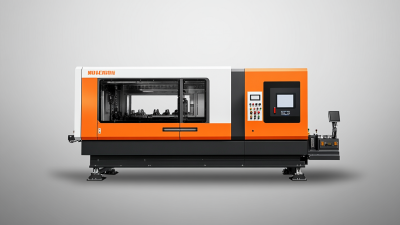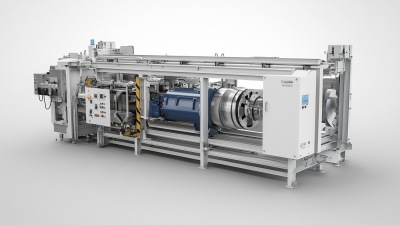
You know, the plastic industry is really changing fast these days, and it’s no surprise that there’s a big uptick in demand for advanced machines like the Positive Pressure Machine. Just recently, I came across some industry reports that predict the global market for these machines is set to grow at a pretty impressive rate—around 5% annually from 2023 to 2030! This growth is largely due to the rising need for efficient and high-quality production processes. At Ruian Bocheng Machinery Co., Ltd., we pride ourselves on being leaders in manufacturing, always pushing the envelope to provide innovative solutions that really cater to the diverse needs of our clients. With over 15 years under our belt in this sector, we totally get how important it is to pick the right Positive Pressure Machine. It can make all the difference in boosting production capabilities and ensuring top-notch product quality in such a competitive plastic market.
So, let’s talk about positive pressure machines – you know, those gadgets used in respiratory therapy? There’s actually quite a few different types out there to meet all sorts of medical needs. The most common ones you’ll hear about are the Continuous Positive Airway Pressure (CPAP) machines. Basically, these bad boys push a steady stream of air to keep your airway nice and open while you sleep.
Then you’ve got the Bi-level Positive Airway Pressure (BiPAP) machines, which are a bit fancier. They give you two different levels of pressure – one for when you breathe in and another for when you breathe out. It’s super important to get a grasp on these differences, especially if you’re picking one out for yourself. Each type has its own unique vibe that can really affect how comfy you feel and how well it works for you.
Now, if you want something that adjusts on the fly, there are Auto-CPAP machines too. They’re smart – they check out your breathing patterns all night long and tweak things for a super personalized experience. And, let me tell you, each of these machines comes with its own little perks, like humidity control, ramp settings to gradually increase pressure, and how noisy they are. It’s definitely worth taking a hard look at what you need – think about the severity of your sleep apnea, what makes you comfy, and your lifestyle – in order to find the positive pressure machine that fits just right with your health goals and gives you a better quality of life.
Choosing the right positive pressure machine for your sleep therapy can feel a bit overwhelming, but taking a closer look at your personal needs really makes a difference. Did you know that about 30% of adults in the U.S. struggle with obstructive sleep apnea? The American Academy of Sleep Medicine has some pretty clear guidance on this, and for many folks, using a continuous positive airway pressure (CPAP) machine is a must. If you're dealing with issues like daytime drowsiness or snoring, paying attention to those symptoms can really help steer you toward the right device. And let's not forget about comfort! Whether you like nasal masks, full-face options, or nasal pillows can really affect how well you stick with the therapy and how satisfied you feel in the end.
Also, it’s super important to think about the features of the machine that fit into your everyday life. For instance, the National Sleep Foundation points out that for many people, things like portability and noise level are game changers. If you travel often, finding a lighter, quieter machine might just improve your experience. Plus, machines with built-in humidifiers are great for battling that pesky dryness that so many users complain about. So, keeping all these personal details in mind will definitely guide you towards picking the positive pressure machine that suits your unique sleep therapy needs.
Choosing the right positive pressure machine can feel a bit overwhelming, right? But don’t worry! It’s all about focusing on some key features that will keep things comfy, accurate, and user-friendly. First up, think about the pressure range and how precise the machine is. Models that let you adjust the pressure can really adapt to your specific health needs, which is a big plus. And, hey, don't forget to look for machines with escape-pressure tech! They help make sure you don’t end up with too much pressure, keeping you safe and cozy.
Another thing to keep in mind is how well the machine connects with other tech. A lot of the new models sync up with mobile health apps, which is super handy for tracking your blood pressure trends over time. Imagine this: some monitors will hook up to your phone, giving you easy access to all your health data and making it a breeze to share info with your doctor. Research shows that having app connectivity can really help people stick to their treatment plans by sending timely reminders and offering insights into those measurement patterns.
**A few tips:** Before you snag a positive pressure machine, definitely check if it’s FDA-approved. That's a key way to make sure it’s safe to use. Also, look for models with user-friendly interfaces and memory features for multiple users—this makes sharing the device with family way easier. And hey, don’t skip reading user reviews; they can give you some real-life insights into how well the machine performs!
Choosing the right positive pressure machine can be a bit of a process, right? You really want to check out the popular brands and models to make sure you pick one that’s just right for you. Did you know that over 18 million adults in the U.S. use Continuous Positive Airway Pressure (CPAP) machines to tackle obstructive sleep apnea? That’s a lot of people! Among these users, brands like ResMed and Philips Respironics are often favorites because they offer some neat features and folks seem pretty satisfied with them. For instance, ResMed’s AirSense 10 is super cool with its automatic adjustments and built-in humidifier. On the flip side, the DreamStation from Philips Respironics has a really user-friendly interface and lets you connect for remote monitoring—pretty handy, right?
But hey, it’s not just about the brand; you’ve got to understand what the models actually offer. The British Journal of General Practice mentions that getting a good fit can really boost how likely you are to stick with your treatment. In fact, studies show that a whopping 60% of users give up therapy because they find it uncomfortable. Luckily, many of the newer models are designed to run quietly and come in smaller sizes, which can really make a difference in comfort and convenience. So, with a little bit of info and a clear idea of what you need, finding a positive pressure machine that works for you is totally doable!
So, when you're on the hunt for a positive pressure machine, it’s super important to strike that balance between quality and price, right? Lately, it turns out that there are some budget-friendly options out there that perform pretty well without breaking the bank. Think about it—much like those coffee makers that whip up a great cup for less than $150, you can find positive pressure machines that are easy on the wallet too. A lot of trusted brands are streamlining their ranges, giving us solid choices for under $500, which is awesome for different needs and tastes.
You might be interested to know that about 30% of folks really focus on budget when they're looking to invest in healthcare tech. This whole trend really highlights the need to balance what you get with what you spend. By diving into online reviews and checking out what other buyers have to say, you can spot machines that fit your budget while still packing the therapeutic punch you need. Some of these wallet-friendly machines have gotten thumbs up for their durability and customer service, which is great to see! It's like there’s been a shift toward making reliable products that don’t cost an arm and a leg, encouraging all of us to make smart investments while still getting the health benefits we’re after.
Choosing the right positive pressure machine can feel a bit overwhelming, right? That's where user reviews come in handy. Tons of people are sharing their stories online, and it's fascinating to read about what really made a difference in their daily lives. You’ll find so many mentions of comfort, noise levels, and how easy or hard these machines are to use. These factors are super important to keep in mind! By checking out these firsthand accounts, you can get a better sense of which models are getting all the love or possibly some bad vibes, which totally helps you make a smart choice.
And speaking of smart choices, it’s pretty wild how technology is constantly evolving these days. Take the plastic industry, for example. Companies there are really stepping up their game by tuning into what customers actually want. It’s like they’re taking those years of experience and mixing it with consumer feedback to create products that just hit the mark. Just like how user insights can really help narrow down the best positive pressure machine that’s just right for you! So, as you dive into your options, definitely soak up what the community is saying and read through those reviews to find your perfect fit.
| User Experience | Machine Type | Comfort Level (1-5) | Noise Level (1-5) | Overall Satisfaction (1-5) |
|---|---|---|---|---|
| Very comfortable and quiet. | Automatic positive pressure machine | 5 | 2 | 5 |
| Difficult to adjust settings initially. | Manual positive pressure machine | 3 | 4 | 3 |
| Lightweight and portable; great for travel. | Travel positive pressure machine | 4 | 3 | 4 |
| Great support and easy to use. | Automatic positive pressure machine | 5 | 1 | 4 |
| A bit bulky but effective. | Standard positive pressure machine | 3 | 5 | 3 |
: The main types of positive pressure machines include Continuous Positive Airway Pressure (CPAP) machines, which maintain a steady airway flow during sleep, and Bi-level Positive Airway Pressure (BiPAP) machines, which provide two pressure levels for inhalation and exhalation.
Auto-CPAP machines automatically adjust to the user's breathing patterns throughout the night, offering a personalized therapy experience based on individual needs.
To determine the right machine, assess your specific needs such as the severity of sleep apnea, comfort preferences, and lifestyle factors, including mask type and machine features.
Evaluating your symptoms, like daytime fatigue or snoring, helps guide you towards the most suitable device for your condition, ensuring effective treatment.
Common mask types include nasal masks, full-face masks, and nasal pillows. Your comfort with these options is key to maintaining compliance and satisfaction with the therapy.
Important features to consider include humidity control, ramp settings, portability, and noise levels, which can significantly affect your therapy experience.
If you frequently travel, you may want to choose a lightweight and quieter device to ensure the convenience and comfort of your therapy while on the go.
A common complaint among users is dryness during therapy, which can often be alleviated by using machines with integrated humidifiers.
Yes, selecting the right positive pressure machine tailored to your needs can significantly enhance your comfort, compliance, and overall quality of life by effectively managing sleep apnea.