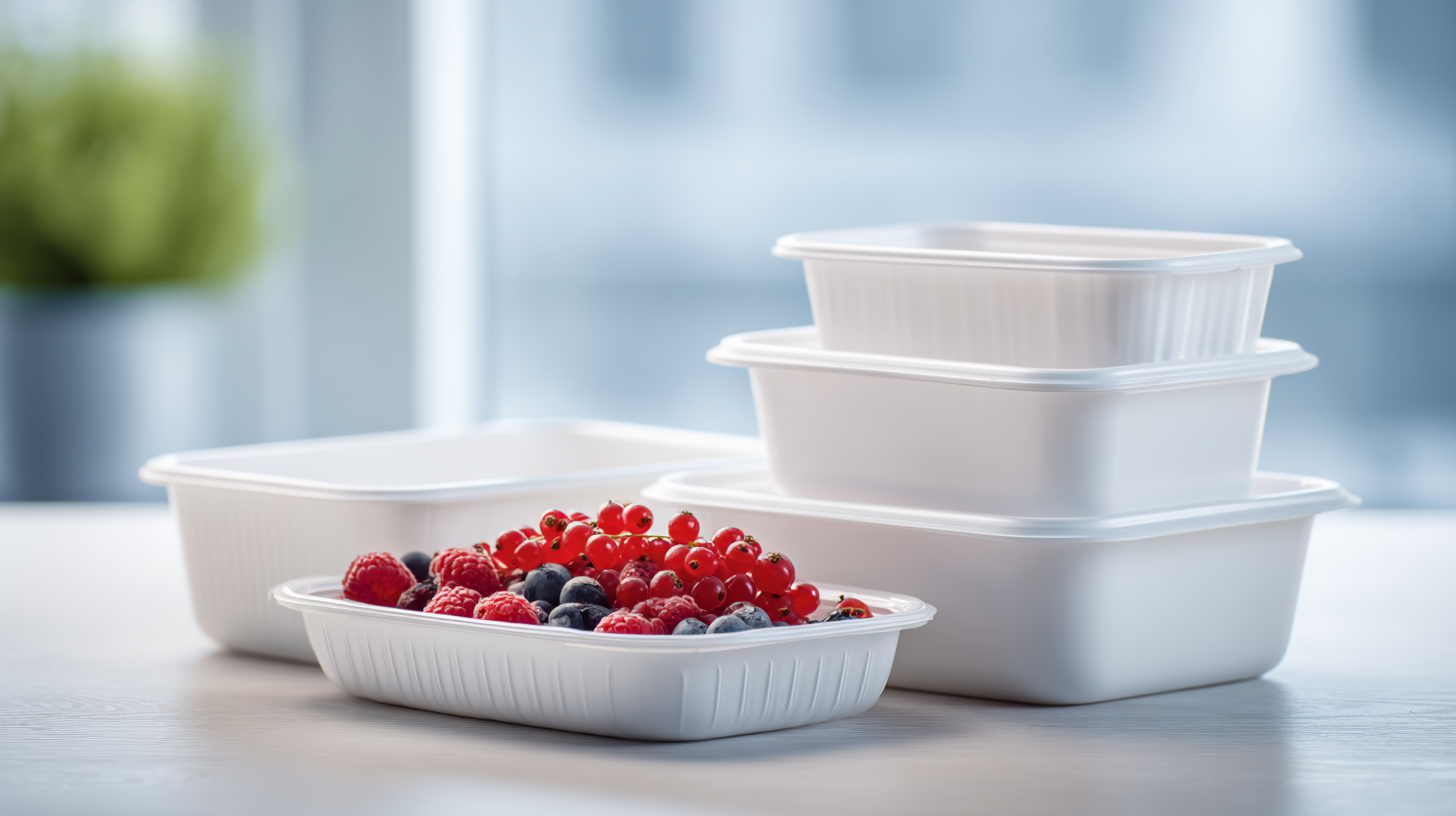
In the ever-changing world of Food Packaging, picking the right thermoformed containers is super important if you want to keep your products fresh and protected. As a pretty experienced player in the plastic industry, Ruian Bocheng Machinery Co., Ltd. really gets how vital high-quality packaging is — not just to boost shelf life but also to ensure safety and meet all the industry standards. With over 15 years behind us, we’ve become experts at providing top-notch products and services, helping our clients sort out all those tricky packaging details. This handy guide is here to walk you through the key things you should keep in mind when choosing thermoformed containers — so you can make smarter decisions that suit your needs and help keep your food products in tip-top shape for longer.
Understanding the Importance of Thermoformed Containers in Food Packaging
You know, thermoformed containers are actually a pretty big deal when it comes to keeping food fresh and safe. They’re a key part of modern packaging that makes sure your food doesn’t spoil quickly. If you look at the latest numbers from Freedonia Group, they’re saying the worldwide market for these kinds of containers is gonna hit around $48 billion by 2025. That’s mostly because more people want smarter ways to preserve food without wasting it. It really shows how much folks are starting to see how effective thermoformed packaging is—especially since it does a great job blocking out moisture, oxygen, and all those other things that can mess with food quality.
But honestly, it’s not just about the market numbers. These containers actually matter a lot in real life. They’re designed to keep food tasting fresh longer, which helps cut down on food waste. There was even a study published in Packaging Technology and Science that found food stored in thermoformed packages stayed fresher—up to 20% longer—compared to the older, traditional kinds. Plus, as more people start caring about sustainability, these containers are gaining popularity because they’re eco-friendly and often reusable. It’s pretty clear—they’re becoming a go-to choice for the food industry because they tick all the right boxes when it comes to saving the planet and keeping our food better for longer.
How to Choose the Right Thermoformed Containers for Optimal Product Preservation in Food Packaging
| Container Type | Material | Best Use Case | Temperature Resistance | Recyclability |
| Clamshell Containers | PET (Polyethylene Terephthalate) | Salads, Fruits, Sandwiches | -40°F to 120°F | Yes |
| Trays | PS (Polystyrene) | Bakery Goods, Vegetables | -30°F to 140°F | No |
| Bowl Containers | PLA (Polylactic Acid) | Soups, Sauces | -30°F to 120°F | Yes |
| Vacuum Bags | Nylon | Meats, Cheeses | -40°F to 180°F | No |
| Dessert Cups | PP (Polypropylene) | Ice Cream, Puddings | -20°F to 120°F | Yes |
Key Factors to Consider When Selecting Thermoformed Containers
When you're choosing thermoformed containers for food packaging, there are a few key things you really want to keep in mind to make sure your products stay fresh. First off, the material of the containers is super important. Did you know that, according to Smithers Pira, the global market for thermoformed packaging is set to hit around $42 billion by 2025? That just shows how much everyone’s craving materials that can keep food fresh longer and extend its shelf life. It’s pretty crucial to pick materials that block moisture and oxygen — these barrier properties are what protect your food from going bad or getting contaminated.
And then, there's the design of the container itself. A good design can actually make a big difference in keeping your product safe during shipping and storage. The folks at The Packaging Institute mention that containers with smart designs can cut down product damage by up to 30%. Also, you wanna think about how easy it is to seal these containers and whether they line up with your current packaging lines. If sealing isn’t airtight, your food might spoil faster, and if the design isn’t efficient, you could end up spending more on production. All in all, picking the right thermoformed containers that fit both your product needs and your workflow is key to keeping quality high and costs down.
Comparing Different Material Options for Thermoformed Containers
Picking out the right thermoformed containers for food packaging might seem straightforward, but understanding the different material options is actually pretty important if you want to keep your products fresh. Usually, folks go with materials like polystyrene (PS), polypropylene (PP), and polyethylene terephthalate (PET). Interestingly, a recent study by Mordor Intelligence points out that the worldwide market for thermoformed plastics could hit around $12.82 billion by 2026 — that’s mainly because of the booming food packaging industry. Each of these materials brings its own set of perks and quirks — stuff like barrier capabilities, moisture resistance, and how tough they are overall.
For example, polystyrene is known for being really clear and stiff, which makes it great visually, but it doesn't do so well when it comes to keeping oxygen and moisture out, so it’s not the best choice for products that need to last a while on the shelf. On the flip side, polypropylene shines with its stronger barrier properties and ability to handle higher temperatures, making it perfect for hot-fill applications. And then there’s PET — it’s getting more popular because it’s recyclable and offers a solid moisture barrier. A report from Grand View Research even says that the PET packaging market is expected to grow by about 5.3% from 2021 to 2028. Knowing all this helps food companies pick the right material, so their products stay fresh longer and they stay eco-friendly at the same time.
Comparative Analysis of Thermoformed Containers Material Options
Innovative Technologies in Thermoforming for Enhanced Product Preservation
You know, new Thermoforming tech is really shaking up food packaging in a big way. It's all about keeping food fresh longer and extending its shelf life, which is pretty awesome. There’s some recent research from the Food Packaging Forum showing that these high-tech containers with better barrier properties do a much better job at blocking oxygen and moisture—things that usually cause food to spoil. For example, modified atmosphere packaging, or MAP, which is a pretty cool thermoforming method, can keep food tasting fresh for up to 50% longer compared to the old-school packaging. Honestly, this could be a real game changer when it comes to cutting down on food waste and making sure we get top-quality stuff.
And it doesn’t stop there. The latest reports from Smithers Pira mention that smart packaging—think indicators for freshness and temperature sensors—are really starting to take off. The market for these kinds of tech is expected to hit around $41.5 billion by 2026, driven largely by what consumers want: more transparency and sustainability. These smart features give producers and stores a way to keep a close eye on the condition of their products, so we can trust that what we’re buying is in top shape. Honestly, jumping on board with these new thermoforming innovations isn’t just about safety; it’s also about staying in tune with the whole eco-friendly, sustainable vibe going around in the food industry these days.
Sustainable Practices in Thermoformed Container Production and Use
You know, when it comes to making thermoformed containers, really thinking about sustainability is key. It’s all about lowering the environmental hit while still keeping food safe and fresh. Companies are starting to get more into using eco-friendly materials — stuff like biodegradable plastics and recycled ingredients — which helps cut down the carbon footprint of traditional packaging. Honestly, switching to these greener options not only saves resources but also boosts a company's image as someone who genuinely cares about the planet.
And it doesn’t stop there. Improving the actual manufacturing process can make a big difference, too. Things like using energy-efficient equipment and cutting down on waste during production are huge steps forward. Plus, designing containers that are easy to recycle not only makes lifecycle management simpler but also encourages a more circular approach to packaging. Bottom line? If we focus on sustainability, the food packaging world can do its job of keeping food safe and functional — without trashing our environment. It’s all about finding that balance for future generations, you know?
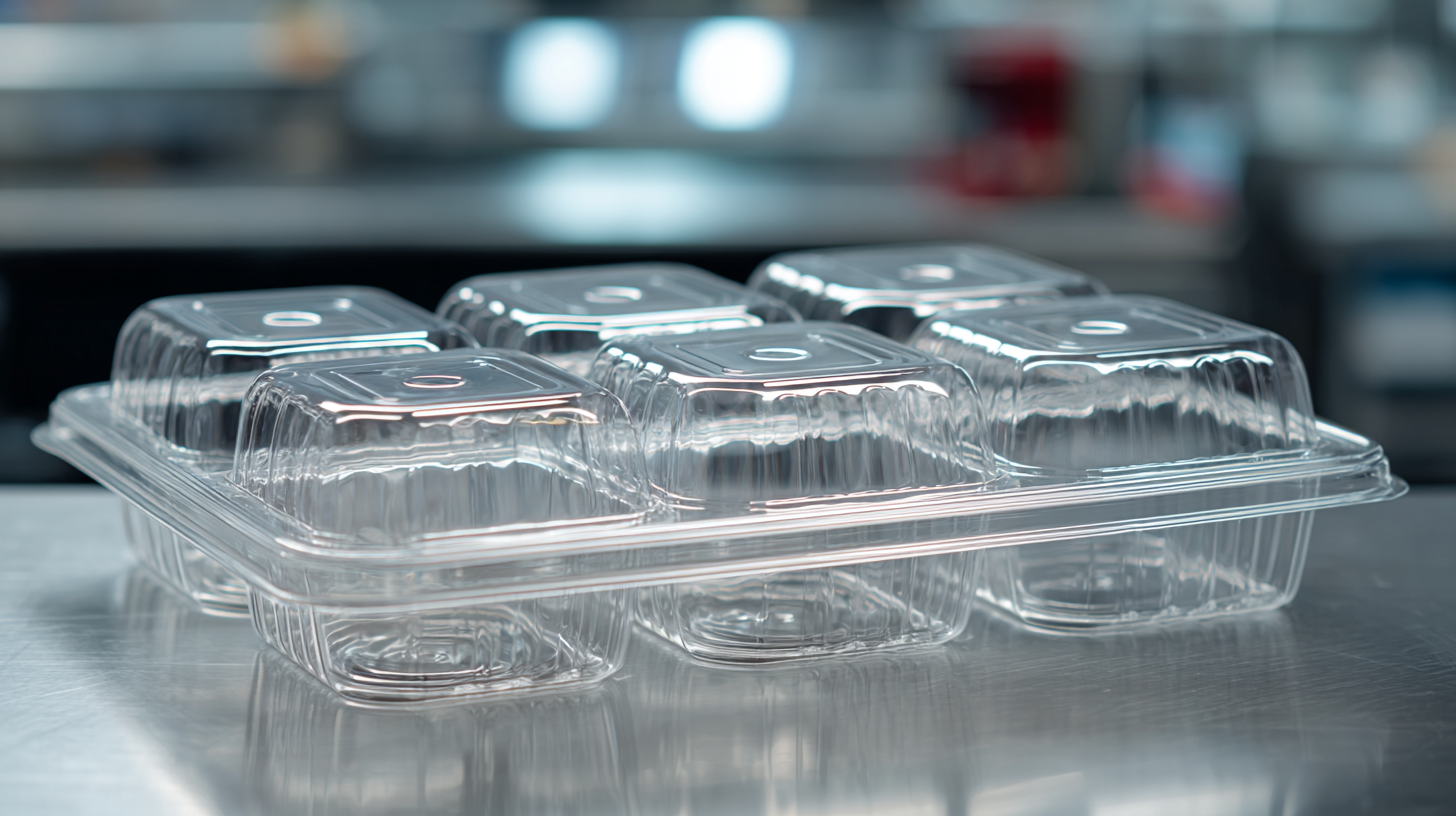
Real-World Examples of Effective Thermoformed Container Applications
You know, thermoformed containers have really become a big deal in the food packaging world lately. They're super versatile and do a great job at keeping food fresh. For example, when you buy berries or other delicate fruits, chances are they’re packed in thermoformed trays with little ventilation holes. Not only do these trays protect the fruit from getting squished or damaged, but they also let air flow through, which helps slow down spoilage and makes the produce last longer on the shelf.
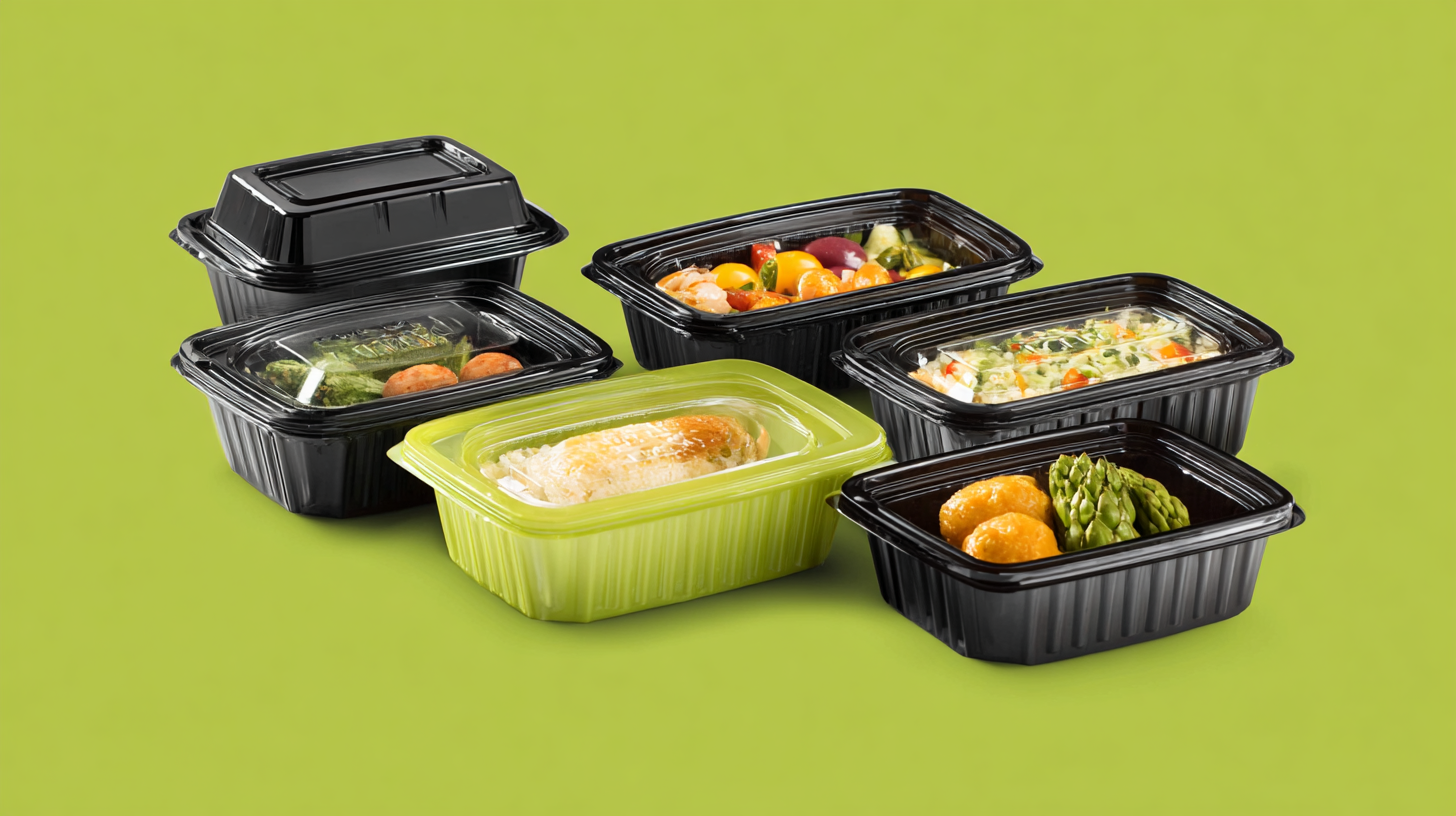
And it doesn’t stop there. You’ll also see these containers used heavily for ready-to-eat meals. Manufacturers often create separate compartments inside the thermoformed boxes to keep different parts of the meal apart—think veggies, meat, or sauces—so everything stays fresh and keeps its flavor. Sometimes, they even seal these meals with vacuum lids, which cut down on oxygen exposure and help prevent oxidation, making the food stay tasty for a lot longer. Honestly, I think that’s pretty smart because it makes your shopping experience better, and it cuts down on food waste—something we all wanna see more of, right?
FAQS
: Thermoformed containers are used to preserve the quality and safety of food products, extending shelf life and reducing food waste.
Products packaged in thermoformed materials remain fresher for up to 20% longer than those in traditional packaging, thanks to their superior barrier properties.
The global market for thermoformed packaging is projected to reach $48 billion by 2025 due to the increasing demand for efficient food preservation methods.
Thermoformed containers provide eco-friendly and reusable packaging solutions, making them a preferred choice in the food industry as consumers become more sustainability-conscious.
Thermoformed trays with ventilation holes are used for packaging berries and delicate fruits, allowing for optimal air circulation to reduce spoilage and extend shelf life.
Thermoformed containers create compartments that separate different food items, reducing oxygen exposure and maintaining freshness and distinct flavors through vacuum seals.
They provide excellent barriers against moisture, oxygen, and external factors, preserving food integrity and ensuring safety.
Yes, many thermoformed containers are designed with sustainability in mind and can be recyclable, which supports eco-friendly practices.
By using compartments and vacuum seals, manufacturers can maintain the freshness and quality of food, improving the overall customer experience and satisfaction.
Air circulation helps reduce spoilage in packaged produce, prolonging freshness and shelf life, making thermoformed containers effective for delicate items.
Conclusion
Thermoformed containers are pretty key in the food packaging world. They do a great job of keeping food fresh and protected. When you're choosing the right ones, it’s important to think about stuff like the materials used, how the design works, and any cool new tech that helps with preservation. Thanks to ongoing innovations, manufacturers today can create containers that not only last longer on the shelf but also stick to more sustainable practices — which is great for the environment.
At Ruian Bocheng Machinery Co., Ltd., we’ve been in the game for over 15 years, offering full-on solutions for the plastic industry. Our goal is to make sure our clients get top-notch thermoforming products that fit their specific needs. We’re all about pushing the envelope with new ideas and high-quality standards, so our containers do their job really well—keeping food safe and fresh—while also aiming to be more eco-friendly.