Leave Your Message
0%

You know, the demand for top-notch plastic thermoForming Machines is just keeps growing. I came across this recent report from Allied Market Research, and it says the global market for these machines might hit around 4.45 billion dollars by 2026 — pretty impressive, right? A big part of that boost is thanks to some exciting technological advancements. Companies like Illig and Kiefel are really driving this forward, offering machines that are not only more efficient but also help cut down on waste, which is a win-win.

These machines are pretty much essential across loads of industries — think packaging, automotive, and consumer goods. The cool thing is they can produce all sorts of complex shapes and designs, which makes them super versatile. But, let’s be real — competition is tough. Lots of manufacturers are racing to meet the changing needs of their clients, and it’s not always easy to strike that perfect balance between keeping costs down and maintaining quality.

Trying to find the 'perfect' plastic thermoforming machine? Yeah, it’s not exactly straightforward. You’ve got to think about things like how fast the machine can produce, how much energy it drinks up, and whether it plays well with different materials. Honestly, it can feel a bit overwhelming with so many options out there. But if you take the time to consider all these factors, it’ll help you make smarter choices and avoid falling behind in this fast-moving market.
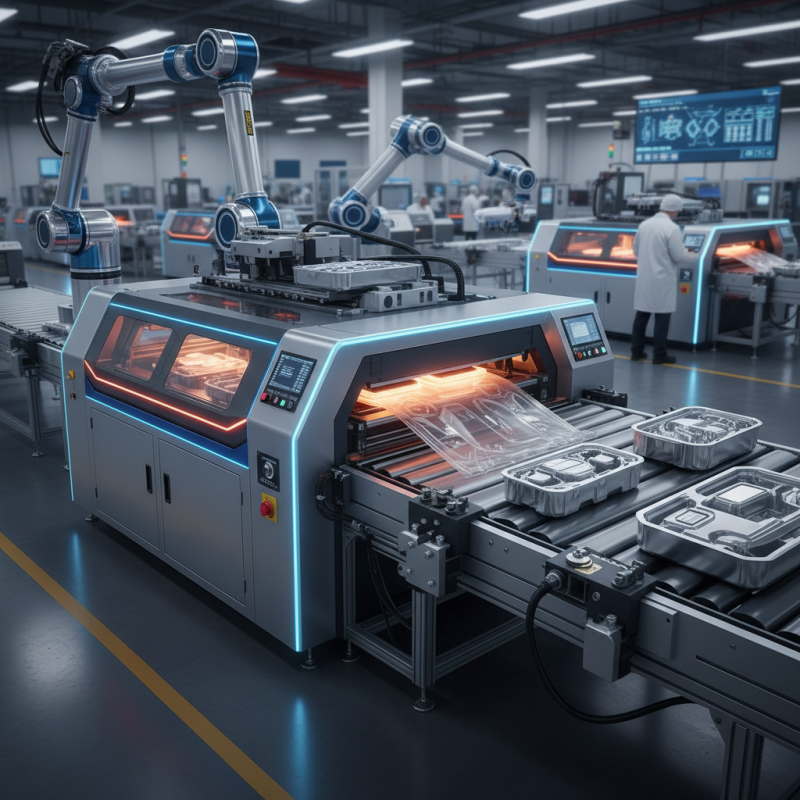
What is the Best Plastic Thermoforming Machine in 2026?

Overview of Plastic Thermoforming Technology in 2026

Plastic thermoforming technology has evolved significantly by 2026. Manufacturers are increasingly focusing on efficiency and sustainability. The process involves heating Plastic Sheets until pliable. These sheets are then shaped into desired forms using molds. Installation and maintenance of machines remain challenging for many operators.


One notable trend is the shift toward recyclable materials. Companies are exploring biodegradable options. This change reflects growing environmental concerns. However, challenges in processing these materials persist. Not all machines can handle new materials effectively. Operators often need training on newer techniques.


Automation is another key aspect in 2026. Smart technology enhances precision and speeds up production. Yet, high initial costs pose a barrier for some businesses. Operators must weigh the cost versus the benefits carefully. The integration of advanced features can complicate user experience. Simpler machines may still hold value for certain applications. The landscape is diverse, and choices depend on specific needs.

Key Features to Consider in a Thermoforming Machine

When considering the best plastic thermoforming machine for 2026, key features come into play. Efficiency and speed are essential metrics. Industry data suggests that machines achieving 30% faster cycle times can significantly increase productivity. Basic parameters like sheet thickness and heating capacity directly affect performance. For example, machines that accommodate varying thicknesses can optimize material use.

It's crucial to examine automation capabilities. Advanced machines with integrated robotics can streamline processes, reducing labor costs. One survey indicates that about 25% of manufacturers see automation as a top priority by 2026. Additionally, energy efficiency is becoming a major concern. Equipment consuming 20% less power can greatly impact operational costs over time.

Tip: Always evaluate the machine's maintenance needs. Durable machines may initially cost more but save money long-term. Another useful insight is to analyze user feedback on ease of use. Some machines may boast features but can be complicated. A machine that is user-friendly can reduce errors and losses. Always ask for demonstration or trial periods to test performance before making a purchase.

Top Manufacturers of Plastic Thermoforming Machines in 2026

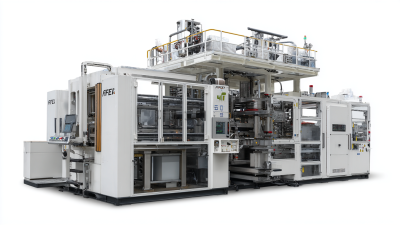
In 2026, the plastic thermoforming machine industry is expected to witness significant advancements. The top manufacturers are likely to focus on efficiency and sustainability. Innovations will drive production speed and reduce waste. Machines may also feature smarter controls, enhancing precision during the forming process.

When selecting a thermoforming machine, consider its capabilities. Look for machines that offer versatility in material types. Different materials may require different settings. Ensure the machine can adapt without extensive retraining for operators. It's also crucial to examine energy efficiency. Machines that consume less power can reduce operational costs over time.

Tips: Always check the service support provided by manufacturers. Quick access to spare parts is essential for minimizing downtime. Engage with operators to gather feedback on machine performance. Observations from users can highlight potential issues early. This can lead to better-informed decisions and enhance productivity overall.

Comparison of Leading Models in the Market

What is the Best Plastic Thermoforming Machine in 2026?

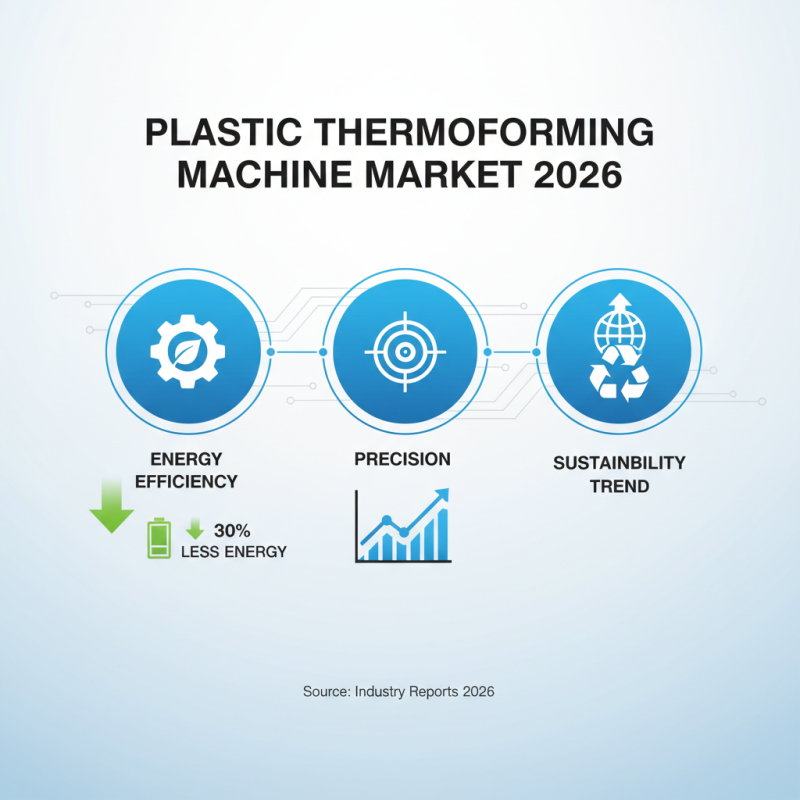
In 2026, the plastic thermoforming machine market showcases impressive advancements. Leading models focus on energy efficiency and precision. Reports indicate that machines now consume up to 30% less energy than previous generations. This trend aligns with industry needs for sustainable practices.

The comparison among top models reveals significant differences. For instance, some machines excel in speed, while others prioritize material versatility. It is crucial to analyze production needs carefully. Special attention should be given to the thickness of materials. Different machines handle various thickness ranges differently.

**Tip:** When selecting a thermoforming machine, consider the specific applications. Machines optimized for thin films may struggle with thicker materials. Evaluating your production requirements is vital for long-term success. Pay attention to future-proofing capabilities too. The rapid evolution in technology means that investment in adaptable models pays off.

In-depth evaluation should include not just specifications but also user feedback. Many operators report that learning curves can be steep with newer models. Take time to train staff adequately. This reduces downtime and enhances production quality. Remember, the best choice is not just the most expensive one, but the one that fits your unique operation.

User Feedback and Ratings for Thermoforming Machines

When searching for the best plastic thermoforming machine, user feedback is invaluable. Many users share their hands-on experiences. They discuss efficiency and ease of use. Some machines excel in speed, while others stand out for their adaptability. Feedback often highlights how user-friendly controls can make a difference during operation.

Reviews frequently mention machine durability. Users note that frequent maintenance can be a hassle. Others express frustration about some parts wearing down faster than expected. This inconsistency in build quality has raised concerns. However, positive comments about support services often surface. Quick responses from manufacturers can relieve stress during production downtimes.

Overall, user insights provide a broader picture. They reveal that not all machines perform equally across different tasks. Some models may be ideal for packaging, while others suit custom designs. This variation leads to mixed reviews, prompting buyers to reflect on their specific needs before making a choice.

What is the Best Plastic Thermoforming Machine in 2026? - User Feedback and Ratings for Thermoforming Machines

Model User Rating (out of 5) Features Price Range ($) User Feedback
Model A 4.7 Fast heating, Energy-efficient, Compact design 10,000 - 15,000 Great performance and ease of use!
Model B 4.5 High precision, User-friendly controls, Durable 12,000 - 18,000 Excellent for small to medium-sized productions.
Model C 4.4 Versatile applications, Cost-effective, Smart tech integration 9,000 - 14,000 Solid value for the price; great reliability.
Model D 4.3 Automatic features, Enhanced safety, Easy maintenance 11,000 - 16,000 Reliable machine but can be noisy.
Model E 4.6 Robust design, Quick setup, Flexible configurations 10,500 - 17,000 Very efficient; highly recommended!

Trends and Innovations in Thermoforming for 2026

What is the Best Plastic Thermoforming Machine in 2026?

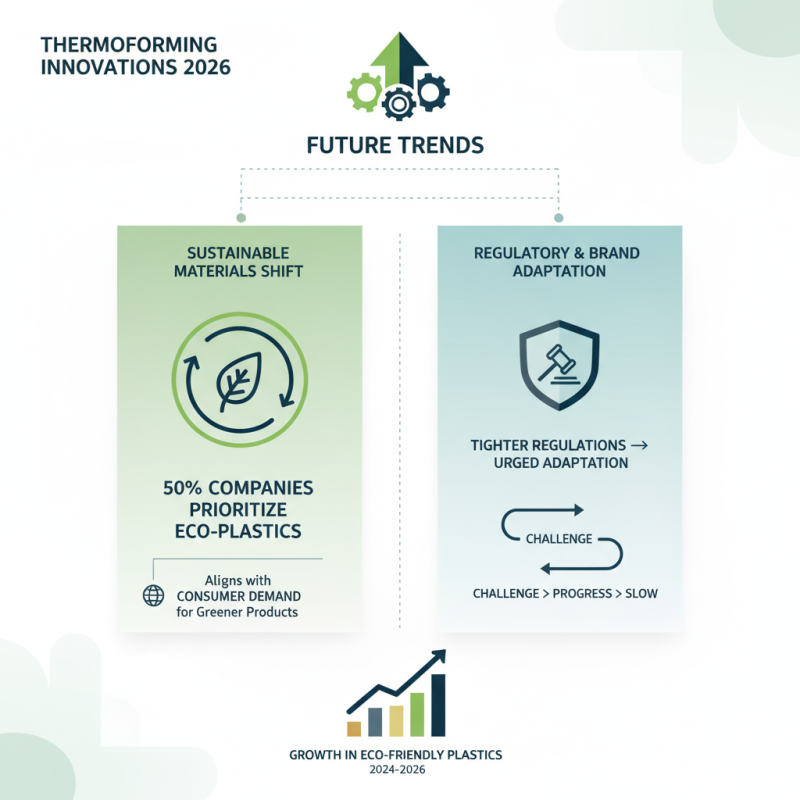
As we look toward 2026, the trends in thermoforming technology shed light on exciting innovations. The focus on sustainable materials is growing. A recent industry report indicated that over 50% of thermoforming companies now prioritize eco-friendly plastics. This shift aligns with consumer demand for greener products. As regulations tighten, brands are urged to adapt. It’s a challenge many are tackling, but progress can be slow.

Automation in the thermoforming process is also on the rise. Companies are embracing advanced robotics and AI. This has led to increased efficiency, with studies showing productivity can improve by up to 30% with new tech. However, some manufacturers struggle to implement these changes. They face barriers like high initial costs and staff training needs.

Additionally, the use of 3D printing for creating molds is gaining traction. This method allows for quicker prototypes and customization. Yet, there are still concerns about durability and cost-effectiveness. The balance between innovation and practicality remains a hot topic. The industry is evolving, but reflections on these trends highlight the complexities involved in adopting new technologies.

Cost Analysis: Budgeting for a Thermoforming Machine

When considering the purchase of a thermoforming machine in 2026, budgeting is crucial. Costs can vary widely based on capacity and features. A basic machine might start around $50,000. Meanwhile, high-end models can exceed $200,000. These ranges often reflect the technology's efficiency and potential for automation.

Maintenance costs are another factor. Regular upkeep is critical to avoid breakdowns. Spare parts can be expensive. This adds to the total cost of ownership. Personnel training should also be included in the budget. Operators need specific skills to run sophisticated equipment. Without proper training, efficiency may suffer.

Assessing the return on investment is essential. Take time to estimate production needs. Misjudgments can lead to financial strain. Analyze your market thoroughly. Understand your capacity to absorb initial costs. If the numbers don’t add up, reconsider your choices. Thoughtful planning can make the difference between success and regret.

Cost Analysis of Plastic Thermoforming Machines in 2026

Advantages of Plastic Thermoformer 4-Stations ZN650 for Efficient Manufacturing Processes

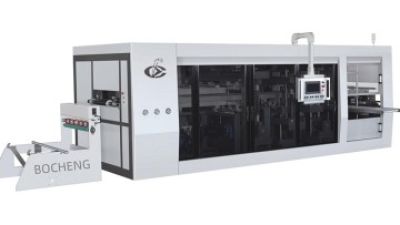
The manufacturing industry continually seeks advancements that enhance efficiency and reduce production costs. One such innovation is the ZN650 high-efficiency program-controlled plastic thermoforming machine. This state-of-the-art machine leverages the latest international technology in plastic sheet forming, allowing for a seamless integration of machine, electricity, and gas. This integration not only streamlines operations but also facilitates higher consistency and precision in production, critical factors that contribute to overall operational efficiency.

Equipped with a square tunnel-type imported radiant heater, the ZN650 is capable of forming both concave and convex molds. This versatility is achieved through its sophisticated process flow that includes heating, forming, punching, and stacking/counting—all managed through a user-friendly Human-Machine Interface (HMI). According to a recent industry report, advanced thermoforming machinery can increase productivity by up to 30% when compared to traditional methods, primarily due to their automated capabilities and reduced cycle times. With the incorporation of systems such as microcomputer and industrial control programmable PLC, manufacturers can expect significant improvements in accuracy and reliability during the production processes.

The robust structure of the ZN650 is designed to withstand the rigors of continuous operation, featuring a welded steel box body that ensures strength and minimizes deformation. The high-density construction of both the bracket and box body provides added stability, a crucial element for maintaining quality standards in high-volume production settings. Enhanced design features such as the sliding door not only improve maintenance accessibility but also contribute to the machine's aesthetic appeal, making it a valuable asset for modern manufacturing facilities looking to enhance their operational capacities.

FAQS

: What types of materials can be used for DIY projects?

: Various materials can be used, like wood, metal, fabric, and recycled items. Experimenting is key.

How do I start a DIY project?

Begin by selecting a project that interests you. Gather necessary tools and materials. Plan your steps.

Can beginners succeed in DIY projects?

Yes, many beginners complete projects. Start small and choose easy tasks for initial success. Learn as you go.

How much time does a typical DIY project take?

Time varies widely. Simple projects might take an hour, while complex ones could span several days. Adjust as needed.

What should I do if I make a mistake?

Mistakes are common. Assess the issue, adjust your plan, and try again. Learning helps you improve.

Is DIY safe for children?

Supervised DIY can be safe for kids. Choose age-appropriate projects, ensuring safety equipment is used. Always monitor.

Conclusion

In 2026, the landscape of plastic thermoforming technology has evolved significantly, emphasizing efficiency and innovation. The latest plastic thermoforming machines incorporate advanced features such as enhanced temperature control, faster cycle times, and improved energy efficiency, making them essential for modern manufacturing. Key considerations for selecting a machine include material compatibility, productivity levels, and automation capabilities.

Leading manufacturers have focused on user-centric designs, and customer feedback highlights the importance of reliability and ease of use. Market trends indicate a growing interest in sustainable materials and processes, pushing advancements in eco-friendly thermoforming solutions. A thorough cost analysis will help businesses budget appropriately for these essential machines, ensuring they remain competitive while meeting production demands.
Isabella

Isabella

Isabella is a dedicated marketing professional at Rui'an Bocheng Machinery Co., Ltd., where she plays a crucial role in promoting the company's specialized machinery products. With a deep understanding of the industry and exceptional expertise in product knowledge, Isabella is committed to......
Previous The Ultimate Guide to Choosing the Right Meal Box Making Machine for Your Business