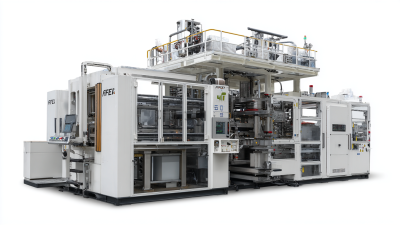
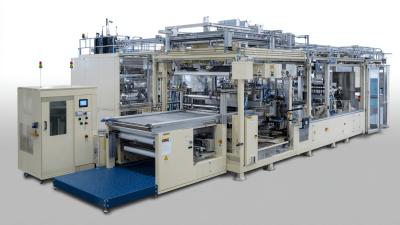
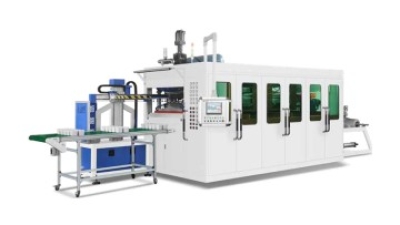
In today's fast-changing world of manufacturing, the ThermoForming Machine process really stands out as a game-changer. It helps boost efficiency, cut down on waste, and improve the overall quality of products. As industries look for smarter ways to fine-tune their production methods, this innovative process offers a bunch of advantages that meet the ever-changing demands of the plastics world. At Ruian Bocheng Machinery Co., Ltd., we’ve been working in this space for over 15 years, using our expertise to help companies unlock the full potential of thermoforming. Located in Binhai Industry, Ruian City, Wenzhou, in Zhejiang Province, China, we’re passionate about providing top-notch products and support that make it easier for manufacturers to adopt this technology. The goal? To help businesses grow and become more sustainable along the way. So, join us as we dive into the many benefits of this transformative tech and see how it can help push the future of manufacturing toward greater efficiency and innovation.
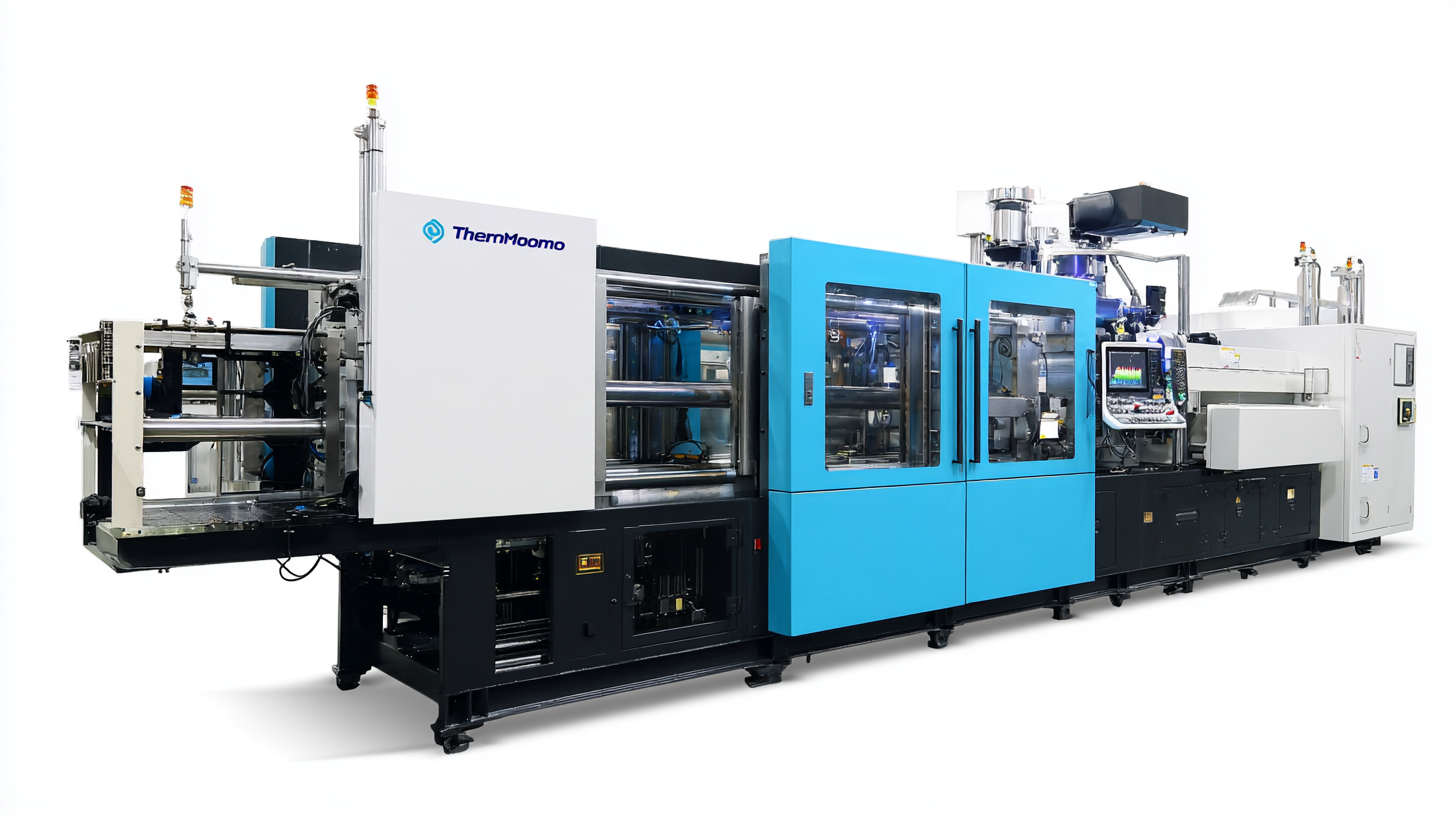
The Basics of Thermoforming: Understanding the Process and Its Applications
Hey there! So, let’s talk about thermoforming— it’s actually pretty important in manufacturing. Basically, it’s a process where you heat up a Plastic Sheet until it’s soft enough to shape, then you drape it over a mold to get all sorts of different shapes. You’ve seen it everywhere — from packaging to car parts — because it’s super efficient and flexible. Plus, it helps cut down on material waste and can speed up production, which is a big win for businesses trying to get more done, faster.
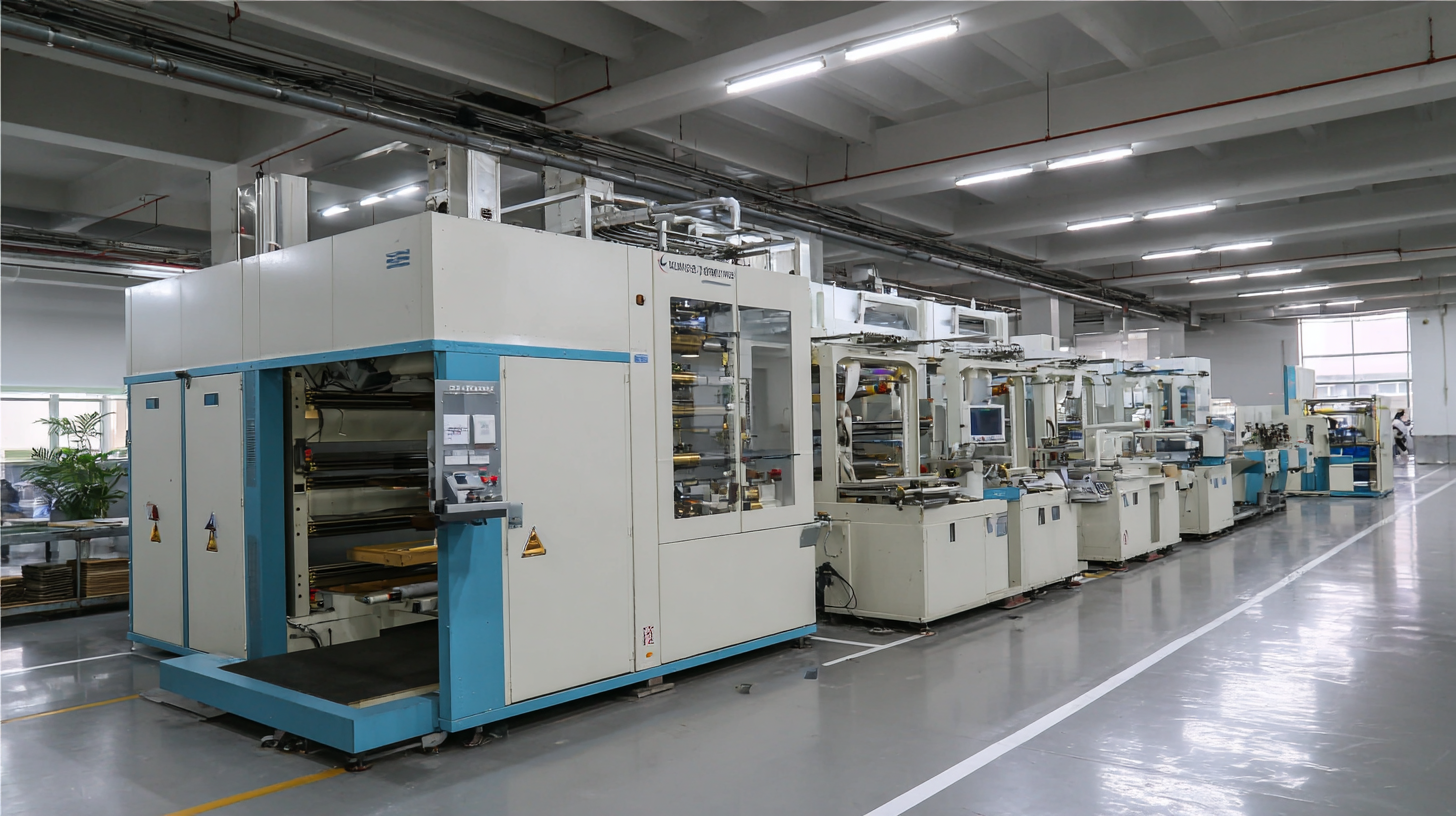
At Ruian Bocheng Machinery Co., Ltd., we really get how vital thermoforming is these days. With over 15 years of hands-on experience in the plastic industry, we’ve become pretty good at providing solutions that work. Our advanced machines are designed to give you precise control over things like temperature and mold alignment — crucial for making top-quality products. When companies choose our thermoforming machines, they can seriously ramp up their production, all while keeping costs down and quality up. It’s all about helping our customers do better, faster, and smarter.
Key Advantages of Thermoforming Machines in Modern Manufacturing Efficiency
You know, thermoforming technology has really become a game-changer in today’s manufacturing world. It’s all about making things more efficient and improving the quality of the products we see on shelves. I read somewhere that, according to Grand View Research, the global market for thermoforming is expected to hit around $5.45 billion by 2025. That’s pretty huge, and it shows just how much industries like packaging, automotive, and consumer goods rely on this process.
One of the coolest things about thermoforming machines? They can shape complex designs with very little waste—making things not only easier but also more eco-friendly. Thanks to newer automation tools and smarter design software, manufacturers can craft really detailed and precise parts, something traditional methods often struggle with.
Plus, these machines are perfect for quick prototyping and small batch runs, which, honestly, is everything in today’s fast-moving market. A report from Smithers Pira pointed out that companies using thermoforming can cut their lead times by as much as 30%, especially when compared to injection molding. That kind of speed-up means products get to market faster, and businesses can be more flexible, quickly adjusting to what consumers want.
As technology keeps advancing, it’s pretty clear that thermoforming’s role in making manufacturing smoother and more efficient is only going to grow. For any company wanting to stay ahead, investing in this tech really seems like a smart move—and a way to keep competitive in the long run.
Cost-Effectiveness: How Thermoforming Reduces Material Waste and Labor Costs
Thermoforming really stands out as a pretty cost-effective option these days. It’s great at cutting down material waste and labor costs at the same time. I read a report by the Plastics Industry Association, and it mentioned that thermoforming can use up to 90% of the plastic sheet — that’s way higher than traditional methods. The reason? It’s mainly because you can make parts out of larger sheets of plastic, which means there’s less scrap leftover and less waste overall.
Plus, when it comes to labor, thermoforming has some pretty big advantages, mainly because it can be automated. The Society of Plastics Engineers did a study showing that automated systems can reduce labor costs by up to 30% compared to doing everything manually. These machines make things way faster and smoother, cutting down on the need for a lot of manual handling. That means manufacturers can crank out more products without blowing up their labor expenses. All in all, with less waste and better efficiency, thermoforming is pretty much a smart pick for manufacturers trying to get the most out of their production lines.
Versatility of Thermoforming: Exploring Various Industries and Product Uses
You know, the versatility of thermoforming has really made a huge difference across various industries. It’s become such a key player in modern manufacturing. Just to share some numbers—industry reports are saying the global thermoforming market could hit around $12 billion by 2026. It’s mainly because it’s so widely used in packaging, cars, and consumer products. One of the coolest things? Manufacturers can customize parts pretty quickly and efficiently, tailoring everything to what different sectors need without much hassle.
When it comes to packaging, thermoformed stuff is pretty much everywhere now. Lightweight, cost-effective films and containers are the norm, and studies even show that thermoformed packaging can save around 25% of material compared to older methods—that’s a pretty significant cut. The automotive world isn’t sitting on the sidelines either; they’re actually using thermoforming more and more to make lightweight parts. That’s a win for fuel efficiency and meeting those tough environmental regulations. With all the technological advances happening, businesses are able to adapt quickly to changing consumer tastes and sustainability goals. Honestly, thermoforming’s role across all these areas really highlights how critical it’s become in manufacturing today.
Innovative Technologies in Thermoforming Machines for Enhanced Production Quality
You know, thermoforming has really changed the game in modern manufacturing. With all the new tech coming out, things have gotten a lot better in terms of quality and efficiency. These days, state-of-the-art thermoforming machines with smarter automation and tighter controls let manufacturers create really complex shapes with crazy precision — it’s pretty impressive. Not only does this make the whole production run smoother and faster, but it also cuts down on material waste, so companies are saving money and being more eco-friendly at the same time.
And get this, they've also added cool new heating methods, like infrared and oscillating heat sources, which help keep everything at just the right temperature. That means fewer defects and higher-quality finishes on the final products. Oh, and the software… it’s pretty smart too. It can monitor everything in real-time and tweak the settings on the fly, making sure everything stays consistent and reliable.
As all these tech improvements keep rolling out, we can expect manufacturing to get even better — more efficient, more competitive, and definitely exciting to watch.
Sustainability in Manufacturing: Thermoforming's Role in Eco-Friendly Practices
These days, sustainability is really at the heart of manufacturing. More and more companies are trying to adopt eco-friendly practices that cut down their environmental impact. One technique that’s making a big difference is thermoforming. It helps manufacturers produce high-quality products with way less material waste. Basically, they heat up plastic sheets until they’re soft enough to shape, usually using molds, and then form them into the final shape. What’s cool is that this process is super precise, which means they maximize the use of the materials they start with—leading to less scrap and a more sustainable way of making stuff.
And the best part? Thermoforming can work with all sorts of recyclable materials. Using biodegradable or recycled plastics shows companies are serious about being eco-conscious, and it also taps into what consumers really want now—more sustainable products. Plus, the machines used for thermoforming tend to be pretty efficient with energy, often needing less power than traditional molding methods. When you combine that energy savings with the ability to recycle materials, it’s clear why so many businesses are turning to thermoforming — it’s a smart move if they want to be more green without breaking the bank.
Advantages of Utilizing Thermoforming Machine Process in Modern Manufacturing - Sustainability in Manufacturing: Thermoforming's Role in Eco-Friendly Practices
| Advantage | Description | Environmental Impact | Cost Efficiency |
| Material Versatility | Thermoforming can use a variety of materials, including recyclable plastics. | Promotes the use of recyclable materials, reducing landfill waste. | Reduces costs by minimizing material waste. |
| Energy Efficiency | The process requires less energy compared to other manufacturing methods. | Lower energy consumption contributes to lower carbon emissions. | Saves on energy costs over time. |
| Reduced Waste | Excess material can often be reprocessed and reused. | Minimizes the environmental footprint of production processes. | Decreases disposal costs and material purchases. |
| Shorter Production Time | Speeds up the manufacturing cycle with rapid prototyping. | Less time in production means less resource usage overall. | Increases overall productivity and profitability. |
| Design Flexibility | Easily accommodates complex shapes and designs. | More innovative designs can lead to better product usage and longevity. | Custom designs can also attract more customers, boosting sales. |
Transforming Production Efficiency: A Deep Dive into the Growth of Hydraulic Plastic Cup Molding Machines and Market Trends
The demand for efficient production methods has driven significant advancements in the field of hydraulic plastic cup molding machines, particularly as industries recognize the potential for increased output and reduced labor costs. These machines, characterized by their automated processes and hydraulic technologies, are revolutionizing how plastic and paper cups are manufactured. The BC-H850 Hydraulic Plastic Cup Molding Machine exemplifies this trend with its extensive forming area of 850*600mm and a maximum forming depth of 200mm, enabling the production of various cup sizes and shapes with remarkable precision.
As the market continues to evolve, key features such as an impressive speed of 30 molds per minute make the BC-H850 an invaluable asset across several sectors, including food and beverage, pharmaceuticals, and cosmetics. Businesses are increasingly leveraging automation to enhance production efficiency, streamline operations, and minimize waste. The integration of advanced control systems and user-friendly interfaces allows for seamless operation and maintenance, positioning hydraulic molding machines as the go-to solution for companies aiming to stay competitive in a rapidly changing marketplace.
The future looks promising for hydraulic plastic cup molding machines, driven by ongoing technological innovations and a growing focus on sustainability. As industries adopt these machines, there is a clear trend toward embracing automated production lines that not only improve efficiency but also align with environmental goals, reducing the carbon footprint associated with traditional manufacturing methods. This evolution paves the way for enhanced productivity and responsiveness to changing consumer demands, ensuring that industries can meet their packaging needs effectively.
FAQS
: Thermoforming is a manufacturing process that involves heating a plastic sheet until it becomes pliable, then forming it over a mold to create various shapes.
Thermoforming is extensively used in various industries, including packaging and automotive, due to its efficiency and versatility.
Thermoforming achieves a material utilization rate of up to 90%, significantly reducing waste by creating parts from larger plastic sheets and resulting in fewer offcuts.
The automation potential of thermoforming can reduce labor costs by up to 30% compared to manual fabrication techniques, as it requires less manual handling and streamlines production.
Thermoforming enhances operational efficiency through rapid production cycles, minimizing material waste, and reducing labor costs, making it ideal for businesses aiming to improve production capabilities.
Investing in advanced thermoforming machinery can optimize the thermoforming process, ensure precise temperature control and mold alignment, and significantly improve production capabilities while maintaining cost-effectiveness.
Ruian Bocheng Machinery Co., Ltd. provides advanced machinery and comprehensive solutions for the plastic industry, leveraging over 15 years of experience to enhance the thermoforming process for clients.
Precise temperature control is crucial in thermoforming to ensure proper material pliability and accurate shaping over the mold, which directly impacts the quality of the final product.
Automated thermoforming systems can enhance cycle times, allowing manufacturers to meet increased demand efficiently without significantly raising labor expenses.
Thermoforming offers a higher material utilization rate and lower labor costs compared to traditional manufacturing methods, making it a more efficient and cost-effective option.
Conclusion
You know, the thermoforming machine process has really become a vital part of today’s manufacturing world. It’s pretty impressive how it helps boost efficiency and cut down costs at the same time. Basically, it involves heating up plastic sheets until they’re soft enough to mold into all kinds of products — and because of that, it’s super versatile and used across so many industries. One of the coolest things about it is how much material waste and labor costs can be slashed, making the whole process way more cost-effective.
Plus, with the cutting-edge tech built into these machines, the quality of production keeps getting better. That’s a big deal, especially as more companies look to sustainable manufacturing practices. Companies like Ruian Bocheng Machinery Co., Ltd. are really leading the charge here, offering all-in-one solutions that are eco-friendly and flexible enough to meet different client needs. As the industry keeps evolving, I really think thermoforming machines are only going to become more important — paving the way toward a more efficient and greener manufacturing future.