Leave Your Message
As the demand for cool, innovative packaging options keeps on growing, Vacuum Thermo Formingis really leading the charge in the industry. Experts like John Smith from ThermoForm Technologies highlight just how important this method is. He’s said something along the lines of, “Vacuum Thermo Forming offers unmatched flexibility for both manufacturers and consumers,” which just goes to show how versatile this process is when it comes to meeting all kinds of market needs.
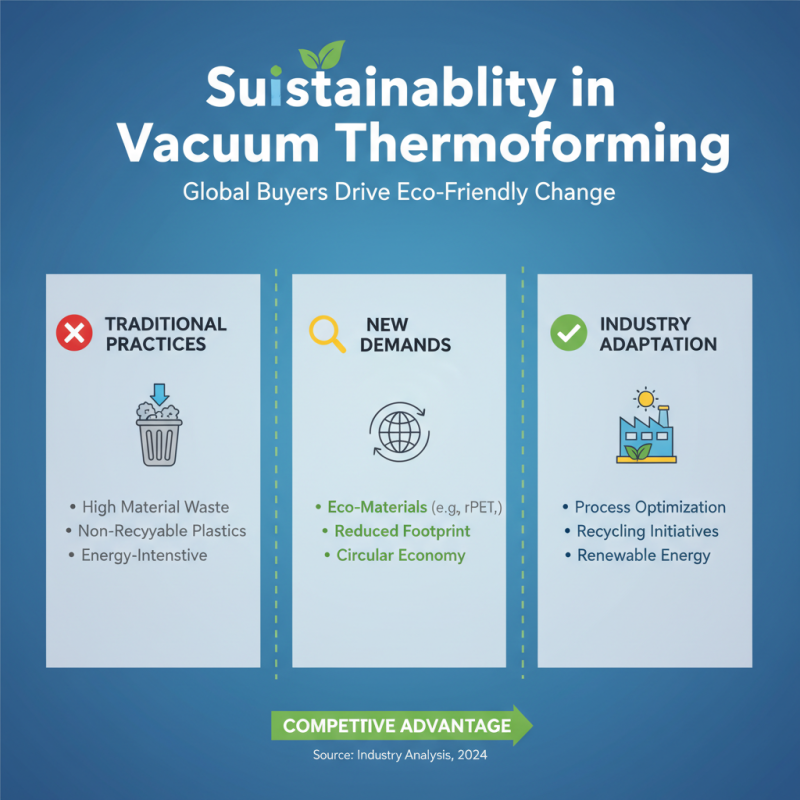
Looking ahead to 2026, the scene for Vacuum Thermo Forming is expected to change quite a bit. Sustainability is becoming a big deal, and companies are starting to look into more eco-friendly materials — a move that’s both challenging and full of opportunity. Everyone involved is gonna need to rethink their strategies to stay ahead of the game without sacrificing quality.
Plus, digital tech is really shaking things up in this space. Automation and smart manufacturing are making production smoother and more efficient. But, let’s be real — integrating these new technologies isn’t always a walk in the park. Companies will need to weigh the perks against possible hurdles. As things move forward, striking that perfect balance is gonna be super important.
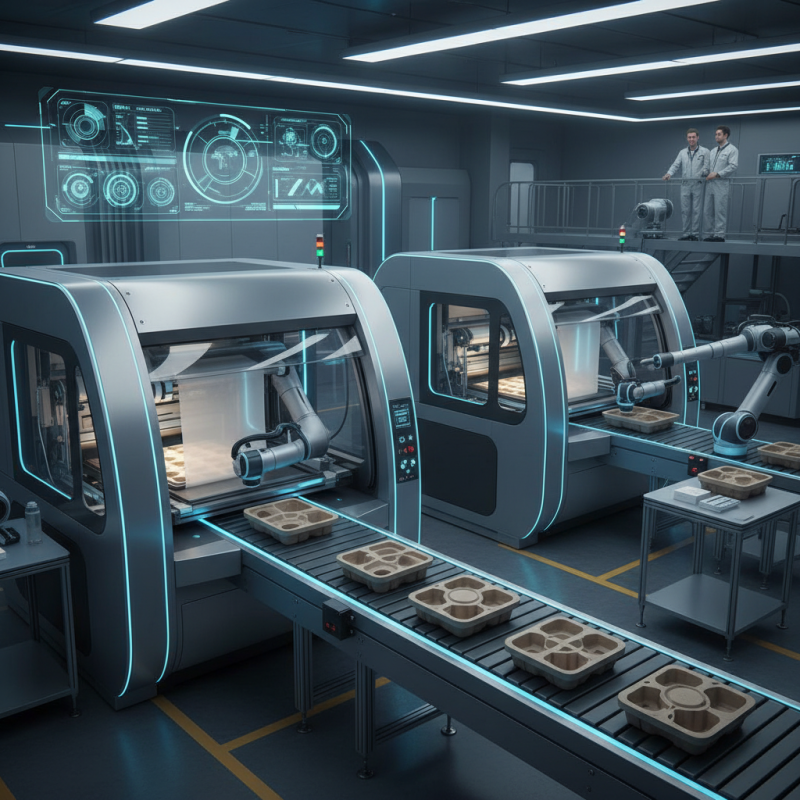
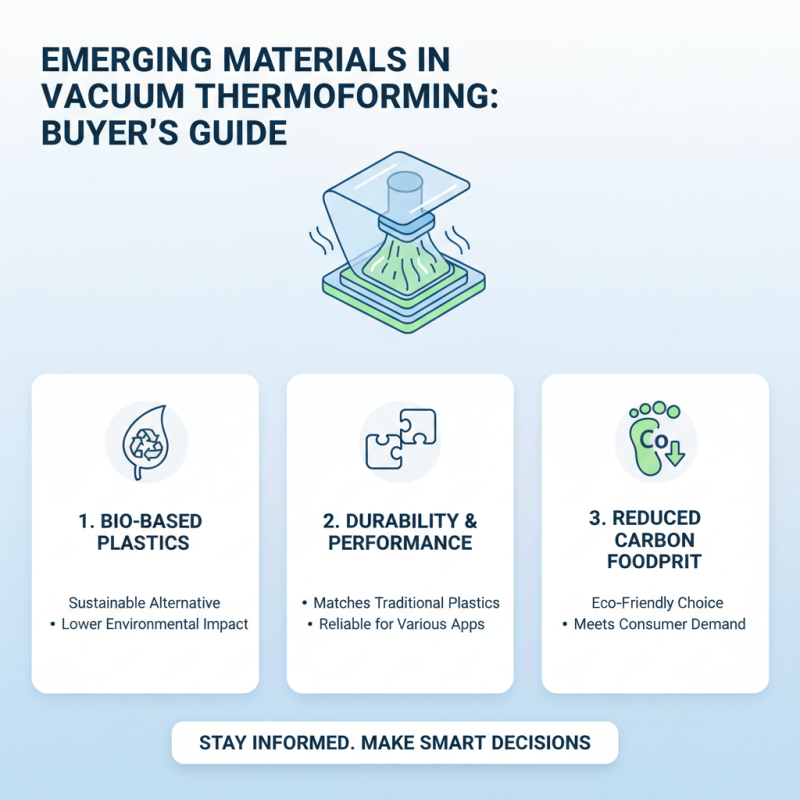
The year 2026 is set to bring significant developments in the Vacuum Thermoforming industry. Global buyers will encounter advanced materials and sustainable practices. As environmental concerns rise, manufacturers are prioritizing eco-friendly materials. This shift demands new strategies fromVacuum Thermo Forming Manufacturers. They must adapt to these trends while maintaining efficiency.
One notable trend is automation in the thermoforming process. Equipment is becoming smarter and more intuitive. This innovation could lead to increased productivity and reduced operational costs. However, the transition requires careful consideration. Manufacturers may struggle with training employees on new technologies. Balancing innovation with workforce capabilities will be essential.
Additionally, customization is gaining traction in the market. Buyers seek personalized packaging solutions tailored to their products. Companies that invest in bespoke services can gain a competitive edge. However, managing production timelines remains challenging. Fast production may compromise quality if not handled properly. It’s crucial for manufacturers to find this balance as they grow.
| Trend | Description | Projected Growth (%) | Market Applications | Key Benefits |
|---|---|---|---|---|
| Sustainable Materials | Increasing use of eco-friendly materials for vacuum forming. | 15% | Packaging, Automotive, Electronics | Reduces carbon footprint, attracts environmentally conscious consumers. |
| Advanced Automation | Integration of automated systems for efficiency and consistency. | 20% | Manufacturing, Medical, Food | Increases production speed, reduces labor costs. |
| Customization | Growing demand for personalized products and packaging. | 10% | Consumer Goods, E-commerce, Retail | Enhances brand loyalty, meets diverse customer needs. |
| Smart Technologies | Use of IoT and AI for monitoring and optimization. | 18% | Production, Quality Control, Inventory Management | Improves operational efficiency, data-driven decision making. |
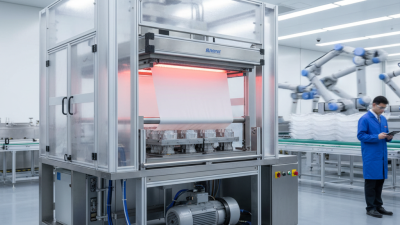
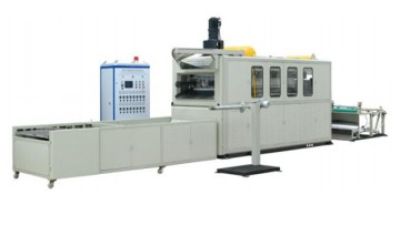
The BC-S750 servo plastic cup forming machine is at the forefront of modern manufacturing, offering significant advancements that redefine production efficiency. Utilizing a high-precision servo motor, this machine controls the forming process with unmatched accuracy, ensuring that each cup produced meets rigorous quality standards. According to industry reports, automated servo-driven systems can enhance production speed by up to 50% compared to their hydraulic counterparts, revolutionizing the output for manufacturers.
In addition to speed and precision, the BC-S750 boasts features such as automatic feeding and stacking, which streamline the overall production line and reduce manual labor requirements. This integration not only lowers labor costs but also minimizes human error, leading to higher consistency in product quality. Further research indicates that the customization capabilities of such machines allow manufacturers to easily adapt to various cup sizes and materials, addressing the increasing demand for diverse packaging solutions in today’s market.
The shift from traditional hydraulic systems to servo-driven technology reflects a broader trend in the manufacturing industry, where efficiency, cost-effectiveness, and quality are paramount. Recent studies suggest that companies adopting these advanced systems see a return on investment within the first year, primarily due to reduced operational costs and enhanced product consistency. The BC-S750 exemplifies this movement, providing manufacturers with the tools needed to thrive in a competitive landscape.
: Material sciences, automation, and digital tools are key innovations transforming vacuum thermoforming.
They are focusing on eco-friendly materials like biodegradable polymers and recycled plastics to reduce environmental impact.
High initial costs and the need for workforce training can make automation difficult for some manufacturers.
Advanced software allows for intricate designs but may require teams to adapt to new processes.
Recycled plastics help reduce environmental impact, but not all options maintain quality, creating challenges for manufacturers.
Buyers should research material properties and ensure suppliers have the necessary certifications for quality assurance.
Energy-efficient technologies help reduce costs, but initial investment may be a barrier for manufacturers.
Composites combine strength and lightweight properties, ideal for efficiency, but can complicate the forming process.
Companies should engage suppliers about their sustainability credentials and prioritize transparency in sourcing materials.
Regular monitoring of energy usage and material qualities can lead to significant long-term savings and performance improvements.
The article "2026 Top Vacuum Thermo Forming Trends for Global Buyers" provides a comprehensive overview of the evolving landscape of Vacuum Thermo Forming in the global market. It highlights key innovations that are shaping the technology in 2026, emphasizing the importance of sustainability practices that buyers should adopt. The market analysis section delves into emerging demand patterns for vacuum thermoformed products, driven by advancements in automation that enhance both efficiency and quality.
Furthermore, the article addresses the emergence of new materials that are influencing the vacuum thermoforming process, providing valuable insights for buyers. The future outlook extends predictions for the vacuum thermoforming market up to 2030, indicating ongoing trends and opportunities for growth. This summary underscores the relevance of vacuum thermo forming as a pivotal element in manufacturing and its potential to adapt to changing market needs.