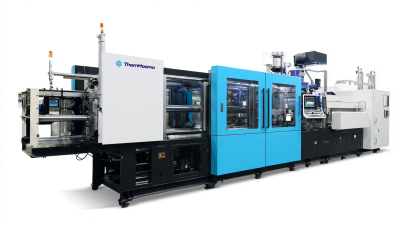
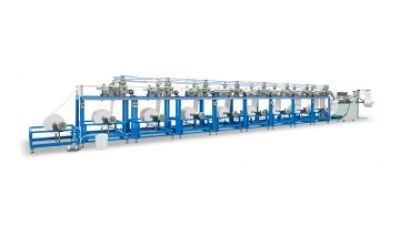
The whole Thermoforming Machine Process has really become a big deal in China's packaging scene lately. Like, recent reports are pointing out that the market for these machines is expected to grow around 7.2% per year—that’s pretty impressive! A big reason for this surge is the increasing demand for eco-friendly packaging options and more cost-effective ways to get things done.
A lot of companies are relying on Thermoforming to make all sorts of stuff—trays, containers, clamshells—you name it. And if you ask GEA Group, one of the major players out there, they’ll tell you their modern machines are super efficient. They help save material and cut down on waste, which is a win-win. But, let’s be honest—things aren’t perfect everywhere. Some manufacturers still struggle with high operating costs or inconsistent product quality, which can be pretty frustrating.
Getting a grip on what’s involved in the ThermoForming Machine Process is super important for businesses. It’s not just about having the latest tech; you also need skilled workers and proper investment. Sadly, a lot of companies overlook these parts, ending up with inefficiencies and missed opportunities. As the market keeps changing, it’s clear that businesses really need to keep up—whether that’s through innovation or tighter quality control—if they want to stay ahead of the game.
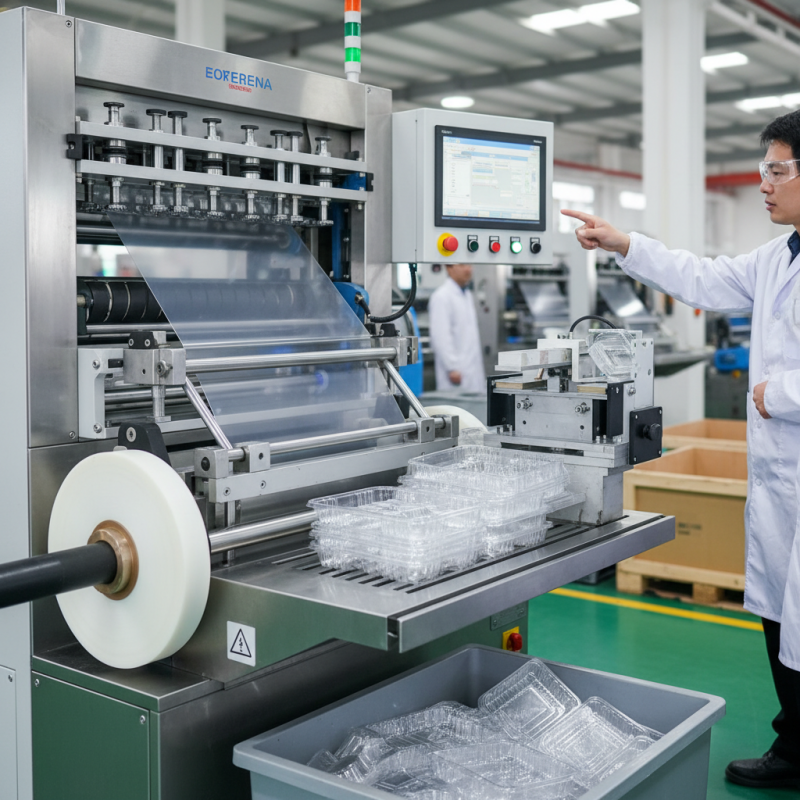
Overview of Thermoforming Machines in China
Thermoforming machines are vital in the production of plastic products across various industries. China has become a major hub for these machines due to lower labor costs and an increasing focus on manufacturing efficiency. According to recent industry reports, the market for thermoforming technology in China is projected to grow significantly, driven by rising demand in packaging, automotive, and consumer goods sectors.
The thermoforming machine process involves heating Plastic Sheets until pliable, then shaping them into desired forms. The variety of machines available caters to different needs, from small-scale operations to large industrial setups. However, many manufacturers face challenges in maintaining quality and efficiency. Not allThermoforming Machine Process Manufacturers meet high international standards, leading to variability in output quality. It’s crucial to assess capabilities before investing in equipment.
Tip: Research the manufacturer's reputation and seek reviews before proceeding. This will save you potential headaches.
Moreover, as automation and smart technology advance, companies must adapt. While many machines come with advanced features, understanding how to leverage these is key. Integration with existing processes can be challenging. Identify areas for improvement by regularly reviewing machine performance.
Tip: Keep your team informed about emerging technologies to stay competitive. Balancing innovation with practicality is an ongoing process.
Key Features of Wholesale Thermoforming Machines
Thermoforming machines are crucial in the manufacturing process. They provide efficient production of plastic products. Key features of these machines include speed, flexibility, and energy efficiency. A recent industry report highlights that these machines can increase production speed by up to 30%. This efficiency can significantly lower operational costs over time.
Flexibility is another vital aspect. Many thermoforming machines can handle various materials, such as PVC and PET. This adaptability allows manufacturers to meet diverse customer needs. The ability to switch materials can be essential for custom orders. However, it requires additional training for operators to manage different materials properly.
Energy efficiency is often mentioned but not always examined closely. While some machines claim to save energy, actual savings can vary widely. Manufacturers should carefully assess their power consumption data. The Thermoforming Machine Process Manufacturer plays an important role in providing accurate energy usage information. Without this transparency, businesses might underestimate their energy costs. Balancing efficiency with cost-effectiveness often requires continuous monitoring and adjustment in the production process.
Types of Thermoforming Processes Explained
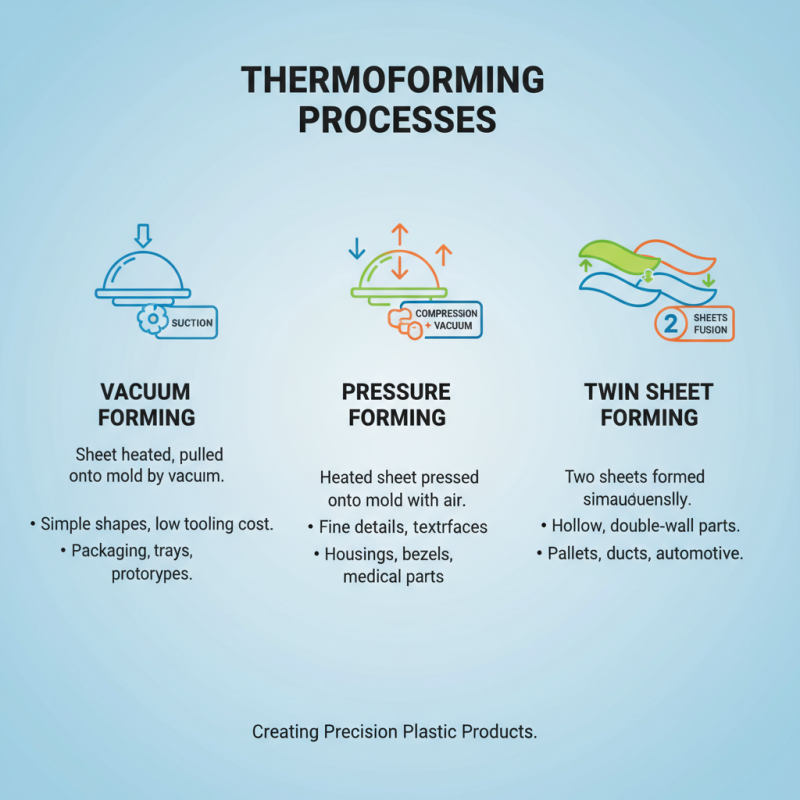
Thermoforming processes are crucial for creating plastic products. Several methods define this industry, each offering unique benefits and applications. The most common types include vacuum forming, pressure forming, and twin sheet forming. These processes allow manufacturers to produce intricate shapes with high precision.
Vacuum forming is widely used for making parts in large volumes. This method heats plastic sheets until soft and then uses vacuum pressure to shape them over molds. It’s efficient but may have limitations in creating complex geometries. Data indicates that vacuum forming represents around 40% of the thermoforming market, according to a recent industry report.
Pressure forming, on the other hand, uses compressed air to enhance molding capabilities. This results in better detail and dimensional accuracy. It is ideal for parts requiring elaborate designs. While it offers advantages, it also increases production costs and time. About 30% of manufacturers prefer this approach for high-end applications. Twin sheet forming combines two sheets to create hollow parts, effectively adding strength. This method currently holds about 20% of market share but requires precise coordination. Reflecting on these types reveals that each has unique challenges and advantages that producers must consider.
Benefits of Using Thermoforming Machines in Manufacturing
Thermoforming machines play a vital role in manufacturing. They shape plastic materials into various forms with heat and pressure. This process offers efficiency, making it popular among manufacturers. The speed of production is a significant advantage. It allows companies to meet high demands quickly.
One of the primary benefits of using thermoforming is cost-effectiveness. The machines require less material waste compared to other methods. This efficiency can lead to substantial savings for manufacturers. Moreover, thermoformed products often come out strong and durable. They can be used across various industries, from packaging to automotive parts.
However, there are limitations. The initial investment in thermoforming machines can be high. Not all products are suitable for this process. Manufacturers must carefully consider their options. Reflecting on these aspects is crucial for informed decision-making. Being aware of potential challenges can lead to better outcomes in production.
Factors to Consider When Sourcing Thermoforming Machines
When sourcing thermoforming machines, consider several critical factors. The type of material used is vital. Different applications require different materials. You should gauge the machine's compatibility with these materials. Efficiency is another key factor. Operations should be swift but not at the expense of quality.
Tip: Always check reviews and case studies. These provide insights into real-world performance. Sometimes, machines with great specs do not deliver as promised. Look out for user feedback.
Additionally, think about the machine's maintenance needs. A machine that requires constant repairs can eat into your profits. You want equipment that is easy to maintain and durable. Training for your staff is also essential. A skilled operator impacts output quality.
Tip: Consider local service support. Access to parts and technical support can save time and frustration. If a machine has long lead times for parts, it could slow your production down. Ensure you evaluate your needs thoroughly before making a decision.
2026 Best China Wholesale Thermoforming Machine Process Explained
| Feature | Details | Importance |
| Machine Type | Automatic vs Semi-Automatic | High |
| Production Capacity | Units per Hour | Medium |
| Material Compatibility | Plastics, PET, PVC | High |
| Energy Consumption | Power Ratings | Medium |
| Size and Dimensions | Footprint Requirements | Medium |
| Maintenance Needs | Frequency and Ease | High |
| Price Range | Cost per Unit | High |
| Warranty and Support | Post-Purchase Service | Medium |
Top Manufacturers and Suppliers in the Chinese Market
When exploring the Chinese market, identifying reliable Thermoforming Machine Process Suppliers is crucial. The landscape is vast, with a mix of large manufacturers and smaller companies. Larger companies often boast advanced technology and better quality control. However, smaller suppliers can be more flexible and cost-effective. It’s essential to assess what suits your needs best.
Many suppliers offer customized solutions tailored for specific industries. This approach can lead to better production efficiency. Yet, some suppliers may lack the experience to address particular challenges effectively. Potential clients should conduct thorough research, using online resources and industry contacts.
Visiting supplier facilities can provide insight into their operations. Observing machinery firsthand showcases their capabilities and commitment to quality. However, not every visit meets expectations. Some suppliers may promise more than they can deliver. Thus, due diligence is necessary before making a commitment. Being vigilant is key to finding the right thermoforming machine process suppliers in China.
Future Trends in Thermoforming Technology and Innovations
The thermoforming industry is evolving rapidly, with advancements that shape future production landscapes. The Wholesale Thermoforming Machine Process is becoming more efficient and sustainable. According to a recent industry report, the global thermoforming market is projected to reach $8.24 billion by 2026, growing at a CAGR of 5.6%. This growth signals significant technological innovations and trends.
One key trend is the integration of automation and smart technologies. Smart thermoforming machines can optimize production by reducing waste and improving cycle times. Innovations in material science are also noteworthy. For instance, biodegradable plastics are gaining traction, pushing manufacturers to rethink traditional materials. Adopting eco-friendly materials provides new opportunities but may require retraining employees and updating equipment, which presents challenges.
Also, companies are increasingly focusing on customization and faster turnarounds. Market demands are shifting, pushing manufacturers to adapt. This challenge often leads to a reflection on current processes. Enhancing flexibility can strain resources, yet it is essential for staying competitive. Embracing these trends while addressing flaws in the existing systems is crucial for growth in the thermoforming sector.
Innovative Solutions for Efficient Production with Dry Mold Paper Machine in the Paper Manufacturing Industry
The paper manufacturing industry is undergoing a transformation with the introduction of innovative solutions such as the dry mold paper machine. This technology utilizes paper as a raw material, promoting a production method that is not only efficient but also aligns with global sustainability goals. According to recent industry reports, the demand for biodegradable and recyclable products is on the rise, driven by an increasing consumer focus on health and environmental impact.
The dry mold paper machine offers great potential for producing products that are both eco-friendly and functional. By relying on paper as a raw resource, manufacturers can significantly reduce their carbon footprint. The latest data indicates that the market for sustainable packaging is projected to grow at a compound annual growth rate of 7.7% over the next five years, which further underscores the massive opportunity presented by adopting greener production techniques.
Moreover, the use of biodegradable materials not only caters to the environmentally conscious consumer but also meets the growing regulatory pressures for cleaner production practices. As paper products are not only recyclable but also healthy for the environment, their integration into everyday life can help reduce the reliance on plastic and other harmful materials. The combination of efficiency in production and commitment to sustainability makes the dry mold paper machine a vital component in the future of the paper manufacturing industry.
FAQS
: Ingredients usually include natural extracts, essential oils, and herbal components. They aim for a holistic approach.
It is suggested to apply a small amount onto clean skin. Gently massage with fingertips for better absorption.
Sensitive skin types should do a patch test first. Individual reactions may vary, so caution is recommended.
Typically, results can be noticed within a few weeks. However, this varies based on skin type and consistency of use.
Some users may experience redness or irritation. If symptoms persist, discontinue use and consult a specialist.
Stop using the product immediately. Washing your skin with water may help alleviate discomfort.
Many products are designed for daily use. However, overuse could lead to potential skin issues. Monitor how your skin responds.
It can be combined, but layering products can cause buildup. Experimentation is key to finding what works best.
Store it in a cool, dry place away from direct sunlight. Exposure to heat or light may reduce effectiveness.
Reading reviews and testimonials can provide insight. Individual experiences may vary widely, so keep that in mind.
Conclusion
The "2026 Best China Wholesale Thermoforming Machine Process Explained" delves into the essential aspects of thermoforming machines, highlighting their pivotal role in modern manufacturing. The article begins with a comprehensive overview of the machines available in China, emphasizing key features that enhance efficiency and productivity. Various types of thermoforming processes are explored, revealing how each method caters to different manufacturing needs.
Additionally, the piece outlines the numerous benefits of utilizing thermoforming machines, such as cost-effectiveness and versatility in material handling. When sourcing these machines, several critical factors are discussed, ensuring informed decisions for potential buyers. The article also highlights top manufacturers and suppliers in the Chinese market while providing insights into future trends and innovations within the thermoforming machine process, underscoring the technology's evolving landscape.