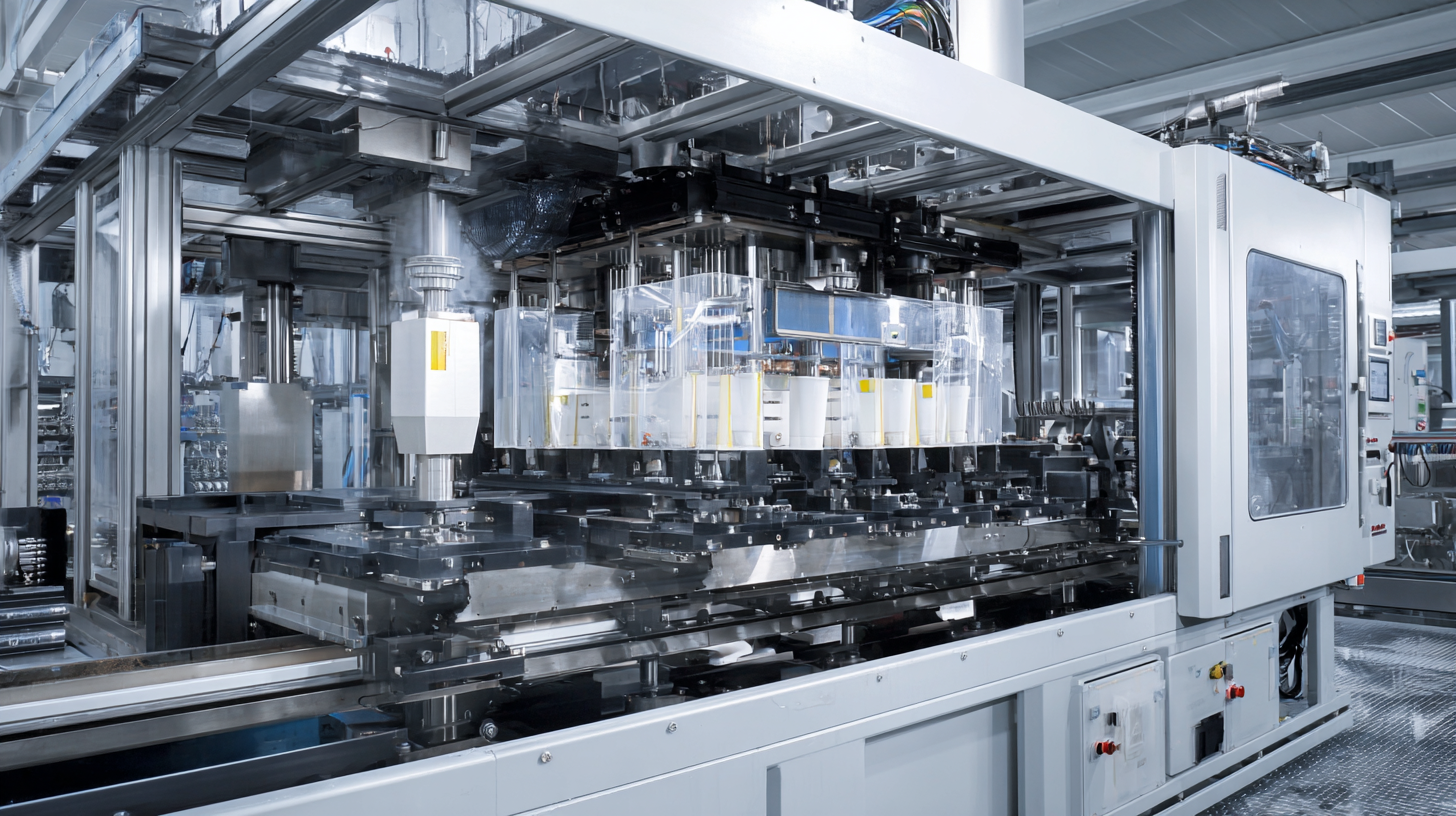
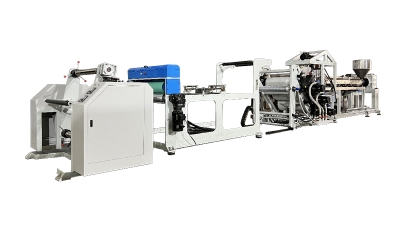
You know, the packaging industry is changing so fast these days, and technology is playing an even bigger role in making manufacturing more efficient. I recently came across some market research showing that the global thermoForming Machines market is expected to hit around $8.2 billion by 2025 — mainly because everyone’s craving more customized packaging, especially in food and beverage sectors. At Ruian Bocheng Machinery Co., Ltd., we’re proud to be at the forefront of all this. With over 15 years of experience under our belts, we’ve focused on creating top-notch, innovative equipment — like our Plastic Cup Thermoforming Machine — so our customers can keep up with market demands while also keeping things sustainable and efficient. As we look ahead to 2025, it’s clear that advances in thermoforming tech will really shape the future of packaging, helping industries move towards smarter, greener solutions.
Emerging Innovations in Thermoforming Technology for Plastic Cup Manufacturing
The plastic Cup Manufacturing scene is kind of at an exciting turning point right now, thanks to some pretty cool innovations in thermoforming tech. According to a report from Grand View Research, the worldwide market for thermoforming is expected to hit around $18.37 billion by 2025, growing at a solid rate of about 6.1% per year. This growth is mostly due to new automated methods that make production faster and cut down on waste—stuff like smarter temperature controls and high-tech robotics are really pushing the process forward. Thanks to these tools, manufacturers can now make top-quality cups much quicker than before.
One major trend that’s shaping the future of plastic cups is the move towards using more sustainable materials in thermoforming. Data from the Plastic Industry Association shows that nearly 70% of consumers prefer eco-friendly packaging options, so companies are stepping up and exploring options like bioplastics and recyclable materials to stay aligned with environmental goals. Additionally, things like water-based inks and adhesives are becoming pretty standard, helping to reduce the environmental impact even further. As the industry keeps evolving to meet what consumers want and with new regulations in place, these tech innovations are likely to boost both efficiency and sustainability—really changing the game for plastic packaging come 2025.
Sustainability Trends Influencing Packaging Solutions in 2025
Looking ahead to 2025, it’s clear that sustainability is really taking center stage in packaging innovation. People are more and more looking for eco-friendly options, which is nudging manufacturers to rethink how they approach packaging. The surge in biodegradable and compostable materials has opened up some pretty exciting possibilities for plastic cup thermoforming machines—now they can make sustainable packaging without sacrificing quality or performance. Brands that put sustainability front and center aren’t just doing right by the planet; they’re also connecting with a more conscious crowd that cares about eco-responsibility.
Here’s a little tip: when you're choosing your packaging materials, go for options that are certified compostable or made with recycled content. Even a small tweak like that can make a big difference for your brand’s green efforts, and it’ll likely strike a chord with your audience.
As things keep evolving in the industry, tech upgrades in thermoforming machines are playing a huge role too. Automating processes and boosting efficiency aren’t just about saving time—they help throw less waste into the mix and make production smoother. Companies that invest in energy-efficient machinery with cool, innovative features will definitely see their sustainability game improve.
Another tip: don’t forget to review your production processes regularly. Spotting areas where you can improve—maybe by embracing lean manufacturing principles—can help you cut down on excess materials and streamline everything. It’s all about working smarter for a greener, more sustainable packaging future.
Key Features to Look for in High-Performance Thermoforming Machines
As the packaging industry keeps evolving, there's a growing demand for high-performance thermoforming machines. One area that's really picking up steam is high melting strength polypropylene, or HMS PP. This material is seeing more and more use in packaging, automotive, construction, and healthcare sectors. In 2023, the global market for HMS PP hit around $1 billion, and experts are expecting it to grow pretty steadily in the coming years.
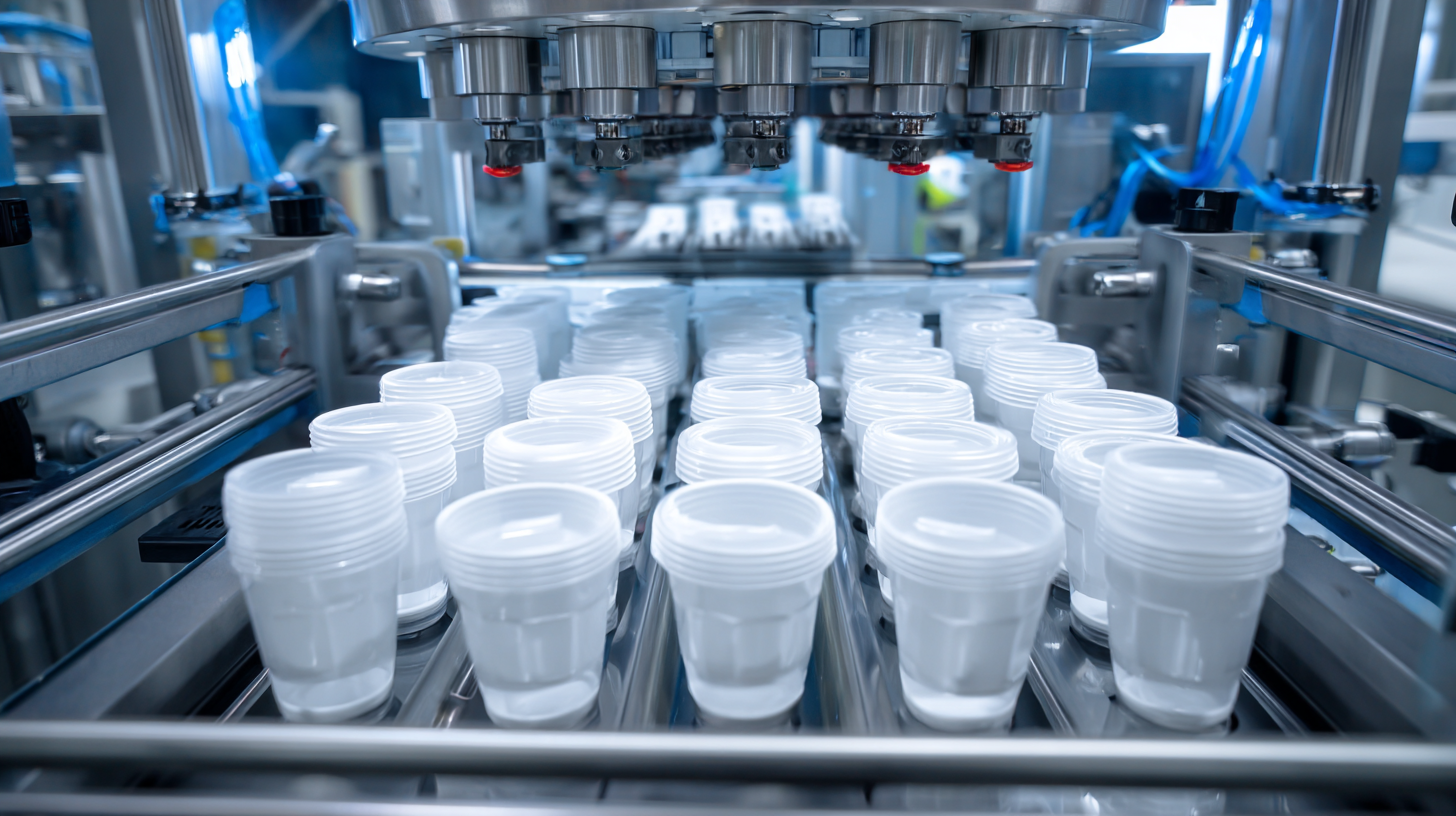
When you're choosing a thermoforming machine, it’s worth paying attention to a few key features that can really boost your productivity and efficiency. For example, having advanced temperature control systems is a game changer — they help ensure even heating, which makes a big difference in the quality of your end product. Plus, machines with modular designs give you more flexibility in your production line, and energy-efficient options can save you a good chunk of money on operating costs.
Pro tip: Make sure the machine you pick can handle different kinds of thermoplastics. That kind of versatility lets you diversify your product range. Also, investing in automation tech can seriously ramp up your output while cutting down on labor costs. Partnering with a trusted manufacturer like Ruian Bocheng Machinery Co., Ltd. can give you access to the latest solutions tailored to your specific needs, helping you stay competitive and successful in this fast-changing packaging game.
Market Insights: Consumer Preferences Shaping Future Plastic Cup Designs
You know, as the market for beverage containers keeps changing, it’s pretty clear that what consumers want really shapes how plastic cups are designed and built. More than ever, people are looking for convenience and eco-friendliness, so brands are having to get creative to meet these new expectations. The disposable cup market is expected to see some serious growth — driven by a shift towards greener materials and designs that make the user experience better. Honestly, it’s an exciting time to see how these products are evolving.
Plus, with instant retail becoming a bigger thing, it's totally changing how we think about and use plastic cups. Whether you’re grabbing a coffee on your way to work or snacking late at night, you want something versatile that fits your lifestyle. Nowadays, people care about more than just the immediate use — they also want products that match their values, like being sustainable and high quality. Because of that, manufacturers really have to rethink their designs, often turning to cool thermoforming techniques that focus on both looking good and working well, now and into 2025 and beyond.
Efficiency and Cost-Effectiveness: Maximizing ROI with Advanced Machinery
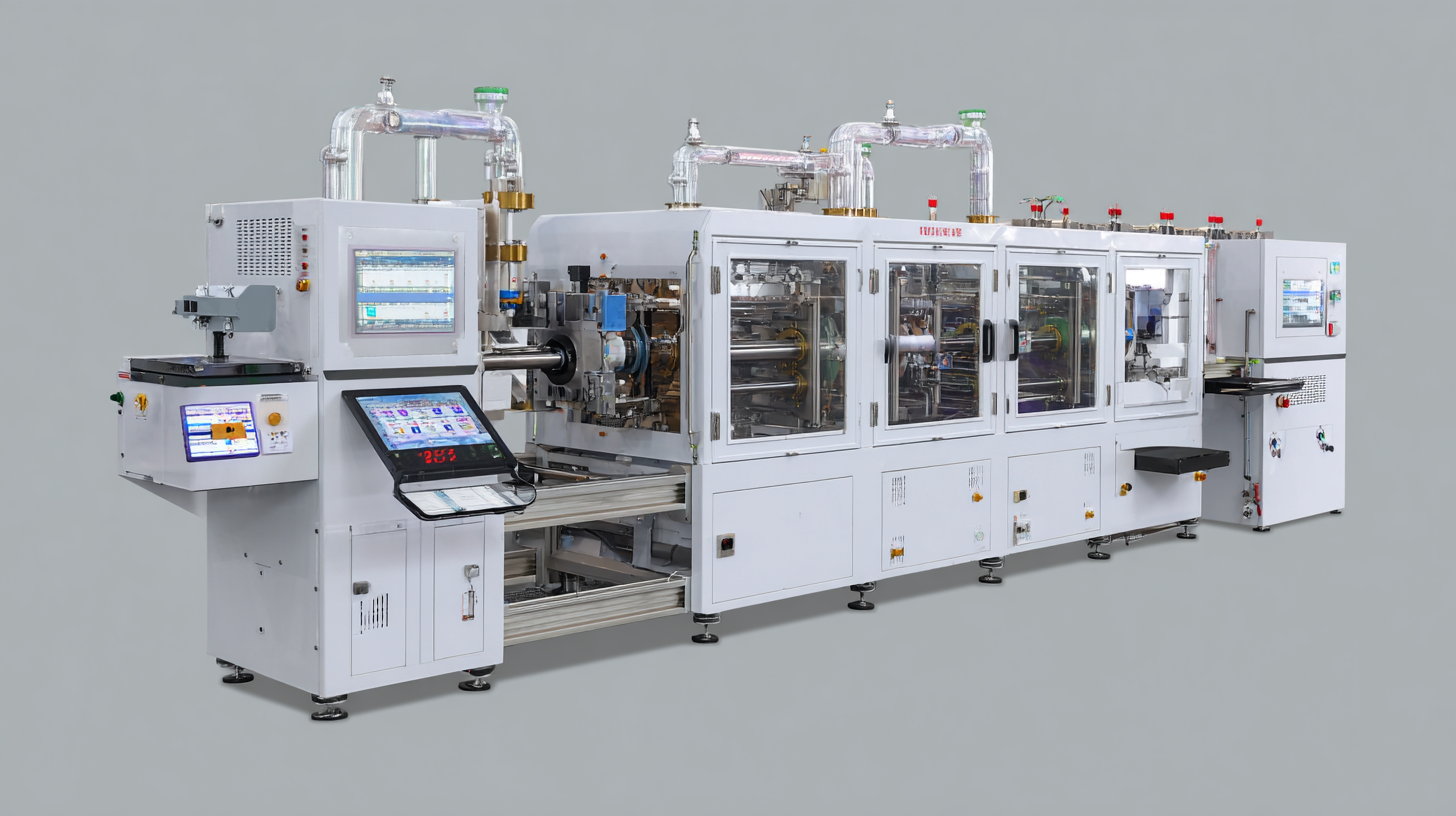
As we look ahead to 2025, it’s clear that efficiency and keeping costs down are pretty much at the top of everyone’s list when choosing advanced thermoforming machinery. By tapping into the latest tech and automation, manufacturers can really boost their production capacity — all while trimming operational expenses. Investing in high-performance plastic cup thermoformers isn’t just about speed; it’s about precision too. They help ensure consistent quality and rapid turnaround, which ultimately means a better bang for your buck. More companies are jumping on these smarter solutions to stay ahead in this fast-changing market, no doubt about it.
And let’s not forget how Industry 4.0 tech has completely changed the game. Now, with the ability to gather and analyze data on the fly, manufacturers can tweak and optimize their processes in real-time. That’s a huge boost to efficiency and cost savings. Plus, it’s great for sustainability goals — cutting down on waste and energy use almost becomes a bonus. As more businesses adopt these innovations, those who get on board early are not just improving their ROI but also positioning themselves as leaders in eco-friendly, cost-effective packaging. It’s an exciting time in the industry for sure!
Automation in Thermoforming: The Future of Smart Packaging Solutions
Looking ahead to 2025, it's pretty clear that the future of packaging is becoming more and more tied to automation, especially when it comes to thermoforming. Industry insiders, like those at Smithers Pira, are predicting that the global thermoforming market will hit around $13 billion by then. This growth is mainly driven by the big demand for packaging that's both efficient and eco-friendly. Automation plays a huge role in this shift—helping manufacturers streamline their processes, cut down on waste, and make sure products are made with pinpoint accuracy. For example, smart thermoforming machines that are connected to the Internet of Things (IoT) can monitor everything in real-time and even predict when they might need maintenance. This means less downtime and smoother operations overall.
So, if you're running a company in this space, it’s definitely worth thinking about how you can incorporate more advanced automation into your work. Here’s a little tip: invest in training your team so they can really get the hang of new tech—that’s key to making the most out of automation. Plus, bringing machine learning into the mix can help your machines learn from past runs, tweaking settings for better results without you having to micromanage every detail. Another thing to consider—take a close look at your current production data and spot where automation could really save you money or boost quality.
And let's not forget—today’s consumers are more conscious than ever about eco-friendly packaging. So, it’s smart to team up with suppliers who share your commitment to sustainability. By combining automation with sustainable materials, you’re not just keeping up with the market, but actually positioning yourself to grow and stay competitive as things keep evolving. It’s an exciting time for the industry—there’s a lot of potential for those who adapt early!
Maximizing Efficiency: A Comprehensive Guide to the BC120-1000 Plastic Sheet Extruder for PP, PE, and PS Production
The BC120-1000 Plastic Sheet Extruder stands out as an essential tool for maximizing efficiency in the production of polypropylene (PP), polyethylene (PE), and polystyrene (PS) sheets. At the core of its advanced engineering is the screw extrusion part, with a robust diameter of 120mm and an impressive length-diameter ratio of 35:1. This configuration is designed for optimal material flow and homogeneity, ensuring that the extruded sheets meet high-quality standards essential for various applications.
One of the notable features of the BC120-1000 is its screw material, crafted from 38CrMoAlA and subjected to nitriding treatment. This process enhances the durability of the screw, with a nitriding layer thickness between 0.4-0.7mm and a surface hardness of HV850-920, making it resistant to wear and tear. The extruder is capable of achieving a maximum screw speed of 90 revolutions per minute, facilitated by a powerful 110kw main motor. Additionally, the heating mechanism includes a total of 70kw from cast aluminum heating rings, ensuring consistent temperatures throughout the barrel, thus optimizing the melting process.
The design of the engine transmission utilizes a high-strength hard gear reducer (ZLYJ250-14-I), which contributes to the machine’s reliability and efficiency. With these specifications, the BC120-1000 not only boosts production rates but also enhances the overall quality of plastic sheets, making it a go-to choice for manufacturers aiming for excellence in their operations.
FAQS
: The growth of the thermoforming market is driven by advancements in automated processes that enhance production efficiency, reduce waste, and enable manufacturers to produce high-quality cups at faster speeds.
Consumer preferences are pushing manufacturers to innovate their designs, focusing on convenience and sustainability, and they are now prioritizing eco-friendly materials and aesthetics that align with consumer values.
Nearly 70% of consumers prefer eco-friendly packaging options, which encourages companies to explore bioplastics and recyclable materials.
Automation plays a crucial role in optimizing production processes, reducing waste, enhancing product precision, and improving operational efficiency through real-time monitoring and predictive maintenance.
Smart thermoforming machines are used for real-time monitoring and predictive maintenance, allowing manufacturers to minimize downtime and enhance production efficiency.
Manufacturers can enhance quality by investing in workforce training on new technologies, incorporating machine learning algorithms for process optimization, and analyzing production metrics to identify areas for cost savings and quality improvements.
Companies should consider integrating advanced automation into their operations and collaborating with suppliers to prioritize sustainable practices in order to meet market expectations.
The global thermoforming market is projected to reach approximately $18.37 billion by 2025, reflecting a growth rate driven by demand for efficient and sustainable packaging solutions.
There is an increasing demand for eco-friendly packaging solutions due to heightened consumer awareness and preferences for sustainability, compelling manufacturers to invest in environmentally friendly materials and production practices.