Lately, the demand for eco-friendly packaging solutions has really taken off, especially in the egg production world. According to the latest reports on the global sustainable packaging market, we're looking at a huge industry, expected to hit around $475 billion by 2027. A big part of this shift is happening because people and regulators are pushing for more environmentally friendly materials—like those used in making egg trays. That’s where Egg Tray Making Machines come into play—they’re key to helping companies produce biodegradable packaging that ticks all the boxes for consumers and regulators alike.
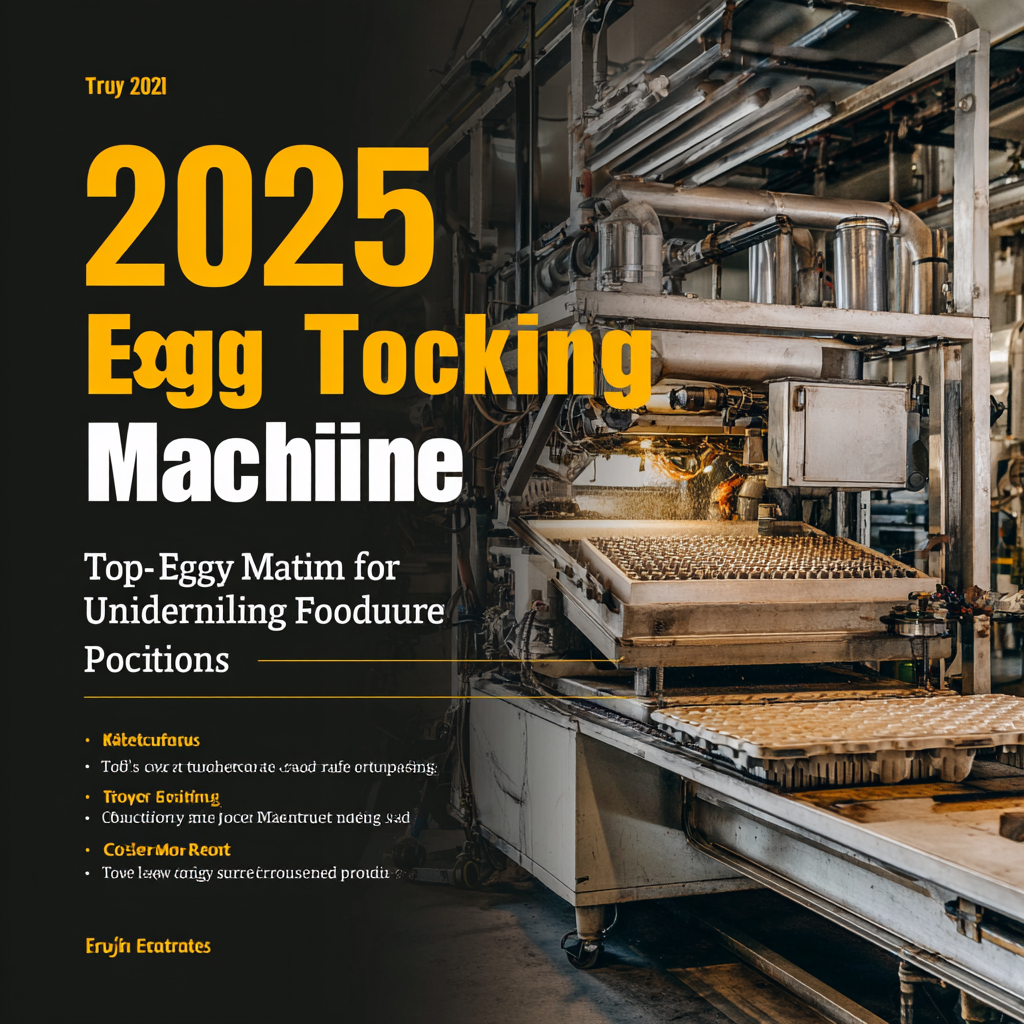
In this guide, we’re gonna take a look at the top 10 egg tray making machines of 2025. We’ll talk about how efficient they are, how much they can produce, and all the latest tech features. Companies like Huaneng Zhangjiagang and Beston Machinery are leading the charge here, packing their machines with cutting-edge features to boost production and cut down on energy use. The newest models aren’t just about higher output—they also help shrink the carbon footprint associated with packaging operations.
As the industry keeps evolving, it’s super important for businesses to stay on top of these trends and the tech behind Egg Tray Making Machines. Investing in the right equipment like this can really help companies meet the growing demand for sustainable packaging, all while streamlining their operations and staying competitive in the market.
Top Features to Consider When Choosing an Egg Tray Making Machine
When selecting an egg tray making machine, there are several key features to consider to ensure efficient production. One crucial factor is the machine’s production capacity, which can range significantly. Data from industry reports indicate that high-capacity machines can produce between 2,000 to 6,000 egg trays per hour, suitable for businesses anticipating high demand.
Additionally, the speed of the drying process is vital; machines equipped with advanced drying systems can reduce total production time and increase output.
Another important feature is the level of automation. Fully automated machines can streamline operations by minimizing manual intervention, thus enhancing productivity and reducing labor costs. As Ruian Bocheng Machinery Co., Ltd. has demonstrated over its 15 years in the industry, investing in high-quality, reliable machinery can lead to long-term gains.
Furthermore, the energy efficiency of the machine is a significant consideration, as energy costs directly impact overall production costs. Choosing a machine that optimizes energy consumption can lead to substantial savings, thereby improving the profit margins for egg tray manufacturers.
Comparison of Manual vs. Automatic Egg Tray Making Machines
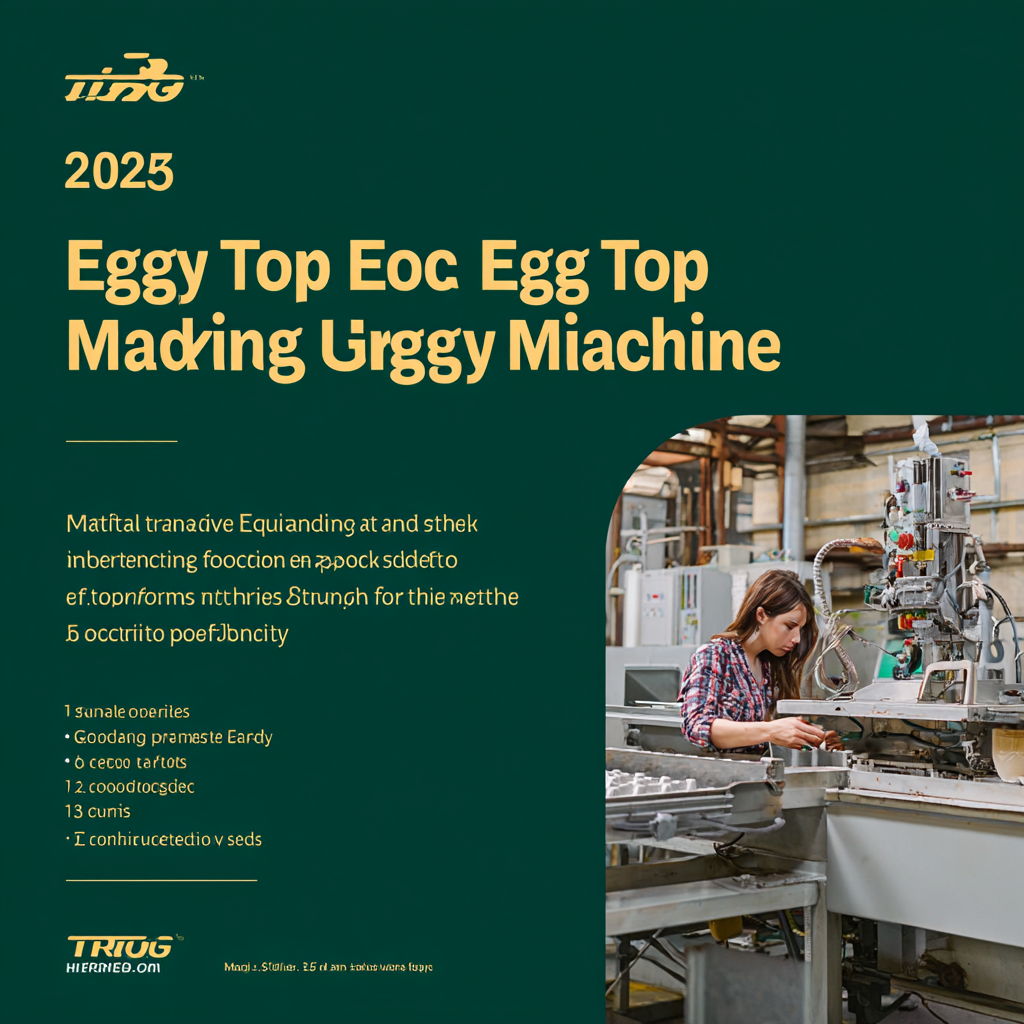
When considering egg tray making machines, the choice between manual and automatic options significantly impacts production efficiency. Manual egg tray making machines require more labor and time, suitable for small-scale operations or artisanal producers. According to data from the Egg Tray Manufacturing Association, manual machines can produce approximately 1,000-1,500 trays per day, depending on the workforce and skill level. This method often leads to inconsistencies in tray quality and design, potentially affecting customer satisfaction.
On the other hand, automatic egg tray making machines offer a more streamlined and efficient production process. With capabilities of producing 3,000 to 6,000 trays per hour, these machines integrate advanced technology for consistent quality and reduced labor costs. Reports indicate that automating production can lower operational costs by up to 30%, making it a viable choice for large-scale enterprises. These machines require a higher initial investment but provide a faster return due to increased output and lower production costs.
**Tip:** When deciding between manual and automatic machines, consider your production scale and budget. If you anticipate growth or have a large client base, investing in an automatic machine may yield better long-term benefits. Additionally, ensure that you factor in maintenance costs and available technical support when making your choice.
Top 10 Egg Tray Making Machines: Specifications and Performance
When considering a reliable egg tray making machine, it's essential to focus on specifications and performance. The top models in the market typically boast high production capacities, robust construction, and energy efficiency, which can significantly enhance your business operations. Factors such as cycle time, output per hour, and the versatility to handle various pulp materials are critical in determining the optimal machine for your needs.
Tips for maximizing efficiency include ensuring proper maintenance of the machinery to prevent downtime and regularly reviewing performance metrics to make informed decisions on operational adjustments. Additionally, selecting a machine that offers automated features can streamline your production process, reducing manual labor costs and increasing overall safety in the workplace.
Exploring user reviews and manufacturer warranties can also provide insights into the reliability and longevity of the machines you’re considering. Investing in a high-quality egg tray making machine will pay off in improved productivity and reduced operational costs, making it a worthwhile consideration for any production facility.
Cost Analysis: Investment versus Return in Egg Tray Production
Investing in egg tray productioncan yield significant returns, particularly when leveraging modern machinery that enhances efficiency. The initial cost of high-quality egg tray making machines may seem daunting, but a detailed cost analysis reveals that these machines can drastically reduce labor costs while increasing output. For example, an automated egg Tray Machine typically ranges from$25,000 to $100,000 depending on its capacity and technology. However, the increased production volume and speed can lead to a break-even point within a couple of years, generating profits thereafter.
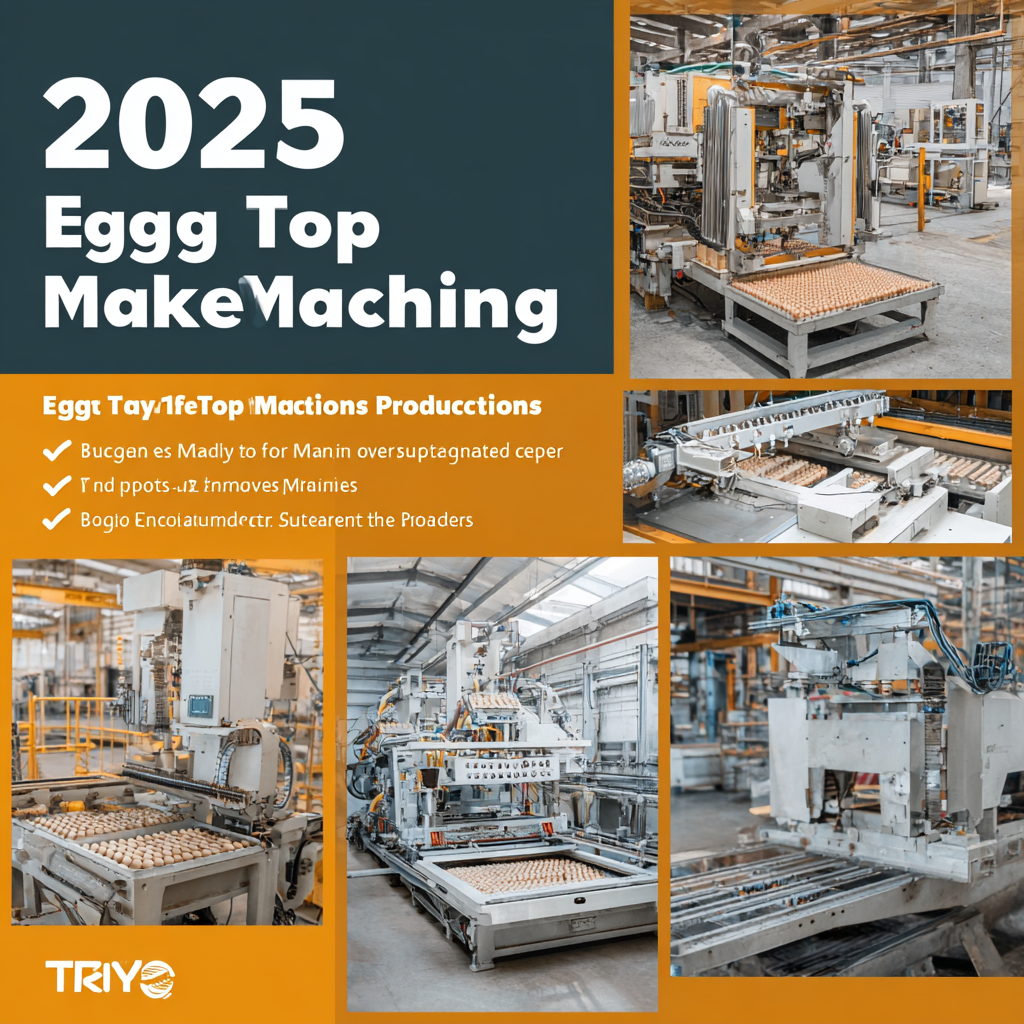
Moreover, the return on investment (ROI) is not solely determined by production efficiency but also by market demand. As sustainability becomes a priority, the demand for eco-friendly packaging like egg trays made from recycled paper pulp is on the rise. Businesses that capitalize on this trend, supported by efficient machinery, can secure a strong position in the market. Thus, when considering investment in egg tray production, analyzing both initial costs and potential returns is crucial for making informed decisions that align with long-term business growth.
Maintenance Tips for Optimal Performance of Egg Tray Machines
Proper maintenance of egg tray making machines is essential to ensure optimal performance and longevity. Regular inspections of the machine components, such as the moulds, drying systems, and the hydraulic pumps, are crucial. By identifying wear and tear early on, operators can prevent costly downtime and repairs. It is advisable to keep a maintenance log to track the condition of each part, which helps in scheduling timely replacements and repairs.
Additionally, lubrication plays a vital role in the maintenance process. Ensuring that all moving parts are well-lubricated reduces friction, minimizes heat generation, and prevents breakdowns. Cleaning air filters and cooling systems also aids in maintaining consistent performance levels. Following the manufacturer's guidelines for cleaning and servicing can enhance the efficiency and productivity of the egg tray machines, ultimately leading to a more successful operation.
2025 Top 10 Egg Tray Making Machines
| Rank | Model | Capacity ( eggs/hour ) | Power ( kW ) | Weight ( kg ) | Material |
| 1 | Model A | 5000 | 15 | 1200 | Steel |
| 2 | Model B | 4000 | 12 | 1100 | Aluminum |
| 3 | Model C | 6000 | 18 | 1300 | Steel |
| 4 | Model D | 3500 | 10 | 1000 | Aluminum |
| 5 | Model E | 4500 | 14 | 1150 | Steel |
| 6 | Model F | 5200 | 16 | 1250 | Steel |
| 7 | Model G | 3600 | 11 | 950 | Aluminum |
| 8 | Model H | 4800 | 15 | 1100 | Steel |
| 9 | Model I | 3300 | 9 | 850 | Aluminum |
| 10 | Model J | 2700 | 8 | 700 | Steel |
Future Trends in Egg Tray Manufacturing Technology
The future of egg tray manufacturing technology is poised for significant advancements that promise enhanced efficiency and sustainability. One of the most notable trends is the increasing integration of automation and robotics into production lines. These innovations are designed to streamline operations, reduce labor costs, and minimize human error, ultimately leading to a higher volume of egg trays produced in less time. Additionally, smart manufacturing solutions, such as Internet of Things (IoT) devices, are enabling real-time monitoring and data collection, which helps manufacturers optimize processes and predict maintenance needs proactively.
Another emerging trend is the use of eco-friendly materials and processes. As environmental considerations become more prominent, manufacturers are exploring biodegradable and recyclable materials for egg tray production. This shift not only aligns with global sustainability goals but also caters to a growing consumer preference for environmentally responsible products. Furthermore, advancements in pulp molding technology are paving the way for more efficient production methods, which allow for better energy consumption and reduced waste, enhancing overall production efficiency. These trends indicate a vibrant future for the egg tray manufacturing industry, driven by innovation and sustainability.
Production Efficiency of Top 10 Egg Tray Making Machines in 2025
This chart illustrates the production efficiency of the top 10 egg tray making machines projected for 2025. Each machine is evaluated based on its output capacity measured in units produced per hour, showcasing the advancements in manufacturing technology.
FAQS
: When selecting an egg tray making machine, consider the production capacity, drying speed, level of automation, energy efficiency, and the machine's overall reliability.
High-capacity egg tray making machines can produce between 2,000 to 6,000 egg trays per hour, making them suitable for businesses anticipating high demand.
The speed of the drying process is crucial; machines with advanced drying systems can reduce total production time and increase output significantly.
Fully automated machines enhance productivity by minimizing manual intervention, reducing labor costs, and streamlining operations.
Energy efficiency is vital as it directly impacts overall production costs; choosing a machine that optimizes energy consumption can lead to substantial savings and improved profit margins.
Future trends include increased automation and robotics, smart manufacturing solutions, eco-friendly materials, and advancements in pulp molding technology.
IoT devices enable real-time monitoring and data collection, allowing manufacturers to optimize processes and proactively predict maintenance needs.
There's a growing consumer preference for environmentally responsible products, prompting manufacturers to explore biodegradable and recyclable materials to align with sustainability goals.
Advancements in pulp molding technology are expected to enhance production efficiency by improving energy consumption and reducing waste.
Conclusion
The article "2025 Top 10 Egg Tray Making Machines: Ultimate Guide for Efficient Production" offers a comprehensive overview of the essential aspects to consider when selecting an Egg Tray Making Machine. It highlights key features such as production capacity, energy efficiency, and ease of operation, guiding potential buyers through the choices between manual and automatic machines. Additionally, the article provides a detailed comparison of the top 10 machines with their specifications and performance metrics, along with a cost analysis to help manufacturers understand the investment versus return in egg tray production.
Furthermore, the piece emphasizes the importance of regular maintenance for optimal performance and explores future trends in egg tray manufacturing technology. As a leader in the plastic industry, Ruian Bocheng Machinery Co., Ltd. is well-equipped to assist clients in finding the right Egg Tray Making Machine that meets their production needs while ensuring long-term efficiency and profitability.